

Kirjailija
E. M. Forster
Kirjat ja teokset yhdessä paikassa: 327 kirjaa, julkaisuja vuosilta 1950-2026, suosituimpien joukossa A Passage to India. Vertaile teosten hintoja ja tarkista saatavuus suomalaisista kirjakaupoista.
Mukana myös kirjoitusasut: E M Forster, E.M. Forster, E. M Forster, E.M Forster
327 kirjaa
Kirjojen julkaisuhaarukka 1950-2026.
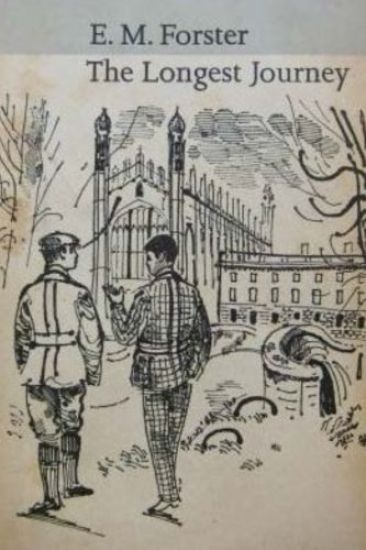
Rickie Elliot, a sensitive and congenitally lame young man, orphaned at the age of 15, escapes from the misery of suburban life and the bullying of public school to Cambridge, where, like Forster himself, he finds sympathetic friends, chief amongst them Ansell, a grocer's son. He has literary aspirations (his short stories, Arcadian pastoral fantasies, are remarkably like Forster's own), but is also attracted by Agnes Pembroke, the conventional but beautiful sister of a schoolmaster friend and protector, and by her handsome, athletic, ex-bully fianc Gerald.

The Machine Stops is a science maserpiece by E.M. Forster. It describes a world in which almost all humans have lost the ability to live on the surface of the Earth. Each individual lives in isolation in a 'cell', with all bodily and spiritual needs met by the omnipotent, global Machine. Most humans welcome this development, as they are skeptical and fearful of first-hand experience. People forget that humans created the Machine, and treat it as a mystical entity whose needs supersede their own. Those who do not accept the deity of the Machine are viewed as 'unmechanical' and are threatened with "Homelessness". Eventually, the Machine apocalyptically collapses, and the civilization of the Machine comes to an end.

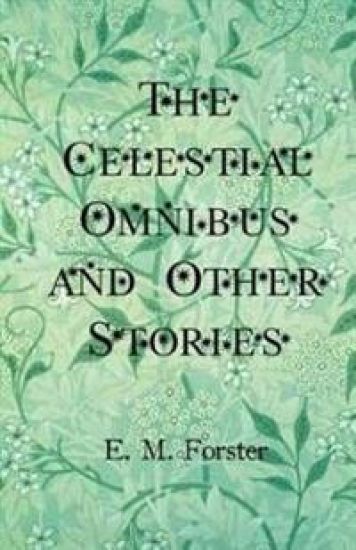
The Celestial Omnibus and Other Stories
E. M. Forster
Createspace Independent Publishing Platform
2015
nidottu
A traveler steps off the road and finds himself in an alternate reality. A sullen boy accidentally summons a spirit. A man gets more than he bargained for when he buys his fianc e a plot of wooded land. These six stories deal with transformations, the truth of the imagination, and the effect of the unseen on ordinary lives. By juxtaposing the Edwardian English with pagan mythology, E.M. Forster created in this collection a work of lasting strangeness and great beauty.
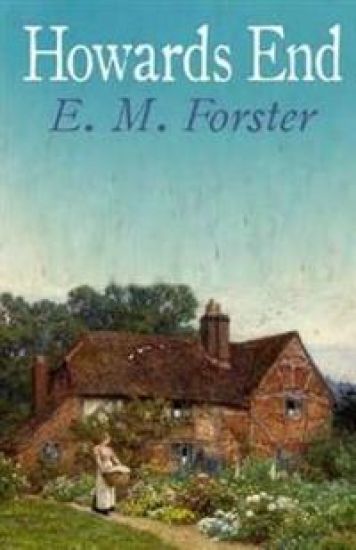


Howards End: Original and Unabridged
E. M. Forster
Createspace Independent Publishing Platform
2014
nidottu
Howards End by E. M. Forster, explores social conventions, codes of conduct, and personal relationships in turn-of-the-century England. Considered by some to be Forster's masterpiece it is included in the list of the most important English-language novels of the 20th century.The story revolves around three families in England at the beginning of the 20th century: the Wilcoxes, rich capitalists with a fortune made in the Colonies; the half-German Schlegel siblings, whose cultural pursuits have much in common with the real-life Bloomsbury Group; and the Basts, an impoverished young couple from a lower-middle-class background. The idealistically motivated, well read, highly intelligent Schlegel sisters seek to help the struggling Basts, wishing at the same time to rid the Wilcoxes of some of their deep-seated social and economic prejudices.

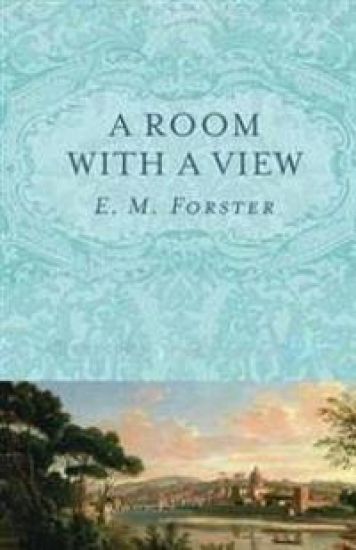
A Room with a View: Original and Unabridged
E. M. Forster
Createspace Independent Publishing Platform
2014
nidottu
A Room with a View a novel by English writer E. M. Forster, about a young woman in the repressed culture of Edwardian era England. Set in Italy and England, the story is both a romance and a critique of English society at the beginning of the 20th century.The main themes of this novel include repressed sexuality, freedom from institutional religion, growing up and true love. A Room with a View is Forster's most romantic and optimistic book.Published in 1908, the novel touches upon many issues surrounding society and politics in early 20th century Edwardian culture. Forster differentiates between conservative and radical thinking, illustrated in part by his contrasts between characters.Lucy personifies the young and impressionable generation emerging during that era, during which women's suffrage would gain strong ground. Forster, manifesting his own hopes for society, ends the book with Lucy having chosen her own path-a free life with the man she loves.Forster also contrasts the symbolic differences between Italy and England. He idealised Italy as a place of freedom and sexual expression. Italy promised raw, natural passion that inspired many Britons at the time who wished to escape the constrictions of English society. While Lucy is in Italy her views of the world change dramatically, and scenes such as the murder in the piazza open her eyes to a world beyond her "protected life in Windy Corner".


A Room with a View: (Starbooks Classics Editions)
E. M. Forster
Createspace Independent Publishing Platform
2014
nidottu
A Room with a View is a 1908 novel by English writer E. M. Forster, about a young woman in the repressed culture of Edwardian era England. Set in Italy and England, the story is both a romance and a critique of English society at the beginning of the 20th century. Merchant-Ivory produced an award-winning film adaptation in 1985. The Modern Library ranked A Room with a View 79th on its list of the 100 best English-language novels of the 20th century (1998). Major themes The main themes of this novel include repressed sexuality, freedom from institutional religion, growing up and true love. It is written in the third person omniscient, though particular passages are often seen "through the eyes" of a specific character. A Room with a View is Forster's most romantic and optimistic book. He utilises many of his trademark techniques, including contrasts between "dynamic" and "static" characters. "Dynamic" characters are those whose ideas and inner-self develop or change in the plot, whereas "static" characters remain constant. Published in 1908, the novel touches upon many issues surrounding society and politics in early 20th century Edwardian culture. Forster differentiates between conservative and radical thinking, illustrated in part by his contrasts between Medieval (Mr. Beebe, Miss Bartlett, Cecil Vyse) and Renaissance characters (Lucy, the Emersons). Lucy personifies the young and impressionable generation emerging during that era, during which women's suffrage would gain strong ground. Forster, manifesting his own hopes for society, ends the book with Lucy having chosen her own path-a free life with the man she loves. The novel could even be called a Bildungsroman, as it follows the development of the protagonist. Binary opposites are played throughout the novel, and often there are mentions of "rooms" and "views". Characters and places associated with "rooms" are, more often than not, conservative and uncreative - Mrs Honeychurch is often pictured in a room, as is Cecil. Characters like Freddy and the Emersons, on the other hand, are often described as being "outside" - representing their open, forward-thinking and modern character types. There is also a constant theme of Light and Dark, where on many occasions, Cecil himself states how Lucy represents light, but Forster responds by stating how Cecil is the Dark as they bathe naked in the Honeychurches' pond, alluding to the fact that they can never be together, and that she really belongs with George. Interestingly, the name Lucy means "light", while the name Cecil means "blind", i.e. one who is "in the dark". Forster also contrasts the symbolic differences between Italy and England. He idealised Italy as a place of freedom and sexual expression. Italy promised raw, natural passion that inspired many Britons at the time who wished to escape the constrictions of English society. While Lucy is in Italy her views of the world change dramatically, and scenes such as the murder in the piazza open her eyes to a world beyond her "protected life in Windy Corner".
The Celestial Omnibus and Other Stories
E. M. Forster
Createspace Independent Publishing Platform
2014
nidottu