Kirjojen hintavertailu. Mukana 12 595 353 kirjaa ja 12 kauppaa.
Kirjailija
Eckehard Scheller
Kirjat ja teokset yhdessä paikassa: 5 kirjaa, julkaisuja vuosilta 2022-2026, suosituimpien joukossa Befestigung und Abdichtung von Fenstern und Türe. Vertaile teosten hintoja ja tarkista saatavuus suomalaisista kirjakaupoista.
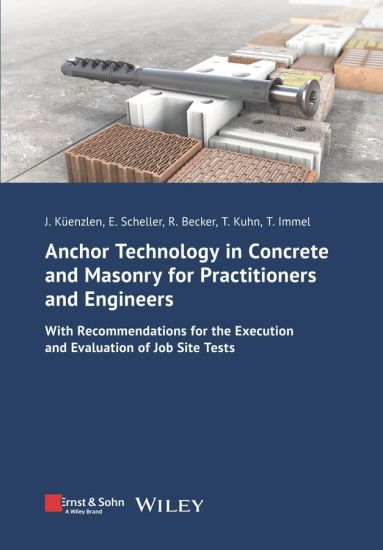
Anchors are everyday items in construction. However, the ever more complex world of building has led to anchor technology being investigated in more and more scientific detail during the course of product development. New anchor systems take into account the increasing diversity of base materials and the required economic efficiency. The scientific studies result in sometimes highly complex engineering design methods that are specified in numerous codes of practice, e.g. EN 1992-4 ?Eurocode 2 ? Design of concrete structures ? Part 4: Design of fastenings for use in concrete?. As a result, it is no longer possible to design an anchor with a simple, quick and easily grasped manual calculation. However, the experience of the authors over the past 20 years shows that in order to gain the acceptance of users, there is an urgent need to translate academic anchor theory into manageable anchor practice for real building sites. It is exactly that gap that this book intends to fill. The focus is on the practical use of anchors and answering practical questions such as: "Which anchor do I need for my fastening task and what do I have to consider?" To answer this question, the authors guide the reader through the seemingly vast number of anchor systems and provide advice for everyday building situations. The theory regarding the structural behaviour is only explained, and then only briefly, when it helps to solve the fastening task and understand the solution to that task. For clarity, the reader is merely referred to the existing codes of practice and other specialist publications that provide summaries. (Package: Print Book + ePDF)
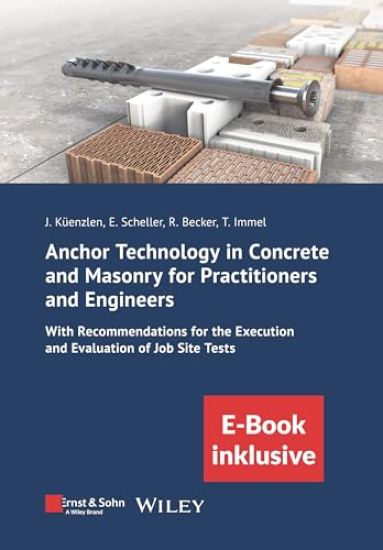
Anchors are everyday items in construction. However, the ever more complex world of building has led to anchor technology being investigated in more and more scientific detail during the course of product development. New anchor systems take into account the increasing diversity of base materials and the required economic efficiency. The scientific studies result in sometimes highly complex engineering design methods that are specified in numerous codes of practice, e.g. EN 1992-4 “Eurocode 2 – Design of concrete structures – Part 4: Design of fastenings for use in concrete”. As a result, it is no longer possible to design an anchor with a simple, quick and easily grasped manual calculation. However, the experience of the authors over the past 20 years shows that in order to gain the acceptance of users, there is an urgent need to translate academic anchor theory into manageable anchor practice for real building sites. It is exactly that gap that this book intends to fill. The focus is on the practical use of anchors and answering practical questions such as: “Which anchor do I need for my fastening task and what do I have to consider?” To answer this question, the authors guide the reader through the seemingly vast number of anchor systems and provide advice for everyday building situations. The theory regarding the structural behaviour is only explained, and then only briefly, when it helps to solve the fastening task and understand the solution to that task. For clarity, the reader is merely referred to the existing codes of practice and other specialist publications that provide summaries. All authors have been working for many years with a focus on anchors and fastenings, some of them in anchor testing laboratory or as trainers. They are members of various working groups and committees in concrete and masonry structures.
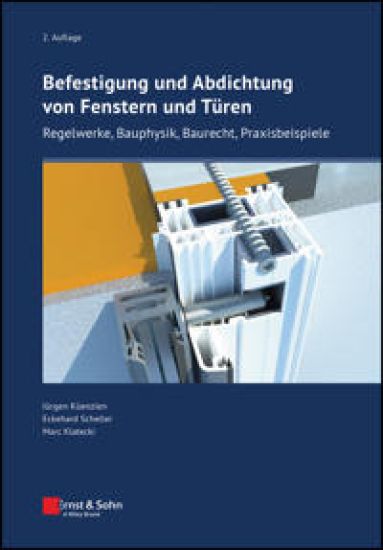
Das Fenster hat sich in den vergangenen drei Jahrzehnten von der einfach verglasten Rahmenkonstruktion zu einem mit Dämmkern versehenen dreifachverglasten energieeffizienten Bauelement entwickelt und somit auch die Anforderungen an die Montage erhöht: moderne Baustoffe mit besseren Wärmedämmeigenschaften und zunehmender Porosität, Fensterprofile mit immer größeren Bautiefen, Zunahme der Glasgewichte durch größere Scheiben und Mehrfachverglasung, neue Normen. Das Fenster ist wesentlicher Teil einer funktionalen Gebäudehülle, die dem Schallschutz, Feuchteschutz und Wärmeschutz Rechnung tragen muss. Erfahrungswerte allein reichen für diese neuen (Befestigungs-) Situationen in der Praxis häufig nicht mehr aus. Dieses Buch enthält detaillierte Erläuterungen über die Anforderungen und die Ausführung von Fensterbefestigungen in verschiedenen Verankerungsgründen und für die Ausbildung der Anschlussfugen. Die aktuell geltenden Regelwerke werden vorgestellt. Ergänzend ist der allgemeine Kontext des derzeit geltenden Baurechts dargestellt, wobei die immer wieder auftauchenden Fragen kurz und prägnant aus Sicht eines Juristen beantwortet werden. Vor allem in der Altbausanierung können Entscheidungen über die Montage oftmals nur vor Ort getroffen werden. Es zeigt sich, dass es keine "Patentrezepte" gibt. Das Buch liefert mit detaillierten Praxisbeispielen und umfangreichen Hintergrundinformationen hilfreiche Argumente für die konstruktive Diskussion zur Lösung von Befestigungs- und Abdichtungsaufgaben bei der Fenster- und Türenmontage. Das Buch ist eine nützliche Hilfestellung bei der individuellen Planung und Ausführung von Bauprojekten und zeigt auf, warum es immer öfter erforderlich ist, bereits in der Planungsphase die Randbedingungen zu betrachten, welche in der Bauphase die sichere und dauerhafte Montage der Fenster gewährleisten können. Dabei schöpfen die Autoren aus ihrem reichen Erfahrungsschatz aus der täglichen Planungs- und Ausführungspraxis sowie aus Versuchen und der Produktentwicklung.