Kirjailija
Eden Phillpotts
Kirjat ja teokset yhdessä paikassa: 234 kirjaa, julkaisuja vuosilta 2004-2026, suosituimpien joukossa Children of men. Vertaile teosten hintoja ja tarkista saatavuus suomalaisista kirjakaupoista.
234 kirjaa
Kirjojen julkaisuhaarukka 2004-2026.

The Virgin in Judgment Book II explores the quiet tension between duty and desire within the boundaries of a rural English community. Against the backdrop of Ringmoor Down's stark beauty, the novel examines how personal aspiration unsettles the traditions that shape daily life. The narrative centers on the often-unseen forces that govern choices - expectations rooted in family, social standing, and unspoken emotional bonds. Through its portrayal of domestic rhythms and interpersonal restraint, the story reveals how deeply people are shaped by environment, upbringing, and communal judgment. The natural world emerges as a counterpoint to human complexity, mirroring both serenity and hidden turbulence. Moments of emotional clarity unfold not through confrontation but through subtle shifts in loyalty, silence, and withheld truths. The work becomes a meditation on conscience and the cost of change when the familiar patterns of life are challenged. Rather than offering resolution, it allows tensions to linger, capturing the fragility of hope when constrained by tradition and the quiet endurance required to live with one's decisions.
The Virgin in Judgment Book I explores the quiet tension between duty and desire within the boundaries of a rural English community. Against the backdrop of Ringmoor Down's stark beauty, the novel examines how personal aspiration unsettles the traditions that shape daily life. The narrative centers on the often-unseen forces that govern choices - expectations rooted in family, social standing, and unspoken emotional bonds. Through its portrayal of domestic rhythms and interpersonal restraint, the story reveals how deeply people are shaped by environment, upbringing, and communal judgment. The natural world emerges as a counterpoint to human complexity, mirroring both serenity and hidden turbulence. Moments of emotional clarity unfold not through confrontation but through subtle shifts in loyalty, silence, and withheld truths. The work becomes a meditation on conscience and the cost of change when the familiar patterns of life are challenged. Rather than offering resolution, it allows tensions to linger, capturing the fragility of hope when constrained by tradition and the quiet endurance required to live with one's decisions.
The Virgin in Judgment Book III explores the quiet tension between duty and desire within the boundaries of a rural English community. Against the backdrop of Ringmoor Down's stark beauty, the novel examines how personal aspiration unsettles the traditions that shape daily life. The narrative centers on the often-unseen forces that govern choices - expectations rooted in family, social standing, and unspoken emotional bonds. Through its portrayal of domestic rhythms and interpersonal restraint, the story reveals how deeply people are shaped by environment, upbringing, and communal judgment. The natural world emerges as a counterpoint to human complexity, mirroring both serenity and hidden turbulence. Moments of emotional clarity unfold not through confrontation but through subtle shifts in loyalty, silence, and withheld truths. The work becomes a meditation on conscience and the cost of change when the familiar patterns of life are challenged. Rather than offering resolution, it allows tensions to linger, capturing the fragility of hope when constrained by tradition and the quiet endurance required to live with one's decisions.

Storm in a teacup explores emotional discontent, introspection, and the subtle erosion of intimacy within a quiet rural marriage. Set in Devon, the novel examines how routine and familiarity can obscure unmet longings and unspoken resentment. Through its focus on a strained marital relationship, it reflects on the inner conflict between duty and the desire for deeper personal connection. The landscape, calm and beautiful, mirrors the restrained turmoil beneath the surface of domestic life. The characters wrestle with expectations imposed by others and by themselves, showing how easily silence and small grievances accumulate. Friendship, too, becomes a delicate space of emotional ambiguity, neither fully comforting nor entirely innocent. The narrative questions how fulfillment is defined - whether by external harmony or internal truth. As the protagonist evaluates personal desires against societal norms, the story becomes a meditation on vulnerability, self-perception, and quiet resistance. The setting, both isolating and serene, enhances the sense that the most profound storms often remain invisible to those outside the teacup.
The three brothers Book III examines how differing values within a family shape identity, ambition, and emotional distance over time. Set in the rugged landscape of Dartmoor, the novel explores how individuals raised in the same environment diverge through their responses to duty, affection, and personal aspiration. The story considers how generational tensions and unspoken expectations influence choices, drawing attention to the quiet pressures of tradition and rural legacy. It reflects on how sibling bonds evolve under the strain of comparison and responsibility, especially when each person follows a distinct path. The backdrop of a slowly changing rural community emphasizes the contrast between permanence and personal transformation. Romantic undercurrents reveal both hope and hesitance, with relationships marked by both closeness and restraint. The novel portrays how landscapes mirror internal landscapes - quiet yet shaped by unseen forces. Ultimately, it asks how unity can persist when individual lives drift apart under the pull of time, love, and unfulfilled expectation.
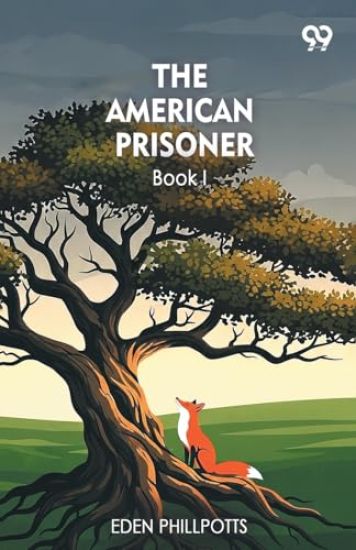
The American Prisoner Book I uses the stark expanse of Dartmoor not just as setting but as a force shaping the lives and struggles of those who dwell upon it. The narrative examines how ambition collides with resistance - of land, of memory, of social expectation. Amid this terrain, the search for personal fulfillment becomes entangled with questions of ownership, labor, and the unspoken codes that govern rural existence. The landscape itself looms as both adversary and silent witness, testing endurance and unmasking illusions of control. Interactions with those rooted in the moor's history evoke mistrust, buried tensions, and the shadows of inherited burdens. The story challenges the boundary between self-reliance and dependence, showing how the past lingers in daily routines and personal choices. Without relying on dramatic events, the novel slowly reveals the cost of inner resolve, the dangers of isolation, and the uncertain rewards of perseverance. It becomes a meditation on effort, legacy, and the quiet, persistent friction between what one wants and what the world will allow.
Lying prophets: A novel examines the tension between individual aspiration and collective tradition within a tightly woven community. Against the backdrop of a coastal village, the novel focuses on how creative longing can clash with the rigid expectations of place and family. Through the lens of artistic pursuit, it considers how personal vision may both illuminate and disrupt familiar lives. The narrative highlights the push and pull between authenticity and acceptance, as individuals navigate desires that challenge established norms. The story reflects on how environment - especially the natural beauty and rhythm of village life - both shapes and limits the imagination. It emphasizes emotional complexity in the face of social constraint, capturing the quiet struggle between self-expression and obligation. The contrast between artistic freedom and the realities of labor and lineage deepens the portrayal of internal and external conflict. Ultimately, the novel offers a meditation on longing, sacrifice, and the unsteady path toward personal truth in a world governed by tradition.
The spinners Book II explores how legacy, labor, and familial division shape identity and aspiration in a small village community. The novel focuses on the aftermath of a patriarch's death, emphasizing the ripple effects of inheritance on relationships and class structure. Through its depiction of a spinning mill and the lives tied to it, the narrative examines how economic power influences personal worth, especially when control over livelihood becomes a point of contention between siblings. Set in Bridetown, the story delves into the emotional dislocation that follows exclusion, revealing how resentment and ambition emerge when trust and belonging are withheld. The social fabric of the village underscores how individual choices are magnified in close-knit environments, where status, work, and loyalty are intertwined. The contrast between obligation and independence is highlighted through each brother's path, drawing out tensions between tradition and self-determination. With precise attention to daily life and quiet conflict, the novel reflects on how values are tested when roles shift and power changes hands.
The spinners Book I explores how legacy, labor, and familial division shape identity and aspiration in a small village community. The novel focuses on the aftermath of a patriarch's death, emphasizing the ripple effects of inheritance on relationships and class structure. Through its depiction of a spinning mill and the lives tied to it, the narrative examines how economic power influences personal worth, especially when control over livelihood becomes a point of contention between siblings. Set in Bridetown, the story delves into the emotional dislocation that follows exclusion, revealing how resentment and ambition emerge when trust and belonging are withheld. The social fabric of the village underscores how individual choices are magnified in close-knit environments, where status, work, and loyalty are intertwined. The contrast between obligation and independence is highlighted through each brother's path, drawing out tensions between tradition and self-determination. With precise attention to daily life and quiet conflict, the novel reflects on how values are tested when roles shift and power changes hands.
The American Prisoner Book IV uses the stark expanse of Dartmoor not just as setting but as a force shaping the lives and struggles of those who dwell upon it. The narrative examines how ambition collides with resistance - of land, of memory, of social expectation. Amid this terrain, the search for personal fulfillment becomes entangled with questions of ownership, labor, and the unspoken codes that govern rural existence. The landscape itself looms as both adversary and silent witness, testing endurance and unmasking illusions of control. Interactions with those rooted in the moor's history evoke mistrust, buried tensions, and the shadows of inherited burdens. The story challenges the boundary between self-reliance and dependence, showing how the past lingers in daily routines and personal choices. Without relying on dramatic events, the novel slowly reveals the cost of inner resolve, the dangers of isolation, and the uncertain rewards of perseverance. It becomes a meditation on effort, legacy, and the quiet, persistent friction between what one wants and what the world will allow.
The American Prisoner Book II uses the stark expanse of Dartmoor not just as setting but as a force shaping the lives and struggles of those who dwell upon it. The narrative examines how ambition collides with resistance - of land, of memory, of social expectation. Amid this terrain, the search for personal fulfillment becomes entangled with questions of ownership, labor, and the unspoken codes that govern rural existence. The landscape itself looms as both adversary and silent witness, testing endurance and unmasking illusions of control. Interactions with those rooted in the moor's history evoke mistrust, buried tensions, and the shadows of inherited burdens. The story challenges the boundary between self-reliance and dependence, showing how the past lingers in daily routines and personal choices. Without relying on dramatic events, the novel slowly reveals the cost of inner resolve, the dangers of isolation, and the uncertain rewards of perseverance. It becomes a meditation on effort, legacy, and the quiet, persistent friction between what one wants and what the world will allow.
Knock at a Venture is set in the rugged beauty of the Devonshire Moorlands, where the lives of rural people unfold against a backdrop of hard work and natural splendor. The story follows a thatcher more interested in leisure than labor, whose charm and strength win the admiration of a spirited young woman. Their bond grows from childhood friendship into a romantic attachment, but challenges arise as his reluctance to pursue ambition places strain on the relationship. The local farming community, with its traditions and social hierarchies, further complicates their path, especially when the involvement of another suitor intensifies the tension. The novel vividly portrays not only the struggles of personal desire and devotion but also the realities of country life, where love and livelihood are inseparably bound. With its blend of romance, rural atmosphere, and the stark demands of Moorland living, the narrative balances emotional conflict with a richly detailed sense of place, offering a compelling portrayal of human resilience and commitment.
The three brothers Book II examines how differing values within a family shape identity, ambition, and emotional distance over time. Set in the rugged landscape of Dartmoor, the novel explores how individuals raised in the same environment diverge through their responses to duty, affection, and personal aspiration. The story considers how generational tensions and unspoken expectations influence choices, drawing attention to the quiet pressures of tradition and rural legacy. It reflects on how sibling bonds evolve under the strain of comparison and responsibility, especially when each person follows a distinct path. The backdrop of a slowly changing rural community emphasizes the contrast between permanence and personal transformation. Romantic undercurrents reveal both hope and hesitance, with relationships marked by both closeness and restraint. The novel portrays how landscapes mirror internal landscapes - quiet yet shaped by unseen forces. Ultimately, it asks how unity can persist when individual lives drift apart under the pull of time, love, and unfulfilled expectation.
The torch and other tales presents a layered exploration of morality, perception, and community judgment through a series of character-driven narratives. It focuses on the subtle fractures that appear when personal loyalty is tested by collective suspicion. The collection highlights how generosity and charm can mask deeper uncertainties, prompting reflection on whether appearances should outweigh truth. Set in a rural environment where everyone's story is intertwined, the tales uncover the tension between individual affection and social expectation. Central to these stories is the idea that even the kindest gestures can carry hidden motives, and that admiration, especially through the eyes of youth, is vulnerable to disillusionment. As rumors circulate and trust erodes, the stories reveal how tightly communities hold onto their judgments, and how difficult redemption becomes once doubt has taken root. The narratives combine warmth with unease, allowing moments of joy and connection to coexist with uncertainty and moral reckoning, crafting a portrait of human relationships both fragile and resilient.
The American Prisoner Book III uses the stark expanse of Dartmoor not just as setting but as a force shaping the lives and struggles of those who dwell upon it. The narrative examines how ambition collides with resistance - of land, of memory, of social expectation. Amid this terrain, the search for personal fulfillment becomes entangled with questions of ownership, labor, and the unspoken codes that govern rural existence. The landscape itself looms as both adversary and silent witness, testing endurance and unmasking illusions of control. Interactions with those rooted in the moor's history evoke mistrust, buried tensions, and the shadows of inherited burdens. The story challenges the boundary between self-reliance and dependence, showing how the past lingers in daily routines and personal choices. Without relying on dramatic events, the novel slowly reveals the cost of inner resolve, the dangers of isolation, and the uncertain rewards of perseverance. It becomes a meditation on effort, legacy, and the quiet, persistent friction between what one wants and what the world will allow.
The three brothers Book I examines how differing values within a family shape identity, ambition, and emotional distance over time. Set in the rugged landscape of Dartmoor, the novel explores how individuals raised in the same environment diverge through their responses to duty, affection, and personal aspiration. The story considers how generational tensions and unspoken expectations influence choices, drawing attention to the quiet pressures of tradition and rural legacy. It reflects on how sibling bonds evolve under the strain of comparison and responsibility, especially when each person follows a distinct path. The backdrop of a slowly changing rural community emphasizes the contrast between permanence and personal transformation. Romantic undercurrents reveal both hope and hesitance, with relationships marked by both closeness and restraint. The novel portrays how landscapes mirror internal landscapes - quiet yet shaped by unseen forces. Ultimately, it asks how unity can persist when individual lives drift apart under the pull of time, love, and unfulfilled expectation.