Kirjojen hintavertailu. Mukana 12 503 325 kirjaa ja 12 kauppaa.

Kirjailija

Edward G. Seidensticker

Kirjat ja teokset yhdessä paikassa: 4 kirjaa, julkaisuja vuosilta 2002-2025, suosituimpien joukossa Japanese Proverbs. Vertaile teosten hintoja ja tarkista saatavuus suomalaisista kirjakaupoista.

4 kirjaa

Kirjojen julkaisuhaarukka 2002-2025.

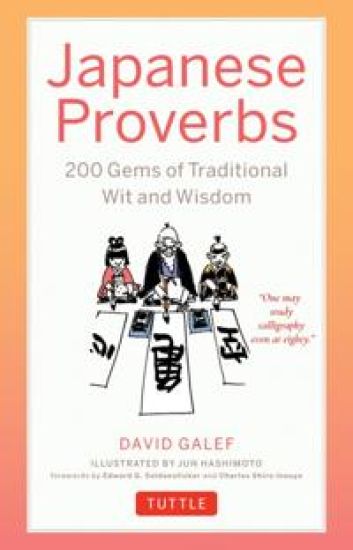
Japanese Proverbs

Japanese Proverbs

David Galef; Edward G. Seidensticker; Charles Shiro Inouye

TUTTLE PUBLISHING
2025
nidottu
"Destroy a nation, but its mountains and rivers remain." — Japanese ProverbThis is a collection of 200 Japanese proverbs with illustrations and explanations for each saying.Japanese Proverbs: 200 Gems of Traditional Wit and Wisdom is a delightfully illustrated compilation of traditional Japanese sayings and maxims. Some of the classic Japanese quotes and quotations, like "Fall down seven times, get up eight," capture the dogged perseverance of the Japanese heart. Others, such as "A red lacquer dish needs no decoration" illuminate both a universal truth and Japan's unique, aesthetic traditions. Japanese Proverbs has proverbs of great cultural significance as well as proverbs on matters of daily life and customs.Pleasing to expert and new comer alike, the 200 traditional proverbs in this unique collection are presented in Japanese calligraphy form, along with direct English translations. Similar proverbs are given from English, and the sumi-e style ink drawings are a delight in their own right.Amateurs and Japanese language enthusiasts alike will speak Japanese with the verve and nuance of a native when they use these apt and witty expressions.

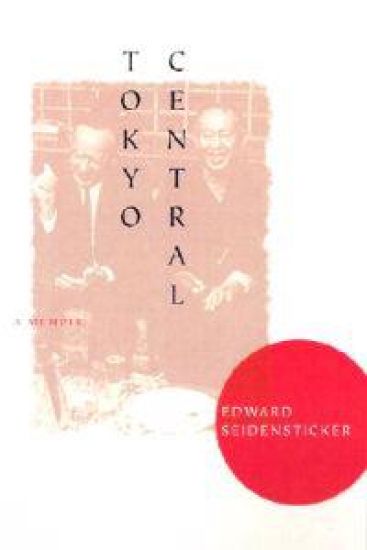
Tokyo Central

Tokyo Central

Edward G. Seidensticker

University of Washington Press
2015
sidottu
This memoir is by a translator who has introduced two generations of English-language audiences to the masterpieces of classical and modern Japanese literature. His patient rendering of novels ranging from the 11th-century Tale of Genji to works of such modern masters as Junichiro Tanizaki, Yukio Mishima and Nobel-Prize winner Yasunari Kawabata has earned him the National Book Award as well as the Order of the Rising Sun, Japan's highest honour for foreigners.
Japanese Proverbs

Japanese Proverbs

David Galef; Edward G. Seidensticker

Tuttle Publishing
2012
nidottu
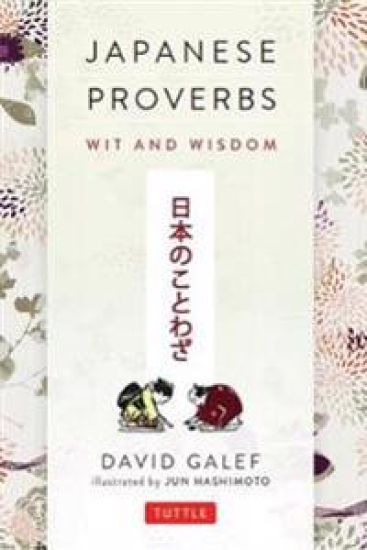
"Destroy a nation, but its mountains and rivers remain."—Japanese proverbThis is a collection of 200 Japanese proverbs with illustrations and explanations for each saying.Japanese Proverbs: Wit and Wisdom is a delightfully illustrated compilation of traditional Japanese sayings and maxims. Some of the classic Japanese quotes and quotations, like "Fall down seven times, get up eight," capture the dogged perseverance of the Japanese heart. Others, such as "A red lacquer dish needs no decoration" illuminate both a universal truth and Japan's unique, aesthetic traditions. Japanese Proverbs: Wit and Wisdom has proverbs of great cultural significance as well as proverbs on matters of daily life and customs. Pleasing to expert and new-comer alike, the 200 traditional proverbs in this unique collection are presented in Japanese calligraphy form, along with direct English translations. Similar proverbs are given from English, and the sumi-e style ink drawings are a delight in their own right. Amateurs and Japanese language enthusiasts alike will speak Japanese with the verve and nuance of a native when they use these apt and witty expressions.
Tokyo Central

Tokyo Central

Edward G. Seidensticker

University of Washington Press
2002
sidottu
Edward Seidensticker's translations have introduced two generations of English-language audiences to the masterpieces of classical and modern Japanese literature. His patient rendering of novels ranging from the eleventh-century Tale of Genji to works of such modern masters as Junichiro Tanizaki, Yukio Mishima, and Nobel Prize winner Yasunari Kawabata has earned him the National Book Award as well as the Order of the Rising Sun, Japan's highest honour for foreigners. In this colourful, sometimes prickly, memoir, Seidensticker tells of his introduction to Japan at the Navy Japanese Language School in 1942, at the age of 21. He recounts his formative experiences as a young diplomat during the Occupation, his early impressions of the Japanese literary scene and its stormy PEN session meetings, his encounters with American luminaries such as Arthur Koestler and Edwin Reischauer, and his gradual immersion in Tokyo life. He offers vivid glimpses of Japan's intellectual and political elite as it moved from the ashes of World War II through Cold War political storms in the 1950s and 1960s, when strikes and radical politics abounded, through the 1970s, when the nation's strategic and cultural alliances hardened with the United States and Europe and Japanese politics turned decisively more conservative. Tokyo Central illuminates the translator's challenge in approaching classical and modern Japanese culture, and gives singular insight into the writing and personalities of many leading Japanese novelists.