Kirjojen hintavertailu. Mukana 12 152 606 kirjaa ja 12 kauppaa.

Kirjailija

Edward P. Clapp

Kirjat ja teokset yhdessä paikassa: 6 kirjaa, julkaisuja vuosilta 2010-2024, suosituimpien joukossa The Participatory Creativity Guide for Educators. Vertaile teosten hintoja ja tarkista saatavuus suomalaisista kirjakaupoista.

6 kirjaa

Kirjojen julkaisuhaarukka 2010-2024.

The Participatory Creativity Guide for Educators

The Participatory Creativity Guide for Educators

Edward P. Clapp; Julie Rains

TAYLOR FRANCIS LTD
2024
sidottu
The Participatory Creativity Guide for Educators debunks our outdated cultural understanding that some people are creative and others are not. Offering an embracing approach to creativity that encompasses invention and innovation, this practical guide reframes creativity as a mode of experience that all young people and adults have the opportunity to participate in.Bringing the principles of participatory creativity into the classroom, this book helps educators reframe invention and innovation, democratize the creative process, and leverage the knowledge, skills, background experiences, and cultural perspectives that students bring with them every day. Key concepts are illustrated through rich vignettes and pictures of practice as chapters walk you through the what, why, and how of incorporating participatory creativity into your teaching and learning environment.Designed for educators in a vast array of settings (including schools, community centers, museums, afterschool programs, and grandpa’s backyard workshop), this book is key reading for any educator looking to use creativity to strengthen and expand their teaching and learning.
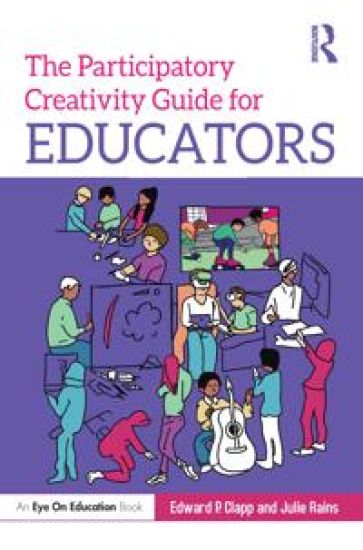
The Participatory Creativity Guide for Educators

The Participatory Creativity Guide for Educators

Edward P. Clapp; Julie Rains

TAYLOR FRANCIS LTD
2024
nidottu
The Participatory Creativity Guide for Educators debunks our outdated cultural understanding that some people are creative and others are not. Offering an embracing approach to creativity that encompasses invention and innovation, this practical guide reframes creativity as a mode of experience that all young people and adults have the opportunity to participate in.Bringing the principles of participatory creativity into the classroom, this book helps educators reframe invention and innovation, democratize the creative process, and leverage the knowledge, skills, background experiences, and cultural perspectives that students bring with them every day. Key concepts are illustrated through rich vignettes and pictures of practice as chapters walk you through the what, why, and how of incorporating participatory creativity into your teaching and learning environment.Designed for educators in a vast array of settings (including schools, community centers, museums, afterschool programs, and grandpa’s backyard workshop), this book is key reading for any educator looking to use creativity to strengthen and expand their teaching and learning.
Maker-Centered Learning

Maker-Centered Learning

Edward P. Clapp; Jessica Ross; Jennifer O. Ryan; Shari Tishman

Jossey-Bass Inc.,U.S.
2016
nidottu
The Agency by Design guide to implementing maker-centered teaching and learning Maker-Centered Learning provides both a theoretical framework and practical resources for the educators, curriculum developers, librarians, administrators, and parents navigating this burgeoning field. Written by the expert team from the Agency by Design initiative at Harvard's Project Zero, this book Identifies a set of educational practices and ideas that define maker-centered learning, and introduces the focal concepts of maker empowerment and sensitivity to design.Shares cutting edge research that provides evidence of the benefits of maker-centered learning for students and education as a whole.Presents a clear Project Zero-based framework for maker-centered teaching and learningIncludes valuable educator resources that can be applied in a variety of design and maker-centered learning environmentsDescribes unique thinking routines that foster the primary maker capacities of looking closely, exploring complexity, and finding opportunity. A surge of voices from government, industry, and education have argued that, in order to equip the next generation for life and work in the decades ahead, it is vital to support maker-centered learning in various educational environments. Maker-Centered Learning provides insight into what that means, and offers tools and knowledge that can be applied anywhere that learning takes place.
Participatory Creativity

Participatory Creativity

Edward P. Clapp

Routledge
2016
nidottu
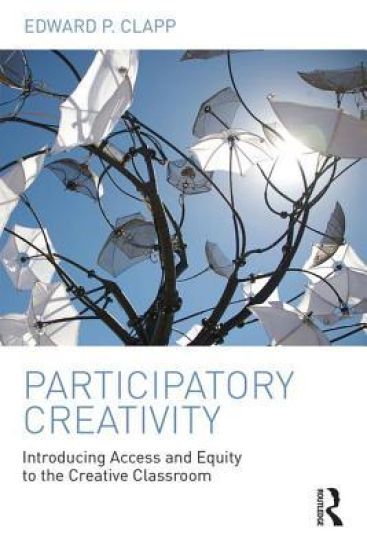
Participatory Creativity: Introducing Access and Equity to the Creative Classroom presents a systems-based approach to examining creativity in education that aims to make participating in invention and innovation accessible to all students. Moving beyond the gifted-versus-ungifted debate present in many of today’s classrooms, the book’s inclusive framework situates creativity as a participatory and socially distributed process. The core principle of the book is that individuals are not creative, ideas are creative, and that there are multiple ways for a variety of individuals to participate in the development of creative ideas. This dynamic reframing of invention and innovation provides strategies for teachers, curriculum designers, policymakers, researchers, and others who seek to develop a more equitable approach towards establishing creative learning experiences in various educational settings.
Participatory Creativity

Participatory Creativity

Edward P. Clapp

Routledge
2016
sidottu
Participatory Creativity: Introducing Access and Equity to the Creative Classroom presents a systems-based approach to examining creativity in education that aims to make participating in invention and innovation accessible to all students. Moving beyond the gifted-versus-ungifted debate present in many of today’s classrooms, the book’s inclusive framework situates creativity as a participatory and socially distributed process. The core principle of the book is that individuals are not creative, ideas are creative, and that there are multiple ways for a variety of individuals to participate in the development of creative ideas. This dynamic reframing of invention and innovation provides strategies for teachers, curriculum designers, policymakers, researchers, and others who seek to develop a more equitable approach towards establishing creative learning experiences in various educational settings.