Kirjojen hintavertailu. Mukana 12 508 350 kirjaa ja 12 kauppaa.

Kirjailija

Edward Royce

Kirjat ja teokset yhdessä paikassa: 5 kirjaa, julkaisuja vuosilta 2015-2022, suosituimpien joukossa Poverty and Power. Vertaile teosten hintoja ja tarkista saatavuus suomalaisista kirjakaupoista.

5 kirjaa

Kirjojen julkaisuhaarukka 2015-2022.

Poverty and Power

Poverty and Power

Edward Royce

ROWMAN LITTLEFIELD
2022
nidottu
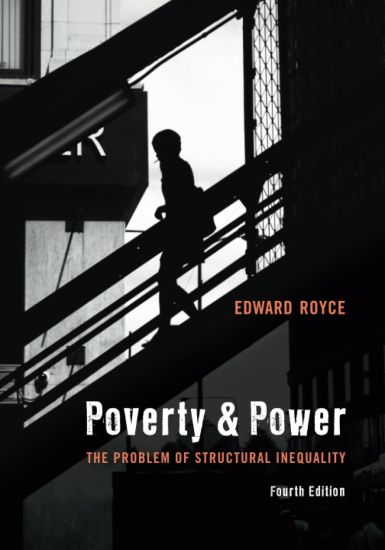
Poverty is serious problem in the United States, more so than commonly imagined, and more so in this country than in other industrialized nations. Most Americans believe poverty is largely the result of people being deficient in intelligence, determination, education, and other personal traits, but poverty is a structural problem, resulting from failings of our political, economic, cultural, and social systems. Poverty and Power, Fourth Edition examines the social forces and institutional problems that contribute to growing inequality and the persistence of poverty in the United States. The author argues that a renewed war on poverty can be successful, but only through a popular movement to bring about significant change in the workings of American economic, political, and cultural institutions. New to the Fourth Edition: New segment on the influence of job seekers' physical appearance on hiring decisions emphasizes that success is not simply a matter of education, skills, and training New data on the "Job Availability Problem" explains in detail why the monthly headline unemployment number is misleading New content on how corporations have become increasingly assertive political players explores the dramatic increase in corporate lobbying efforts and spending on corporate political action committees; the rise of billionaire political activists, and the creation of a powerful conservative political infrastructure in the states. Greater attention to neighborhoods marked by "extreme poverty" and to racially segregated and resource-deprived Black communities covers the extraordinary hardships experienced by the residents of these areas, while a new section on "The Geographical Isolation of the Affluent" discusses how isolation affects wealthy people's beliefs and perceptions about poverty in the United States and what policies they deem acceptable.
Poverty and Power

Poverty and Power

Edward Royce

ROWMAN LITTLEFIELD
2022
sidottu
Many Americans believe that people are poor because of individual failings, such as lack of skills or work ethic. Poverty and Power challenges this view, showing that American poverty instead is a structural problem, resulting from failings of our political, economic, cultural, and social systems. The book examines the social forces and institutional problems that contribute to growing inequality and the persistence of poverty in the United States. Throughout the book, the author compares individualistic and structural approaches and makes a case that a structural perspective on American poverty is the best explanation of the persistent inequalities and disparities that hold back progress and advancement for the country.The fourth edition features new material throughout, including discussions of how poverty intersects with race, ethnicity, and gender; the divisive, growing political and cultural polarization in the country and its impacts on structural poverty; the exacerbating effects of the COVID-19 pandemic on structural poverty; and the role of social justice movements such as Black Lives Matter and the backlash of white nationalism as they relate to structural poverty.
Poverty and Power

Poverty and Power

Edward Royce

Rowman Littlefield
2018
nidottu
Poverty and Power examines structural inequality in American society with a focus on the issue of poverty. The third edition features new material throughout, including discussions of the 2016 election and current political climate, the geography of poverty, the weakening of the safety net, the declining quality of employment opportunities, and more. Many Americans believe that people are poor because of individual failings, such as lack of skills or work ethic. Poverty and Power challenges this view, showing that American poverty instead is a structural problem, resulting from failings of our political, economic, cultural, and social systems. The book examines the social forces and institutional problems that contribute to growing inequality and the persistence of poverty in the United States. Throughout the book, the author compares individualistic and structural approaches and makes a case for the superiority of a structural perspective on American poverty.
Classical Social Theory and Modern Society

Classical Social Theory and Modern Society

Edward Royce

Rowman Littlefield
2015
nidottu
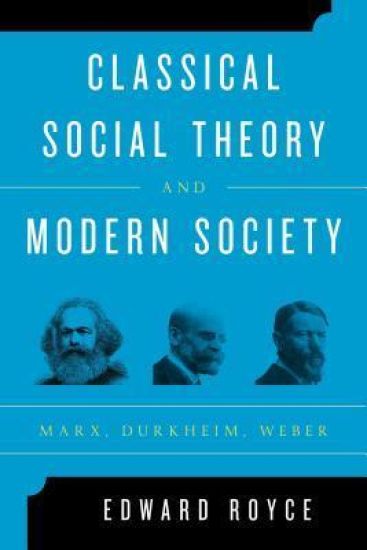
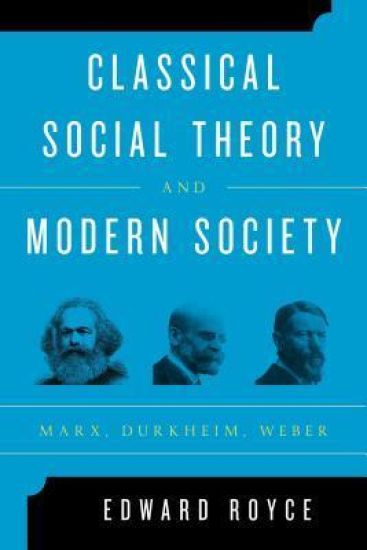
Karl Marx, Émile Durkheim, and Max Weber are indispensable for understanding the sociological enterprise. They are among the chief founders of the discipline and among the foremost theorists of modernity, and their work can stimulate readers to reflect on their own identities and worldviews. Classical Social Theory and Modern Society introduces students to these three thinkers and shows their continued relevance today. The first chapter sets the stage by situating the work of Marx, Durkheim, and Weber in the context of three modernizing revolutions: the Enlightenment, the French Revolution of 1789, and the Industrial Revolution. Three overview chapters follow that summarize the key ideas of each thinker, focusing on their contributions to the development of sociology and their conceptions of modern society. The last portion of the book explores the thinking of Marx, Durkheim, and Weber on four themes—the pathologies of modern society, the predicament of the modern individual, the state and democracy, and socialism versus capitalism. These thematic chapters place Marx, Durkheim, and Weber in dialogue with one another, offering students the opportunity to wrestle with conflicting ideas on issues that are still significant today. Classical sociology is essential to the teaching of sociology and also an invaluable tool in the education of citizens.
Classical Social Theory and Modern Society

Classical Social Theory and Modern Society

Edward Royce

Rowman Littlefield
2015
sidottu
Karl Marx, Émile Durkheim, and Max Weber are indispensable for understanding the sociological enterprise. They are among the chief founders of the discipline and among the foremost theorists of modernity, and their work can stimulate readers to reflect on their own identities and worldviews. Classical Social Theory and Modern Society introduces students to these three thinkers and shows their continued relevance today. The first chapter sets the stage by situating the work of Marx, Durkheim, and Weber in the context of three modernizing revolutions: the Enlightenment, the French Revolution of 1789, and the Industrial Revolution. Three overview chapters follow that summarize the key ideas of each thinker, focusing on their contributions to the development of sociology and their conceptions of modern society. The last portion of the book explores the thinking of Marx, Durkheim, and Weber on four themes—the pathologies of modern society, the predicament of the modern individual, the state and democracy, and socialism versus capitalism. These thematic chapters place Marx, Durkheim, and Weber in dialogue with one another, offering students the opportunity to wrestle with conflicting ideas on issues that are still significant today. Classical sociology is essential to the teaching of sociology and also an invaluable tool in the education of citizens.