
Kirjojen hintavertailu. Mukana 12 595 353 kirjaa ja 12 kauppaa.

Kirjailija

Edward Zamble

Kirjat ja teokset yhdessä paikassa: 3 kirjaa, julkaisuja vuosilta 1997-2013, suosituimpien joukossa Coping, Behavior, and Adaptation in Prison Inmates. Vertaile teosten hintoja ja tarkista saatavuus suomalaisista kirjakaupoista.

3 kirjaa

Kirjojen julkaisuhaarukka 1997-2013.

Coping, Behavior, and Adaptation in Prison Inmates

Coping, Behavior, and Adaptation in Prison Inmates

Edward Zamble; Frank J. Porporino

Springer-Verlag New York Inc.
2013
nidottu
This book is the report of a collaborative effort. Frank Porporino and I arrived at the starting point for our work together by very different routes. Originally trained as an experimental psychologist, I had become in­ creasingly restive within the confines of the laboratory, and spent a sab­ batical year in the equivalent of a clinical internship. I then spent some time as a part-time consultant in a local penitentiary. Most of my time in the institution was spent with inmates with a variety of problems, probably about 50 individuals over the course of a year. Although this was far fewer than a full-time psychologist in the system might encounter, it served as a quick cram course on problem prisoners and prisoner problems. Very quickly my stereotypes about convicts were shown to be virtually useless. I learned that the criminal classes included all levels of society, and that the behavior of prisoners was the same as that of other human beings in a difficult environment.
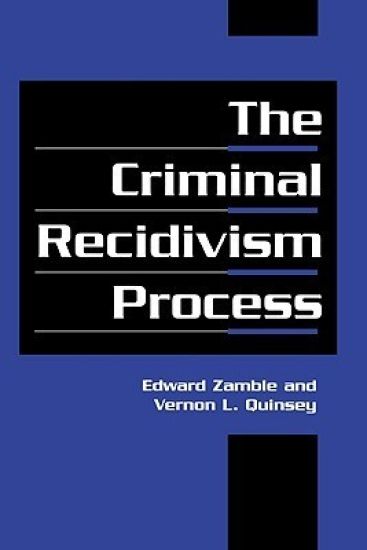
The Criminal Recidivism Process

The Criminal Recidivism Process

Edward Zamble; Vernon L. Quinsey

Cambridge University Press
1997
sidottu
This book addresses how and why criminal offenders repeat their actions after being released from prison. It is part of an attempt to explain criminal behavior within the context of a contemporary psychological understanding of behavior, rather than more traditional theories of crime. Over 300 serious male criminal offenders were interviewed and tested after they returned to prison for new crimes. The results indicate that their new offenses may be the result of something like a 'breakdown'. From this, it can be argued that we could monitor released prisoners to predict or even to prevent their return to crime. This report, written for a general audience, has some important implications for release supervision, rehabilitation programs, and the prediction of recidivism.