Kirjojen hintavertailu. Mukana 12 390 323 kirjaa ja 12 kauppaa.

Kirjailija

Eeke Van der Burg

Kirjat ja teokset yhdessä paikassa: 2 kirjaa, julkaisuja vuodelta 1998, suosituimpien joukossa Longitudinal Data Analysis. Vertaile teosten hintoja ja tarkista saatavuus suomalaisista kirjakaupoista.

2 kirjaa

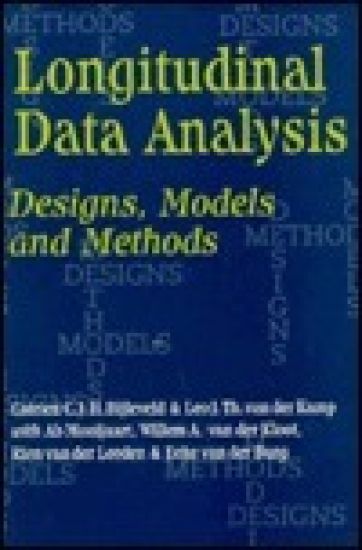
Longitudinal Data Analysis

Longitudinal Data Analysis

Catrien C. J. H. Bijleveld; Leo J Th van der Kamp; Ab Mooijaart; Willem Van der Kloot; Rien van der Leeden; Eeke Van der Burg

SAGE Publications Inc
1998
sidottu
By looking at the processes of change over time - by carrying out longitudinal studies - researchers answer questions about learning, development, educational growth, social change and medical outcomes. However, longitudinal research has many faces. This book examines all the main approaches as well as newer developments (such as structural equation modelling, multilevel modelling and optimal scaling) to enable the reader to gain a thorough understanding of the approach and make appropriate decisions about which technique can be applied to the research problem. Conceptual explanations are used to keep technical terms to a minimum; examples are provided for each approach; issues of design, measurement and significance are considered; and a standard notation is used throughout.
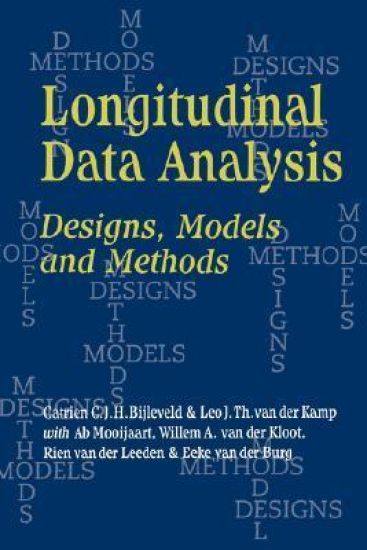
Longitudinal Data Analysis

Longitudinal Data Analysis

Catrien C. J. H. Bijleveld; Leo J Th van der Kamp; Ab Mooijaart; Willem Van der Kloot; Rien van der Leeden; Eeke Van der Burg

SAGE Publications Inc
1998
nidottu
By looking at the processes of change over time - by carrying out longitudinal studies - researchers answer questions about learning, development, educational growth, social change and medical outcomes. However, longitudinal research has many faces. This book examines all the main approaches as well as newer developments (such as structural equation modelling, multilevel modelling and optimal scaling) to enable the reader to gain a thorough understanding of the approach and make appropriate decisions about which technique can be applied to the research problem. Conceptual explanations are used to keep technical terms to a minimum; examples are provided for each approach; issues of design, measurement and significance are considered; and a standard notation is used throughout.