Kirjailija
Eelco F.M. Wijdicks
Kirjat ja teokset yhdessä paikassa: 24 kirjaa, julkaisuja vuosilta 2012-2026, suosituimpien joukossa Solving Critical Consults. Vertaile teosten hintoja ja tarkista saatavuus suomalaisista kirjakaupoista.
Mukana myös kirjoitusasut: Eelco F. M. Wijdicks
24 kirjaa
Kirjojen julkaisuhaarukka 2012-2026.
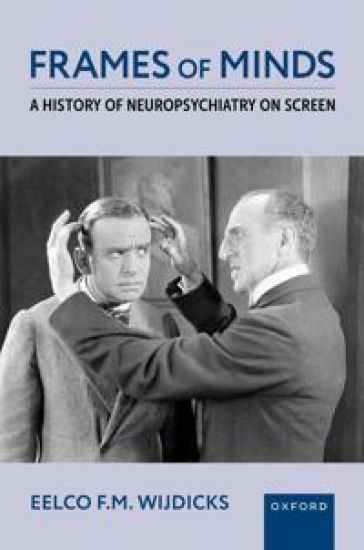
As a medium that aims to connect people through the communication and interpretation of experiences, cinema is uniquely positioned to showcase cultural misunderstandings around issues of mental health. Frames of Minds traces a history of psychiatry in film, concentrating on the major paradigm shifts in neuropsychiatry over the last century. Oftentimes, representations of psychiatry, mental illness, and psychotic breakdown are reduced to tropes and used by filmmakers as a tool for plot progression. Conversely, films can be used as an avenue to voice common concerns about the missteps of psychiatry, including overdiagnosis and mistreatment. Dr. Eelco Wijdicks provides fresh insights into the minds of filmmakers and how they creatively tackle this complex topic. How do filmmakers use psychiatry, and what do they want us to see? What is their frame of mind--psychoanalytically, biologically, sociologically, anthropologically? Were they influenced by their own prejudices about the origins of mental illness? How does this influence the direction of their films? Examining the history of film alongside developments in neuropsychiatry, Frames of Minds uncovers a cinematic language of psychiatry. By taking chances to portray mental illness, filmmakers aim to achieve a sense of reality, and provide catharsis for viewers through the act of dramatization. Ultimately, the history of psychiatry in film is a history of the public perception of medicine, and the ways psychiatry is understood by directors, writers, actors, and audiences.
Neurologic Complications of Critical Illness
Eelco F.M. Wijdicks
OXFORD UNIVERSITY PRESS INC
2023
sidottu
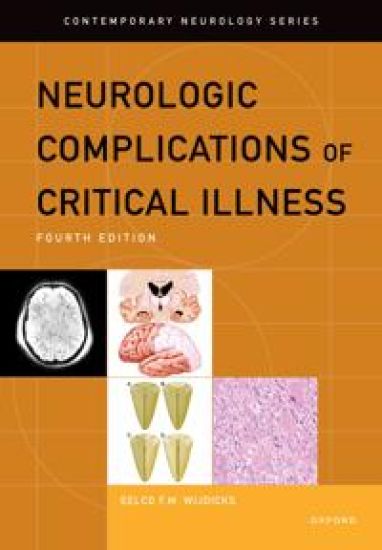
Neurologic consultations are essential to patient outcomes, not only providing diagnostic, therapeutic, and prognostic advice but also directing care to the patient. Neurologic Complications of Critical Illness is the foremost guide for neurologists entering the intensive care unit (ICU). This fourth edition has been thoroughly updated, refreshed, and expanded in recognition of the vast number of changes in neurology and neurocritical care. In addition, every chapter provides a representative selection of the state-of-the art management and latest clinical innovations in critical care medicine. As with previous editions, the book offers practical advice on dealing with coma and outcome after cardiopulmonary resuscitation (CPR), failure to awaken after surgery, delirium, new onset seizures, generalized weakness, acute paraplegia, movement disorders and many other manifestations of a neurologic emergency such as complications after organ transplantation, neurologic complications of invasive procedures and devices, complications from cardiac surgery, traumatic brain, spine and peripheral nerve injury, and environmental injuries such as hypothermia and near drowning. Chapters include a wealth of helpful tables, precise algorithms, and a large, curated selection of neuroimaging. Each chapter has a section to reconcile theory and practice. This edition offers new chapters on the interpretation of focal findings and acute movement disorders in critical illness, cancer immunotherapy and ethical dilemmas. This clinical text with dedicated coverage of all major neurologic illnesses will be helpful to a very wide audience of health care providers and any intensivist and general neurologist managing complex medical disorders, surgeries, and co-morbidities.
Cinema, MD follows the intersection of medicine and film and how filmmakers wrote a history of medicine over time. The narrative follows several main story lines: How did the portrayal of physicians, nurses, and medical institutions change over the years? What interested filmmakers, and which topics had priority? What does film's obsession with experiments and monstrosities reveal about medical ethics and malpractice? How could the public's perception of the medical profession change when watching these films on diseases and treatments, including palliative care and medical ethics? Are screenwriters, actors, and film directors channeling a popular view of medicine? Cinema, MD analyzes not only changing practices, changing morals, and changing expectations but also medical stereotypes, medical activism, and violations of patients' integrity and autonomy. Examining over 400 films with medical themes over a century of cinema, this book establishes the cultural, medical, and historical importance of the art form. Film allows us to see our humanity, our frailty, and our dependence when illness strikes. Cinema, MD provides uniquely new and fascinating insight into both film criticism and the history of medicine and has a resonance to the medical world we live in today.
Your purchase of the print version of Brain Death includes access to videos available via Oxford Medicine Online. By activating your unique access code, you can discover these videos, and use them for teaching and training purposes. Brain Death provides a practical, comprehensive, clinical resource for practitioners seeing patients with acute catastrophic neurologic disorders evolving to brain death and all its ramifications. The clinical diagnosis of brain death has tremendous implications: its main purpose is to bring closure, but it often results in organ and tissue transplantation questions which need to be addressed. This third edition introduces new research in the intensive care unit, newly unearthed historical data on important US-UK differences, a thorough discussion of US guidelines and how it is used in hospital practices, and compares guidelines used elsewhere in the world. In this incisive work, the many complexities of diagnosis and management of brain death are examined but it also illuminates cultural beliefs and bioethical problems, highlights the nature of conferences with family members, and captures several organ procurement issues. The book also includes 30 commonly asked practice problems to resolve diagnostic uncertainties and conflicts along with 12 video clips to assist in neurological evaluation. Brain Death is a treatise by the leading expert on brain death, Eelco F.M. Wijdicks. This book is a work of primary source research and includes work from recent publications by the author. It is an invaluable resource for neurologists, neurointensivists, neurosurgeons, anesthesiologists, trauma surgeons, neuroscience and intensive care nursing staff, transplantation surgeons, and organ procurement organizations.
Core Principles of Acute Neurology is a series of short volumes that handles major topics not found in sufficient detail elsewhere and provides useful context. Solving Critical Consults provide practical information on how to evaluate complicated neurology consults in the ICU. The diagnosis and management of neurologic complications of acutely ill hospitalized patients remains challenging. The modern intensive care unit is a different place with different patients, and consultants may require a specific expertise in handling complications associated with critical illness. Some of these requests for consultation include not only diagnosis of the neurologic state, but also assistance with management at all levels. Prognostication in devastating situations or when the critical illness has come under control is a common request.
This book is the first of four books on the core principles of acute neurology. This book is a primer - and a great deal more - on how to clinically recognize acute brain injury and to treat its consequences. Acute brain injury often changes the dynamics of cerebral blood flow, cerebrospinal fluid mechanics and eventually intracranial pressure. And furthermore, acute brain and spine injury impacts on heart function, blood pressure control, breathing regulation and even gastric and bladder function. It is necessary to not only understand these fundamentals but also how certain measures could influence or correct these manifestations. Major concepts are illustrated to facilitate understanding. Each chapter concludes with a section that explains its relevance to clinical practice.The book truly combines basic neuroscience with practical know- how in an easy to read prose useful for both the novice and expert.
Famous First Papers for the Neurointensivist
Eelco F.M. Wijdicks
Springer-Verlag New York Inc.
2013
nidottu
A major contribution to the literature in neurology from renowned neurointensivist Eelco F.M. Wijdicks, MD, PhD, Famous First Papers for the Neurointensivist presents and critically assesses numerous papers that have made a profound impact on the diagnosis and treatment of neurologically acute conditions. In general, there has been little historical work in acute neurologic conditions, precisely because neurology is not perceived through this perspective. Famous First Papers for the Neurointensivist addresses this problem by a scholarly treatment of early descriptions of clinical signs, syndromes and presenting the development of treatment of these acute disorders. Using a uniform and easy-to-read format, the title offers a clear reproduction of each paper’s title page, a short historical note, and a brief discussion and its implications, and a final comment to provide perspective. Landmark clinical trials that apply to acute neurology are included, and the book also briefly discusses the birth of intensive care units. Ground-breaking and indispensable for all physicians and researchers interested in neurocritical care, Famous First Papers for the Neurointensivist is a unique, original reference, providing not only a single source for discovering the most important papers in the field but also a critical analysis of the impact of each paper on the development of neurocritical care. "Dr Wijdicks has been integral to the growth and development of neurocritical care as a specialty. He has cultivated it firsthand, serving as a contemporary of Raymond Adams, C. Miller Fisher,and Allan Ropper, all pioneers in acute neurological care. He established the neurocritical care program at the Mayo Clinic in the early 1990s and has served as the editor in chief of the journal Neurocritical Care, which was first published in 2004 after the foundation of the Neurocritical Care Society. His unique vantage point allows him tobring us a book that few others could produce, Famous First Papers for the Neurointensivist. This book is an original in the field and should be on the reading list of anyone who cares for critically ill neurologic and neurosurgical patients... Reading this book from cover to cover is highly recommended. The writing is clear and concise, and the transitions are smooth. Each essay is self-contained and allows the reader to set his or her own pace. Once completed,the book serves as a great reference book because each essay stands on its own. The photographs of the manuscripts' title pages and key tables and figures are of high quality, and a translation is provided if the original work was not in English... Dr Wijdicks has sifted through the library stacks and has emerged with a book that puts the specialty of neurocritical care into historical perspective. In order to know where you are going, you must first know where you have been. This holds especially true for neurocritical care because the specialty continues to grow and flourish." -- JAMA NEUROL/VOL 70 (NO. 4), APR 2013 WWW. JAMANEURO.COM
This groundbreaking book delves into the origins and evolution of caring for the neurocritically ill. From the early pioneers like Galen and Charcot to the modern advancements in understanding acute brain injury, this narrative weaves together historical insights and clinical observations. Explore the unique challenges and breakthroughs that shaped acute neurology into the specialized field it is today. Through a meticulous exploration of primary sources and historical findings, this book sheds light on the trajectory of thought and the continuity of development in acute neurosciences. Aimed at neurointensivists, neurosurgeons, and clinicians across various specialties, Fixed and Dilated offers a fresh perspective on the past while connecting it to the present and future of neurocritical care. Uncover the untold stories that have shaped our understanding of acute neurological conditions.
Neurocritical Care
Eelco F.M. Wijdicks; Alejandro A. Rabinstein
OXFORD UNIVERSITY PRESS INC
2025
nidottu
Neurocritical Care is a primer for physicians seeing patients in the neurointensive care unit, with a specific focus on interventions in acute neurologic disorders. Neurocritical care in daily practice involves management of deteriorating patients, treatment of complications, along with end-of-life care assisting families with problematic decisions. A great number of pertinent topics can be found in this case-based book. Written with a conversational tone and using a case-based approach, the emphasis is on how to oversee comparatively common clinical problems emergently. The goal is to provide readily implementable solutions and to challenge the reader with making acute decisions in common patient examples. The brief discussions boil down to the essentials and bare necessities of neurocritical care. This third edition has over twenty new cases with new coverage on contemporary issues. Expansion of previously discussed topics include additional complications in traumatic brain injury and subarachnoid hemorrhage, complications after craniotomy, elusive rapid progressive brain disease, "wake-up stroke" immune checkpoint inhibitor and CAR-T cell therapy complications, complications of LVAD, and early prognostication and communication conundrums. An easy read for new physicians, residents, and medical students, it provides practical advice from the authors' seasoned experiences.
The Practice of Emergency and Critical Care Neurology
Eelco F. M. Wijdicks
OXFORD UNIVERSITY PRESS INC
2024
sidottu
Published in 1997 as the first single-authored book on critical care neurology, The Practice of Emergency and Critical Care Neurology serves as a comprehensive guide to managing all aspects of critically ill neurologic patients. Following patients from the moment they enter the emergency department, this textbook demonstrates how specialists in the neurosciences assume full responsibility for patient care. Edited succinctly for relevance, this book differs from conventional textbooks by following the time course of clinical complexities as they emerge and change, instead of focusing on just the theoretical aspects of the field. Great emphasis is placed on the management of unstable and deteriorating patients. As any patient presents a unique, complex problem, the book pays special care in describing the considerations behind the rapid-fire decisions that comprise the work environment of the neurointensivist. In this new third edition, all chapters have been revised with added information and, in some, new concepts and ideas. Key features of this new edition include: 1. Additional chapters on the basics of neuroimaging and its interpretation; basic pharmacology issues in the intensive care setting (e.g., drug interactions and side effects); intoxications; the principles of critical care ultrasound and its relevance in the NeuroICU and the principles of neuro palliation including neuroethics 2. Rich illustrations using color photos of patients and drawings of important basic concepts of mechanisms in diseases of neurocritical care 3. Fully updated and comprehensive reference list 4. Narrated instruction video of the coma FOUR score
Caring for a loved one in a coma is a distressing time, full of many questions, and often, not as many answers. Guide to a Comatose Patient is a first-of-its-kind book that steps into the shoes of the neurologist, to show the perspective of the staff caring for their loved ones -- what worries us, how we think and intervene, what we can and cannot predict, and what we know as a certainty. In our hospital ICUs, there are more than a dozen comatose patients at any given point of time. Causes of coma can range from drug-induced coma--in which medications are used to calm the patient and allow the ventilator to work properly--to coma due to intoxication and coma related to a brain injury. No matter the reason, it can be a distressing time for loved ones. Guide to a Comatose Patient is a helpful guide for any family member or loved one confronted with coma. Author Eelco F. M. Wijdicks, M.D., Ph.D., a leading neurologist and attending neurointensivist at Mayo Clinic, begins each chapter by sharing helpful anecdotes from a career spanning four decades, before diving into the answers to commonly asked questions, such as: - What are the causes of coma? - When will the patient wake up and recover? - When is no recovery expected? - When should we consider organ donation? - What are the rates of survival? While there are many books on families' experiences with acute traumatic brain injury and coma, Dr. Wijdicks offers an unusually candid conversation that allows a peek inside the minds of the doctors caring for your loved one. Having had many experiences talking to families having to make difficult decisions at a very difficult time, Dr. Wijdicks's message is hopeful while remaining grounded in reality--a reality in which facts must dictate actions. Guide to a Comatose Patient provides important information so that families better understand treatment options, but most importantly, the book offers an open dialogue and optimal transparency to help provide hope and healing through times of grief.
This indispensable title rethinks the neurologic examination in a format tailored, modified, and specialized for neurocritical illness. Generously illustrated, this book provides a detailed clinical assessment of the acutely ill neurologic patient. It explains why certain neurologic signs appear and provides fundamentals of localization. Certain situations demand certain structured examinations. Eventually, all information has to be integrated logically. Different examination techniques may be needed. Recognition of deterioration and increased vigilance with important mimickers and confounders are part of our professional fabric. Other necessary skills include predicting a clinical course and outcome, coordinating effective transfers of unstable patients, and communicating expected clinical changes. Neurologists traditionally have carefully considered the examination findings before acting and localized findings before ordering tests; these heuristics must remain. An indispensable title designed for all learners, Examining Neurocritical Patients preserves the beauty of a comprehensive clinical neurologic examination and serves as a high-yield master class for every health care professional tasked with clinical assessment of a neurocritically ill patient.
The history of neurology as seen through the lens of the filmmaker is fascinating and extraordinary. Neurocinema-The Sequel is a review of the history of neurology as seen in film, starting with the early days of cinema and concluding with contemporary films now available in theaters and on streaming sites. The major themes of this book encompass how neurology has been represented in the history of cinema and how neurologic topics emerged and then disappeared, with some staging a comeback in more recent films. 180 films are assessed and rated, and many of these are exemplary depictions of neurological disorders. The author examines whether film, from a neurologic perspective, can provide insight and even debate. Each of the films discussed in this book demands serious attention by those who see and manage neurologic patients and support their families. Neurocinema - The Sequel chronicles this archive of neurologic representation, drawing readers in a rich collection of cinematic wonders of permanent cultural and historical value.
This indispensable title rethinks the neurologic examination in a format tailored, modified, and specialized for neurocritical illness. Generously illustrated, this book provides a detailed clinical assessment of the acutely ill neurologic patient. It explains why certain neurologic signs appear and provides fundamentals of localization. Certain situations demand certain structured examinations. Eventually, all information has to be integrated logically. Different examination techniques may be needed. Recognition of deterioration and increased vigilance with important mimickers and confounders are part of our professional fabric. Other necessary skills include predicting a clinical course and outcome, coordinating effective transfers of unstable patients, and communicating expected clinical changes. Neurologists traditionally have carefully considered the examination findings before acting and localized findings before ordering tests; these heuristics must remain. An indispensable title designed for all learners, Examining Neurocritical Patients preserves the beauty of a comprehensive clinical neurologic examination and serves as a high-yield master class for every health care professional tasked with clinical assessment of a neurocritically ill patient.
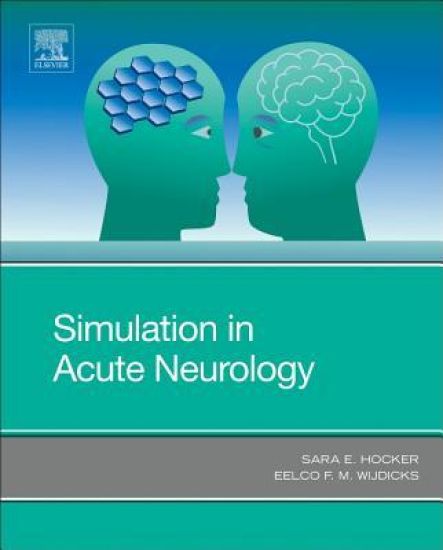
Simulation in Acute Neurology
Sara E. Hocker; Eelco F. M. Wijdicks
Elsevier - Health Sciences Division
2018
sidottu
Simulation in Acute Neurology is a textbook on the execution of a simulation-based educational program in the management of acute neurologic emergencies. Simulation in Acute Neurology has practical value because it contains detailed descriptions of our simulation scenarios. The foundation of this book is our experience with neurosimulation?and it has been a very good one. Part I provides an overview of the principles of simulation in medicine and examines the many unique opportunities simulation provides as an educational tool. Barriers to simulating neurologic emergencies are also discussed. Simulation allows a physician-in-training to be observed directly as he or she evaluates and manages acute neurologic disease. Part II is the core of the book. Fifteen acute neurologic emergencies, including complex neuroethical quandaries, are presented in detail, step by step, decision by decision, error after error. Each chapter in this section starts with an explanation of the essence of the discussed neuroemergency (THE PROBLEM BEFORE US), followed by a description of the scenario itself (THE PRESENTING CLINICAL PROBLEM), how scenarios can be adjusted to different types of learners (ADAPTING THE SCENARIO), and ends with a discussion of topics for feedback, which are generally focused around errors and pitfalls (DEBRIEFING). To show the flow of scenarios, we created two additional main headings: (THE IDEAL LEARNER) and (THE NOT-SO IDEAL LEARNER). Part I provides an overview of the principles of simulation in medicine and examines the many unique opportunities simulation provides as an educational tool. Barriers to simulating neurologic emergencies are also discussed. Simulation allows a physician-in-training to be observed directly as he or she evaluates and manages acute neurologic disease. Part II is the core of the book. Fifteen acute neurologic emergencies, including complex neuroethical quandaries, are presented in detail, step by step, decision by decision, error after error. Each chapter in this section starts with an explanation of the essence of the discussed neuroemergency (THE PROBLEM BEFORE US), followed by a description of the scenario itself (THE PRESENTING CLINICAL PROBLEM), how scenarios can be adjusted to different types of learners (ADAPTING THE SCENARIO), and ends with a discussion of topics for feedback, which are generally focused around errors and pitfalls (DEBRIEFING). To show the flow of scenarios, we created two additional main headings: (THE IDEAL LEARNER) and (THE NOT-SO IDEAL LEARNER).
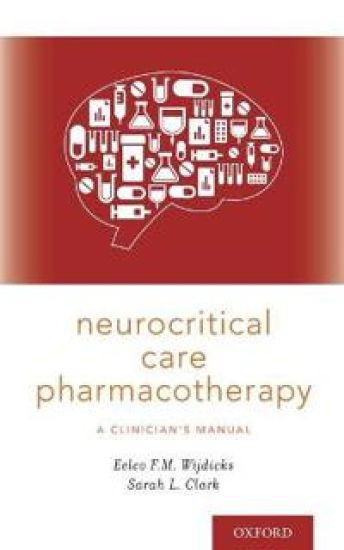
Neurocritical Care Pharmacotherapy
Eelco F.M. Wijdicks; Sarah L. Clark
Oxford University Press Inc
2018
nidottu
Neurocritical Care Pharmacotherapy: A Clinican's Guide is a practical, succinct but comprehensive pharmacy handbook provides up-to-date clinical guidance on the effective selection, prescription, and usage of neurocritical care drugs for patients with acute neurologic illnesses. The treatment of the critically ill neurologic patient is often difficult, specialized, and includes drugs infrequently used in other intensive care units such as antiepileptic drugs, osmotic agents or acute immunotherapy such as intravenous immunoglobulin and plasma exchange. This text discusses choosing the right combination of drugs; how to correctly prescribe and administer the drugs; how to monitor drug efficacy and side effects; how neurocritical care drugs interact with other medications; and comprehensive coverage of current treatment options. Key Feature of this Manual Include · A brief discussion of the basic pharmacology of each neurocritical drug, with an emphasis on how to select and use these drugs in multiple clinical contexts. · 150 drugs accompanied by a diagram for quick comprehension and drug administration guides. · Unique blending of expertise of neurointensivist with a critical care pharmacist to provide a vital resource for both specialities · References for further reading that are oriented toward utility in clinical practice.
Core Principles of Acute Neurology is a series of short volumes that handles major topics not found in sufficient detail elsewhere and provides useful context. Identifying Neuroemergencies provides practical information how to best manage and triage patients in the first hour of admission in the emergency department. Physicians consider a neurologic emergency when the patient has clearly worsened and their neurologic signs have changed. Correct decisions are imperative: any type of neurocritical illness demands immediate treatment in the emergency department. Neurologist can assist further with the successful triage of the neurologic emergency and this volume in the Core Principles of Acute Neurology will serve as a handy, concise, reference to both the neurologist and the emergency physician.
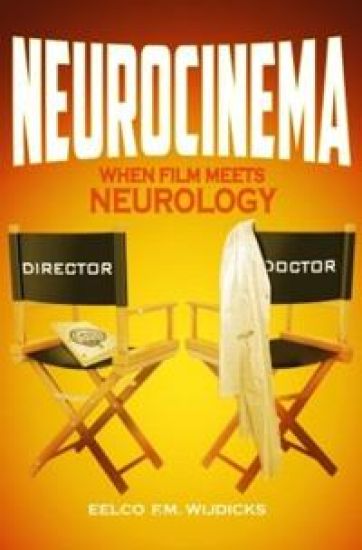
Film directors recognize that neurologic disease impacts mind and motility and often use it in a plot or defining scene. It should be informative and educational to deconstruct neurologic representation in film. Neurocinema: When Film Meets Neurology is a collection of film essays that summarize the portrayal of major neurologic syndromes and clinical signs in cinema. Many films approach the reality of disease quite closely, and as a result, are deeply moving and memorable. Equally important, these films say as much about consequences as they say about the disorder. Therefore, the main themes include sudden confrontation with a major neurologic illness, disability from chronic neurologic disease, and failure to lead a normal life.More than 100 fiction films and documentaries are discussed in this completely original and definitive work on how film meets neurology. The book includes nearly 50 neurology topics, explains them, and places them in a broader context. The book is accessible for all health care workers and general readership.Eelco Wijdicks is a professor of neurology at the Mayo Clinic College of Medicine. He is the chair of the Division of Critical Care Neurology and an attending neurointensivist at Mayo Clinic Hospital, Saint Marys Campus. He has written numerous books and scientific articles on the clinical practice of neurocritical care. He is enamored with cinema and neurologic representation in fiction and documentary films. Dr. Wijdicks has written film reviews for Neurology Today and THE LANCET Neurology. He is the author of a major publication on the portrayal of coma in film and its potential effect on the viewing public.
The Comatose Patient, Second Edition, is a critical historical overview of the concepts of consciousness and unconsciousness, covering all aspects of coma within 100 detailed case vignettes. This comprehensive text includes principles of neurologic examination of comatose patients as well as instruction of the FOUR Score coma scale, and also discusses landmark legal cases and ethical problems. As the Chair of Division of Critical Care Neurology at Mayo Clinic, Dr. Wijdicks uses his extensive knowledge to discuss a new practical multistep approach to the diagnosis of the comatose patient. Additionally, this edition includes extensive coverage of the interpretation of neuroimaging and its role in daily practice and decision making, as well as management in the emergency room and ICU. Dr. Wijdicks details long-term supportive care and an appropriate approach to communication with family members about end-of-life decision making.