Kirjojen hintavertailu. Mukana 12 595 353 kirjaa ja 12 kauppaa.

Kirjailija

Eli Hinkel

Kirjat ja teokset yhdessä paikassa: 7 kirjaa, julkaisuja vuosilta 1999-2020, suosituimpien joukossa Second Language Writers' Text. Vertaile teosten hintoja ja tarkista saatavuus suomalaisista kirjakaupoista.

7 kirjaa

Kirjojen julkaisuhaarukka 1999-2020.

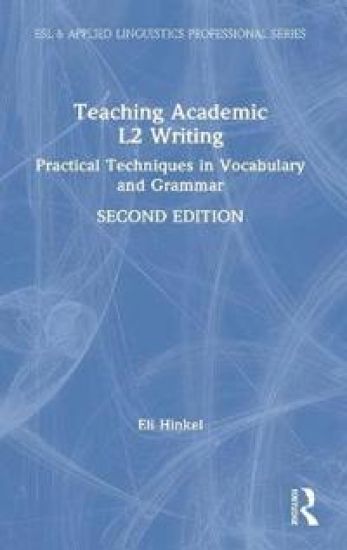
Teaching Academic L2 Writing

Teaching Academic L2 Writing

Eli Hinkel

Routledge
2020
sidottu
The new edition of this comprehensive text fills an important role in teacher professional preparation by focusing on how to teach the grammar and vocabulary that are essential for all L2 writing teachers and student-writers. Before L2 writers can begin to successfully produce academic prose, they need to understand the foundations of the language and develop the language tools that will help them build reasonable quality text. Targeting specific problem areas of students’ writing, this text offers a wealth of techniques for teaching writing, grammar, and vocabulary to second-language learners.Updated with current research and recent corpus analysis findings, the second edition features a wealth of new materials, including new teaching activities; student exercises and assignments; and substantially revised appendices with supplementary word and phrase lists and sentence components. Designed for preservice ESL/ELT/TESOL courses as well as Academic Writing and Applied Linguistics courses, this book includes new, contextualized examples in a more accessible and easy-to-digest format.
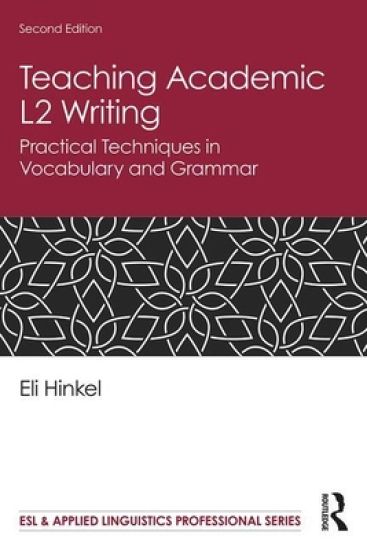
Teaching Academic L2 Writing

Teaching Academic L2 Writing

Eli Hinkel

Routledge
2020
nidottu
The new edition of this comprehensive text fills an important role in teacher professional preparation by focusing on how to teach the grammar and vocabulary that are essential for all L2 writing teachers and student-writers. Before L2 writers can begin to successfully produce academic prose, they need to understand the foundations of the language and develop the language tools that will help them build reasonable quality text. Targeting specific problem areas of students’ writing, this text offers a wealth of techniques for teaching writing, grammar, and vocabulary to second-language learners.Updated with current research and recent corpus analysis findings, the second edition features a wealth of new materials, including new teaching activities; student exercises and assignments; and substantially revised appendices with supplementary word and phrase lists and sentence components. Designed for preservice ESL/ELT/TESOL courses as well as Academic Writing and Applied Linguistics courses, this book includes new, contextualized examples in a more accessible and easy-to-digest format.
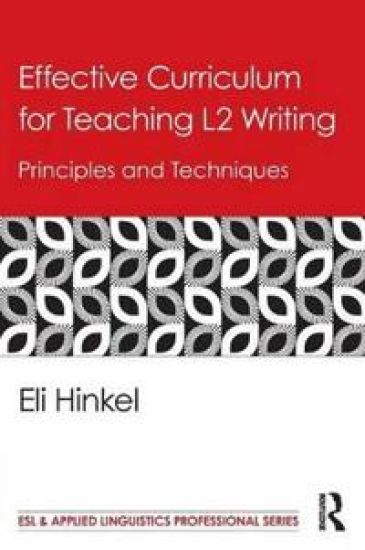
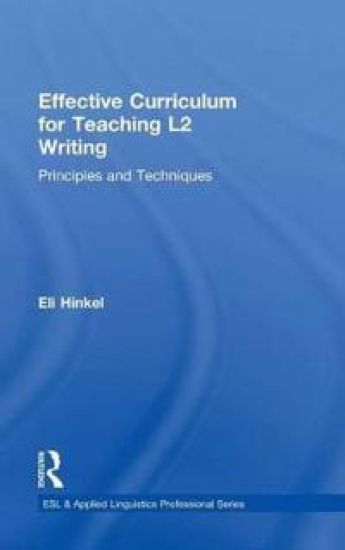
Effective Curriculum for Teaching L2 Writing
Effective Curriculum for Teaching L2 Writing sets out a clear big picture for curricular thinking about L2 writing pedagogy and offers a step-by-step guide to curriculum design with practical examples and illustrations. Its main purpose is to help pre-service and practicing teachers design courses for teaching academic writing and to do this as efficiently and effectively as possible. Bringing together the what and the how-to with research-based principles, what sets this book apart is its overarching focus on language pedagogy and language building.Part 1 examines curricular foundations in general and focuses on what is socially valued in L2 writing and pedagogy at school and at the college and university level. Part 2 is concerned with the nitty-gritty?—the daily realities of curricular design and classroom instruction. Part 3 takes a close look at the key pedagogical ingredients of teaching academic L2 writing: vocabulary and collocations, grammar for academic writing, and down-to-earth techniques for helping L2 writers to organize discourse and ideas. The Appendix provides an extensive checklist for developing curricula for a course or several courses in language teaching.
Effective Curriculum for Teaching L2 Writing
Effective Curriculum for Teaching L2 Writing sets out a clear big picture for curricular thinking about L2 writing pedagogy and offers a step-by-step guide to curriculum design with practical examples and illustrations. Its main purpose is to help pre-service and practicing teachers design courses for teaching academic writing and to do this as efficiently and effectively as possible. Bringing together the what and the how-to with research-based principles, what sets this book apart is its overarching focus on language pedagogy and language building.Part 1 examines curricular foundations in general and focuses on what is socially valued in L2 writing and pedagogy at school and at the college and university level. Part 2 is concerned with the nitty-gritty?—the daily realities of curricular design and classroom instruction. Part 3 takes a close look at the key pedagogical ingredients of teaching academic L2 writing: vocabulary and collocations, grammar for academic writing, and down-to-earth techniques for helping L2 writers to organize discourse and ideas. The Appendix provides an extensive checklist for developing curricula for a course or several courses in language teaching.
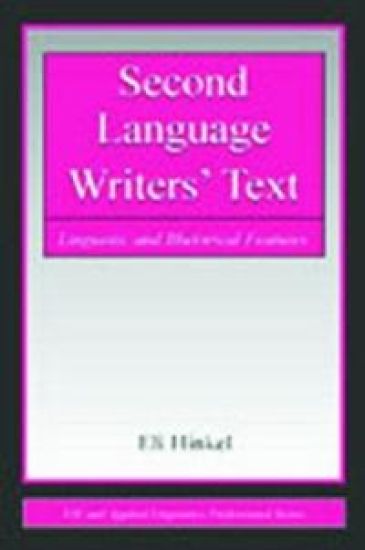
Second Language Writers' Text

Second Language Writers' Text

Eli Hinkel

Routledge Member of the Taylor and Francis Group
2002
sidottu
This comprehensive and detailed analysis of second language writers' text identifies explicitly and quantifiably where their text differs from that of native speakers of English. The book is based on the results of a large-scale study of university-level native-speaker and non-native-speaker essays written in response to six prompts. Specifically, the research investigates the frequencies of uses of 68 linguistic (syntactic and lexical) and rhetorical features in essays written by advanced non-native speakers compared with those in the essays of native speakers enrolled in first-year composition courses. The selection of features for inclusion in this analysis is based on their textual functions and meanings, as identified in earlier research on English language grammar and lexis. Such analysis is valuable because it can inform the teaching of grammar and lexis, as well as discourse, and serve as a basis for second language curriculum and course design; and provide valuable insight for second language pedagogical applications of the study's findings.
Second Language Writers' Text

Second Language Writers' Text

Eli Hinkel

Routledge Member of the Taylor and Francis Group
2002
nidottu
This comprehensive and detailed analysis of second language writers' text identifies explicitly and quantifiably where their text differs from that of native speakers of English. The book is based on the results of a large-scale study of university-level native-speaker and non-native-speaker essays written in response to six prompts. Specifically, the research investigates the frequencies of uses of 68 linguistic (syntactic and lexical) and rhetorical features in essays written by advanced non-native speakers compared with those in the essays of native speakers enrolled in first-year composition courses. The selection of features for inclusion in this analysis is based on their textual functions and meanings, as identified in earlier research on English language grammar and lexis. Such analysis is valuable because it can inform the teaching of grammar and lexis, as well as discourse, and serve as a basis for second language curriculum and course design; and provide valuable insight for second language pedagogical applications of the study's findings.
Culture in Second Language Teaching and Learning

Culture in Second Language Teaching and Learning

Eli Hinkel

CAMBRIDGE UNIVERSITY PRESS_
1999
sidottu
This book identifies the many facets of culture that influence second language learners and teachers. The hardback edition identifies the many facets of culture that influence second language learners and teachers. It addresses the impact of culture on learning to interact, speak, construct meaning, and write in a second language, while staying within the sociocultural paradigms specific to a particular language and its speakers. By providing a comprehensive introduction to research from other disciplines on the interaction between language and culture, this volume offers an important contribution to the field of second language acquisition.