Kirjojen hintavertailu. Mukana 12 390 323 kirjaa ja 12 kauppaa.
Kirjailija
Eliezer Witztum
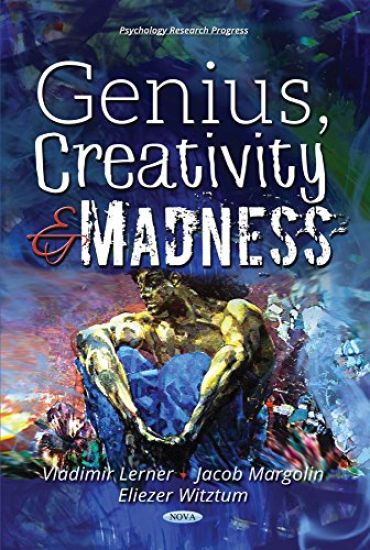
Kirjat ja teokset yhdessä paikassa: 4 kirjaa, julkaisuja vuosilta 2001-2017, suosituimpien joukossa Genius, Creativity and Madness. Vertaile teosten hintoja ja tarkista saatavuus suomalaisista kirjakaupoista.
Working With the Bereaved summarizes the major themes in bereavement research and clinical work and uses the authors’ own cutting-edge research to show mental-health practitioners how to integrate these themes into their practice. It provides clinicians with a framework for exploring their own emotional and intellectual assumptions about loss and bereavement, and it goes on to summarize state-of-the-art thinking in the field. The heart of the book focuses on the theoretical and clinical implications of the empirically validated Two-Track Model of Bereavement, as well as a variety of therapeutic techniques designed to help the bereaved both reapproach life and manage their continuing bonds with the deceased. The later chapters examine methods for integrating systems and family perspectives in therapy, for attending to the implications of culture and religion, and for meeting crises and emergencies in bereavement care. The concluding chapter addresses self-care, well-being, and resilience, offering practical guidelines for both the bereaved and those who treat them.
Working With the Bereaved summarizes the major themes in bereavement research and clinical work and uses the authors’ own cutting-edge research to show mental-health practitioners how to integrate these themes into their practice. It provides clinicians with a framework for exploring their own emotional and intellectual assumptions about loss and bereavement, and it goes on to summarize state-of-the-art thinking in the field. The heart of the book focuses on the theoretical and clinical implications of the empirically validated Two-Track Model of Bereavement, as well as a variety of therapeutic techniques designed to help the bereaved both reapproach life and manage their continuing bonds with the deceased. The later chapters examine methods for integrating systems and family perspectives in therapy, for attending to the implications of culture and religion, and for meeting crises and emergencies in bereavement care. The concluding chapter addresses self-care, well-being, and resilience, offering practical guidelines for both the bereaved and those who treat them.
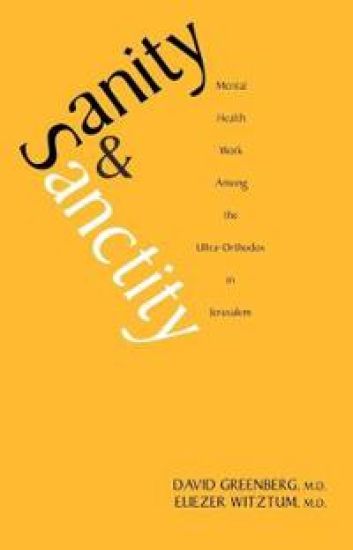
Ultra-orthodox Jews in Jerusalem are isolated from the secular community that surrounds them not only physically but by their dress, behaviors, and beliefs. Their relationship with secular society is characterized by social, religious, and political tensions. The differences between the ultra-orthodox and secular often pose special difficulties for psychiatrists who attempt to deal with their needs. In this book, two Western-trained psychiatrists discuss their mental health work with this community over the past two decades. With humor and affection they elaborate on some of the factors that make it difficult to treat or even to diagnose the ultra-orthodox, present fascinating case studies, and relate their observations of this religious community to the management of mental health services for other fundamentalist, anti-secular groups.