Kirjojen hintavertailu. Mukana 12 595 353 kirjaa ja 12 kauppaa.

Kirjailija

Elizabeth Dauncey

Kirjat ja teokset yhdessä paikassa: 2 kirjaa, julkaisuja vuosilta 2018-2020, suosituimpien joukossa Plants That Cure. Vertaile teosten hintoja ja tarkista saatavuus suomalaisista kirjakaupoista.

2 kirjaa

Kirjojen julkaisuhaarukka 2018-2020.

Plants That Cure

Plants That Cure

Elizabeth Dauncey; Melanie-Jayne Howes

Kew Publishing
2020
sidottu
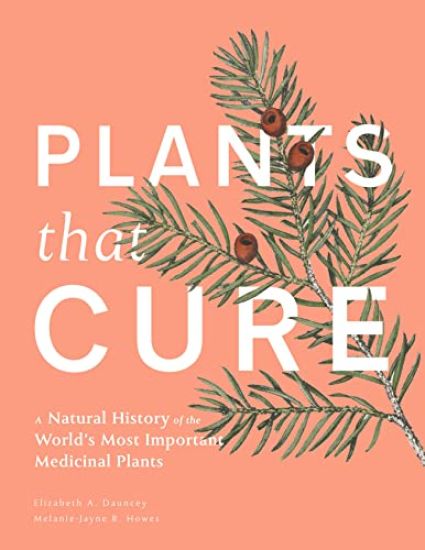
Of the approximately 300,000 plants that have evolved on Earth, at least one tenth of them have been used in traditional herbal medicine or as local remedies. More recently, the application of science has proven the effectiveness of many of these plants, and enabled us to develop important medicines, often in the form of single isolated plant compounds. This fascinating and beautifully presented book explores these compounds and the plants that produce them, and how they have transformed the lives of countless people. The book is organised by body system and type of condition, which are illustrated with examples of compounds used to treat them and the plants that they are found in. Many of these plants have a long history of use that has been investigated, so their mechanism of action can be explained, as well as their role within the plants themselves.
Plants That Kill

Plants That Kill

Elizabeth Dauncey; Sonny Larsson

Kew Publishing
2018
sidottu
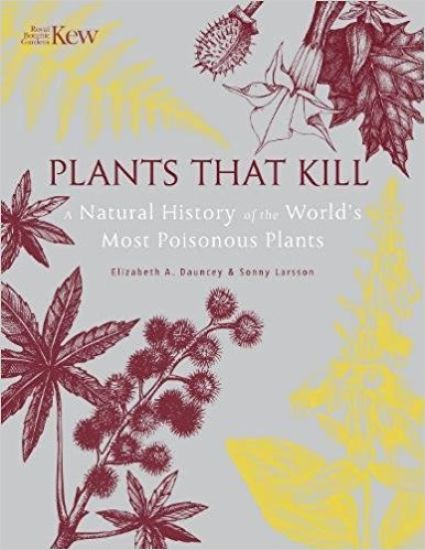
Plants That Kill is not a field guide, clinical care manual, or pharmacology textbook—it is a fascinating and beautifully presented natural history of the world’s most poisonous plants, the extraordinary strategies they employ for survival, and the impact these have on humans, other animals, and on other plants. Some of these seriously harmful and potentially lethal plants can cause their effects if eaten only once, others when consumed repeatedly over a longer period. For some, their effects are felt after skin or eye contact, or following inhalation. These extraordinary plants occur on all continents, and in many different plant families, producing a range of chemicals as part of their strategy for survival. The positive uses that humans and other animals have found for these plants and the chemicals they contain are also an important part of the story. This great diversity is showcased and brought to life through fascinating examples, beautiful illustrations andclear, explanatory diagrams. Anyone with an interest in plants, or with more ecological or pharmacological inclinations, will be fascinated and engaged by this book.