Kirjojen hintavertailu. Mukana 12 489 851 kirjaa ja 12 kauppaa.

Kirjailija

Elizabeth Eddy

Kirjat ja teokset yhdessä paikassa: 3 kirjaa, julkaisuja vuosilta 2009-2020, suosituimpien joukossa How Reiki Works. Vertaile teosten hintoja ja tarkista saatavuus suomalaisista kirjakaupoista.

3 kirjaa

Kirjojen julkaisuhaarukka 2009-2020.

How Reiki Works

How Reiki Works

Elizabeth Eddy

Geneva Enterprise LLC
2020
pokkari
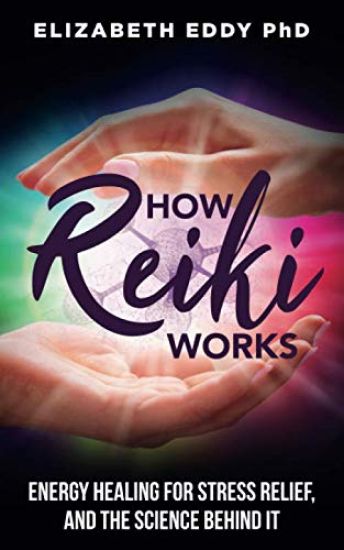
LEARN HOW TO REDUCE STRESS WITH REIKI Everyone suffers from stress. Whether caused by demands from work and family, unsettled political situations, looming environmental disasters, or everyday frustrations, stress can rob you of your quality of life. Stress raises cortisol levels leading to high blood pressure and heart disease. It deranges our natural immune response leaving us vulnerable to disease. How Reiki Works shows you how and why Reiki can transform your life by using its gentle energy to calm and relax you. Practitioners of Reiki are easy to find, and anyone can learn to use it Reading How Reiki Works will: - EXPAND your heart with real-life stories of people using Reiki - SUPPORT your hope to find solutions to medical challenges - PROVIDE scientific studies that show Reiki is effective - FILL IN many useful tips on using Reiki every day - SHOW you how Reiki can help you realize the peace and freedom that are your birthright and human potential
Religion and the Law

Religion and the Law

Elizabeth Eddy; Philip Kurland

Routledge
2017
sidottu
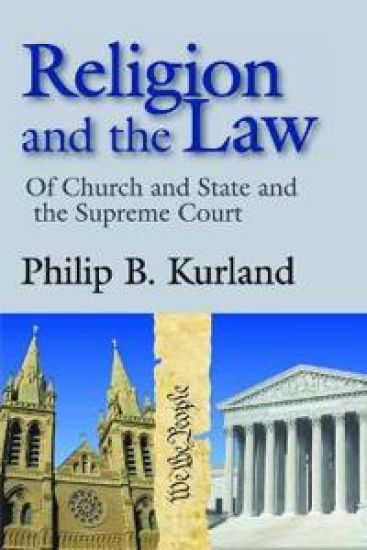
There are few issues as controversial as where to draw the line between church and state. The framers of the Constitution's Bill of Rights began their blueprint for freedom by drawing exactly such a line. The first clauses of the First Amendment provide: "Congress shall make no law respecting an establishment of religion or prohibiting the free exercise thereof." The justices of the Supreme Court have not been wanting for advice from self-appointed guardians. The difficulty with such advice is that the contestants are more convincing when they criticize their opponents' interpretations than when they seek to establish the validity of their own.Religion and the Law examines the actions and words of the Supreme Court in applying constitutional language to the controversies that have come before it. Lest such an effort be reduced to recitation, these cases are measured against a "neutral principle" that will give the most appropriate scope to the religion clauses in such a manner as to provide guidance for legislatures and courts. This neutral principle has been framed in reliance on the Aristotelian axiom that "it is the mark of an educated man to seek precision in each class of things just so far as the nature of the subject admits."One of the fundamental difficulties with the contemporary discussion of the "hot button" issue has been the failure to distinguish two separable problems: the constitutional issue--in the narrow sense of the meaning to be given to the language of the First Amendment by the Supreme Court--and the broader question of the ideal relationship that should exist between church and state. This is a classic study by one of the great theorists of American constitutional law.
Religion and the Law

Religion and the Law

Elizabeth Eddy; Philip Kurland

AldineTransaction
2009
nidottu
There are few issues as controversial as where to draw the line between church and state. The framers of the Constitution's Bill of Rights began their blueprint for freedom by drawing exactly such a line. The first clauses of the First Amendment provide: "Congress shall make no law respecting an establishment of religion or prohibiting the free exercise thereof." The justices of the Supreme Court have not been wanting for advice from self-appointed guardians. The difficulty with such advice is that the contestants are more convincing when they criticize their opponents' interpretations than when they seek to establish the validity of their own.Religion and the Law examines the actions and words of the Supreme Court in applying constitutional language to the controversies that have come before it. Lest such an effort be reduced to recitation, these cases are measured against a "neutral principle" that will give the most appropriate scope to the religion clauses in such a manner as to provide guidance for legislatures and courts. This neutral principle has been framed in reliance on the Aristotelian axiom that "it is the mark of an educated man to seek precision in each class of things just so far as the nature of the subject admits."One of the fundamental difficulties with the contemporary discussion of the "hot button" issue has been the failure to distinguish two separable problems: the constitutional issue--in the narrow sense of the meaning to be given to the language of the First Amendment by the Supreme Court--and the broader question of the ideal relationship that should exist between church and state. This is a classic study by one of the great theorists of American constitutional law.