Kirjojen hintavertailu. Mukana 12 595 353 kirjaa ja 12 kauppaa.

Kirjailija

Elizabeth Hill Boone

Kirjat ja teokset yhdessä paikassa: 8 kirjaa, julkaisuja vuosilta 1996-2025, suosituimpien joukossa The Art and Iconography of Late Post-Classic Central Mexico. Vertaile teosten hintoja ja tarkista saatavuus suomalaisista kirjakaupoista.

8 kirjaa

Kirjojen julkaisuhaarukka 1996-2025.

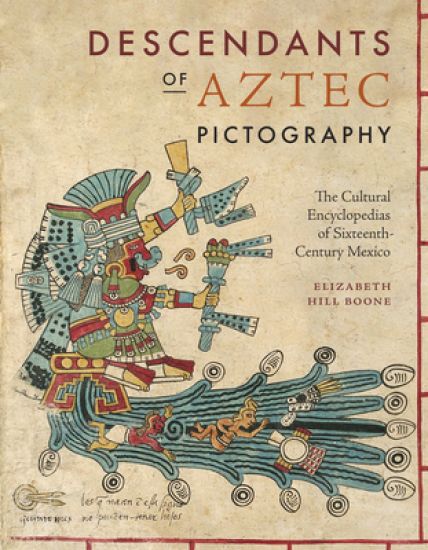
Descendants of Aztec Pictography

Descendants of Aztec Pictography

Elizabeth Hill Boone

University of Texas Press
2021
sidottu
In the aftermath of the sixteenth-century Spanish conquest of Mexico, Spanish friars and authorities partnered with indigenous rulers and savants to gather detailed information on Aztec history, religious beliefs, and culture. The pictorial books they created served the Spanish as aids to evangelization and governance, but their content came from the native intellectuals, painters, and writers who helped to create them. Examining the nine major surviving texts, preeminent Latin American art historian Elizabeth Hill Boone explores how indigenous artists and writers documented their ancestral culture.Analyzing the texts as one distinct corpus, Boone shows how they combined European and indigenous traditions of documentation and considers questions of motive, authorship, and audience. For Spanish authorities, she shows, the books revealed Aztec ideology and practice, while for the indigenous community, they preserved venerated ways of pictorial expression as well as rhetorical and linguistic features of ancient discourses. The first comparative analysis of these encyclopedias, Descendants of Aztec Pictography analyzes how the painted compilations embraced artistic traditions from both sides of the Atlantic.
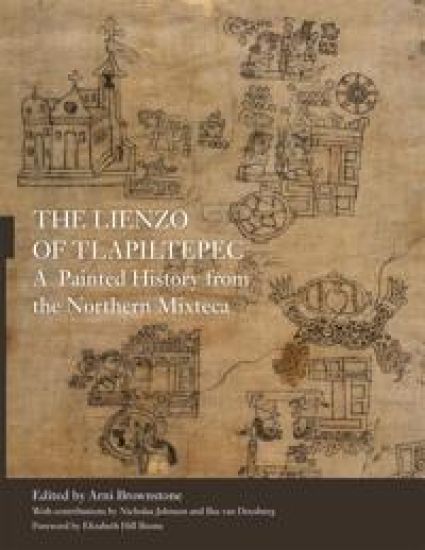
The Lienzo of Tlapiltepec

The Lienzo of Tlapiltepec

Elizabeth Hill Boone

University of Oklahoma Press
2015
nidottu
For centuries, indigenous rulers of Mesoamerica commissioned elaborate pictorial histories to maintain their claims to power, land, and privilege - a practice they continued under Spanish authority after the conquest. The Lienzo of Tlapiltepec is one such history. An intricate pictographic document on cotton cloth measuring 156 by 66.5 inches, the lienzo was produced by an Indian painter-scribe of great skill during the sixteenth century in the northern Mixteca, in the Mexican state of Oaxaca. It depicts events dating from the eleventh century to the early years of the Spanish colony. Housed since 1919 in the Royal Ontario Museum of Canada, the lienzo is a work of such complexity and reach that few scholars possess the tools to understand its message and context. The contributors to this volume are among that select few. In four chapters, front matter, and two appendices accompanied by detailed, full-color illustrations, scholars Arni Brownstone, Nicholas Johnson, Bas van Doesburg, Eckehard Dolinski, Michael Swanton, and Elizabeth Hill Boone describe what a lienzo is and how it was made. They also explain the particular origin, format, and content of the Lienzo of Tlapiltepec - as well as its place within the larger world of Mexican painted history. The contributors furthermore explore the artistry and visual experience of the work. A final essay documents past illustrations of the lienzo, including the one rendered for this book, which employed innovative processes to recover long faded colors. Unique in its detail, scope, and depth, this is the first volume to offer a full description and analysis of the Lienzo of Tlapiltepec and to grant widespread access to this extraordinary repository of history.
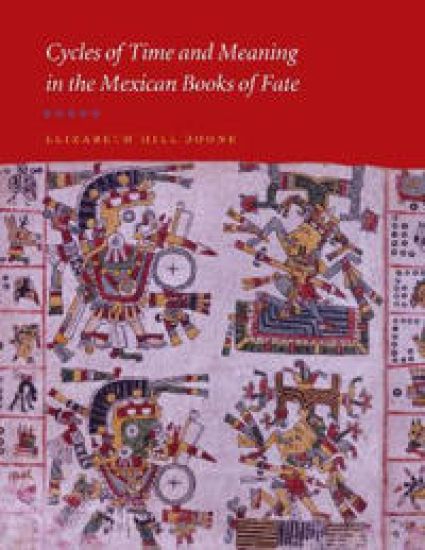
Cycles of Time and Meaning in the Mexican Books of Fate

Cycles of Time and Meaning in the Mexican Books of Fate

Elizabeth Hill Boone

University of Texas Press
2007
sidottu
In communities throughout precontact Mesoamerica, calendar priests and diviners relied on pictographic almanacs to predict the fate of newborns, to guide people in choosing marriage partners and auspicious wedding dates, to know when to plant and harvest crops, and to be successful in many of life's activities. As the Spanish colonized Mesoamerica in the sixteenth century, they made a determined effort to destroy these books, in which the Aztec and neighboring peoples recorded their understanding of the invisible world of the sacred calendar and the cosmic forces and supernaturals that adhered to time. Today, only a few of these divinatory codices survive. Visually complex, esoteric, and strikingly beautiful, painted books such as the famous Codex Borgia and Codex Borbonicus still serve as portals into the ancient Mexican calendrical systems and the cycles of time and meaning they encode.In this comprehensive study, Elizabeth Hill Boone analyzes the entire extant corpus of Mexican divinatory codices and offers a masterful explanation of the genre as a whole. She introduces the sacred, divinatory calendar and the calendar priests and diviners who owned and used the books. Boone then explains the graphic vocabulary of the calendar and its prophetic forces and describes the organizing principles that structure the codices. She shows how they form almanacs that either offer general purpose guidance or focus topically on specific aspects of life, such as birth, marriage, agriculture and rain, travel, and the forces of the planet Venus. Boone also tackles two major areas of controversy-the great narrative passage in the Codex Borgia, which she freshly interprets as a cosmic narrative of creation, and the disputed origins of the codices, which, she argues, grew out of a single religious and divinatory system.
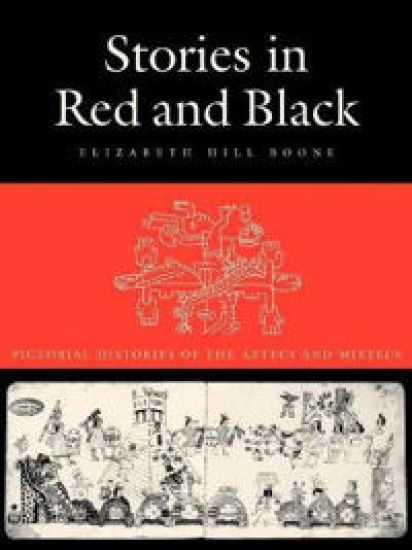
Stories in Red and Black

Stories in Red and Black

Elizabeth Hill Boone

University of Texas Press
2000
pokkari
Winner, Arvey Award, Association for Latin American Art, 2001 Honorable Mention, Honorable Mention, George Wittenborn Memorial Book Award, Art Libraries Society of North America, 2001The Aztecs and Mixtecs of ancient Mexico recorded their histories pictorially in images painted on hide, paper, and cloth. The tradition of painting history continued even after the Spanish Conquest, as the Spaniards accepted the pictorial histories as valid records of the past. Five Pre-Columbian and some 150 early colonial painted histories survive today.This copiously illustrated book offers the first comprehensive analysis of the Mexican painted history as an intellectual, documentary, and pictorial genre. Elizabeth Hill Boone explores how the Mexican historians conceptualized and painted their past and introduces the major pictorial records: the Aztec annals and cartographic histories and the Mixtec screenfolds and lienzos.Boone focuses her analysis on the kinds of stories told in the histories and on how the manuscripts work pictorially to encode, organize, and preserve these narratives. This twofold investigation broadens our understanding of how preconquest Mexicans used pictographic history for political and social ends. It also demonstrates how graphic writing systems created a broadly understood visual "language" that communicated effectively across ethnic and linguistic boundaries.