

Kirjailija
Elizabeth Kolbert
Kirjat ja teokset yhdessä paikassa: 29 kirjaa, julkaisuja vuosilta 2014-2026, suosituimpien joukossa Under a White Sky: The Nature of the Future. Vertaile teosten hintoja ja tarkista saatavuus suomalaisista kirjakaupoista.
29 kirjaa
Kirjojen julkaisuhaarukka 2014-2026.

VINNER AV PULITZER-PRISEN 2015, I KATEGORIEN "GENERELL SAKPROSA" KÅRET TIL EN AV ÅRETS 10 BESTE BØKER AV NEW YORK TIMES BOOK REVIEW PRESIDENT OBAMAS FERIELEKTYRE EN INTERNASJONAL BESTSELGER En skjellsettende bok om verdens fremtid: Elizabeth Kolberts velbalanserte blanding av idéhistorie, naturhistorie og feltreportasje er en sterk skildring av masseutryddelsen som er i ferd med å skje verden over. I løpet av de siste 500 millioner år har det vært fem masseutryddelser-perioder hvor jordens artsmangfold plutselig og på dramatisk vis ble betraktelig lavere. Forskere over hele verden overvåker nå den sjette utryddelsen, som spås å bli den mest ødeleggende slike hendelsen siden asteroiden som utryddet dinosaurene. Denne gangen er det vi som står for katastrofen. Med en fortellerstil som samtidig er både ærlig, underholdende og svært velinformert, forteller den prisbelønnede vitenskapsjournalisten Elizabeth Kolbert oss her hvorfor og hvordan mennesker har endret livet på jorden på måter som ingen annen art noensinne har gjort. Hun vever sammen forskning gjort i et titalls fagfelt, beskrivelser av fascinerende arter som allerede er gått tapt, og historien bak utryddelse som begrep. Resultatet er en fengslende beretning om det ubegripelige tapet av mangfold som inntreffer like foran øynene på oss. .Det er nesten for galt å si at man blir glad av å lese en bok om artsutryddelse," skriver den kjente biologen Dag Hessen i sitt begeistrede forord til den norske utgaven, .men Den sjette utryddelsen er en slik bok-på tross av budskapet." Kolbert viser at den sjette utryddelsen med all sannsynlighet vil bli menneskehetens mest varige arv, og får oss til å se på verden-og hva det innebærer å være menneske-med nye øyne.

VINNER AV PULITZER-PRISEN 2015, I KATEGORIEN "GENERELL SAKPROSA" KÅRET TIL EN AV ÅRETS 10 BESTE BØKER AV NEW YORK TIMES BOOK REVIEW PRESIDENT OBAMAS FERIELEKTYRE EN INTERNASJONAL BESTSELGER En skjellsettende bok om verdens fremtid: Elizabeth Kolberts velbalanserte blanding av idéhistorie, naturhistorie og feltreportasje er en sterk skildring av masseutryddelsen som er i ferd med å skje verden over. I løpet av de siste 500 millioner år har det vært fem masseutryddelser-perioder hvor jordens artsmangfold plutselig og på dramatisk vis ble betraktelig lavere. Forskere over hele verden overvåker nå den sjette utryddelsen, som spås å bli den mest ødeleggende slike hendelsen siden asteroiden som utryddet dinosaurene. Denne gangen er det vi som står for katastrofen. Med en fortellerstil som samtidig er både ærlig, underholdende og svært velinformert, forteller den prisbelønnede vitenskapsjournalisten Elizabeth Kolbert oss her hvorfor og hvordan mennesker har endret livet på jorden på måter som ingen annen art noensinne har gjort. Hun vever sammen forskning gjort i et titalls fagfelt, beskrivelser av fascinerende arter som allerede er gått tapt, og historien bak utryddelse som begrep. Resultatet er en fengslende beretning om det ubegripelige tapet av mangfold som inntreffer like foran øynene på oss. .Det er nesten for galt å si at man blir glad av å lese en bok om artsutryddelse," skriver den kjente biologen Dag Hessen i sitt begeistrede forord til den norske utgaven, .men Den sjette utryddelsen er en slik bok-på tross av budskapet." Kolbert viser at den sjette utryddelsen med all sannsynlighet vil bli menneskehetens mest varige arv, og får oss til å se på verden-og hva det innebærer å være menneske-med nye øyne.
Field Notes from a Catastrophe: Man, Nature, and Climate Change
Elizabeth Kolbert
Bloomsbury USA
2015
nidottu
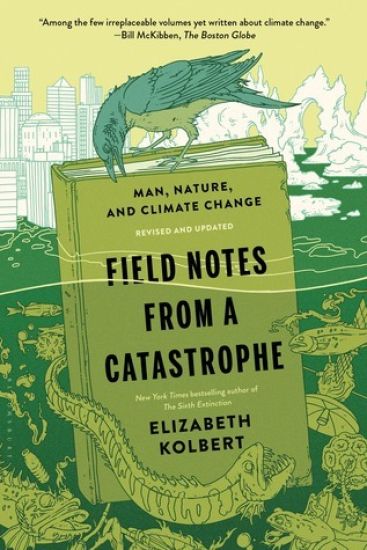
A new edition of the book that launched Elizabeth Kolbert's career as an environmental writer--updated with three new chapters, making it, yet again, "irreplaceable" (Boston Globe). Elizabeth Kolbert's environmental classic Field Notes from a Catastrophe first developed out of a groundbreaking, National Magazine Award-winning three-part series in The New Yorker. She expanded it into a still-concise yet richly researched and damning book about climate change: a primer on the greatest challenge facing the world today. But in the years since, the story has continued to develop; the situation has become more dire, even as our understanding grows. Now, Kolbert returns to the defining book of her career. She has added a chapter bringing things up-to-date on the existing text, plus three new chapters--on ocean acidification, the tar sands, and a Danish town that's gone carbon neutral--making it, again, a must-read for our moment.
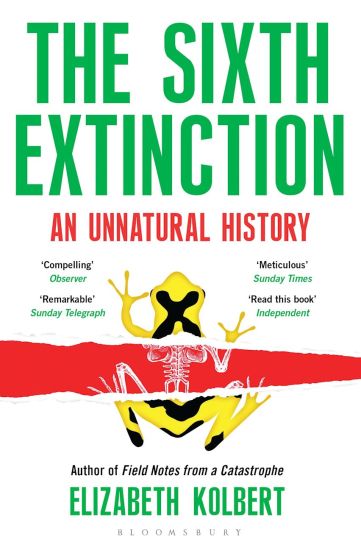
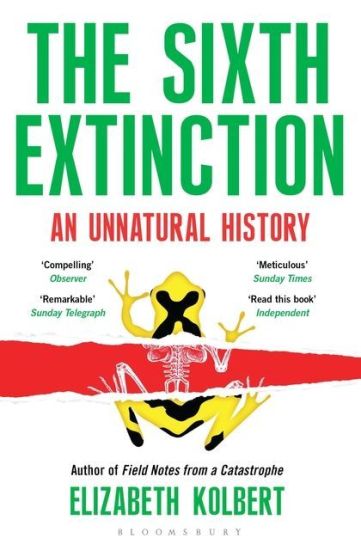
Over the last half a billion years, there have been five mass extinctions of life on earth. Scientists around the world are currently monitoring the sixth, predicted to be the most devastating extinction event since the asteroid impact that wiped out the dinosaurs. Elizabeth Kolbert combines brilliant field reporting, the history of ideas and the work of geologists, botanists and marine biologists to tell the gripping stories of a dozen species - including the Panamanian golden frog and the Sumatran rhino - some already gone, others at the point of vanishing. The sixth extinction is likely to be mankind's most lasting legacy and Elizabeth Kolbert's book urgently compels us to rethink the fundamental question of what it means to be human.
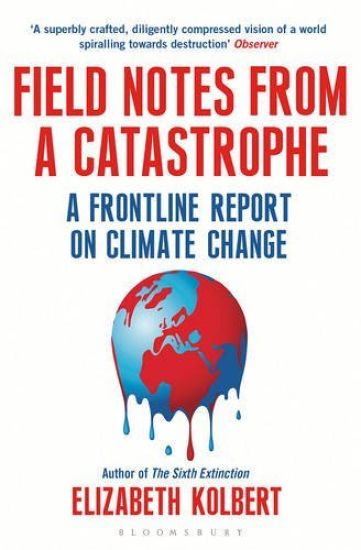
_________________‘A superbly crafted, diligently compressed vision of a world spiralling towards destruction' - Observer‘Kolbert mesmerises with her poetic cadence in this riveting view of the apocalypse already upon us' - Robert F. Kennedy, Jr.‘The most frightening book I've read this century' - Times Literary Supplement_________________Elizabeth Kolbert's environmental classic Field Notes from a Catastrophe first developed out of a groundbreaking, award-winning three-part series in The New Yorker. She expanded it into a still-concise yet richly researched and damning book about climate change: a primer on the greatest challenge facing the world today. In the years since, the story has continued to develop; the situation has become more dire, even as our understanding of it grows. Now Kolbert returns to the defining book of her career, with new chapters on ocean acidification, the tar sands, and a Danish town that's gone carbon neutral. Field Notes from a Catastrophe remains as necessary as ever, and a must-read for our moment.
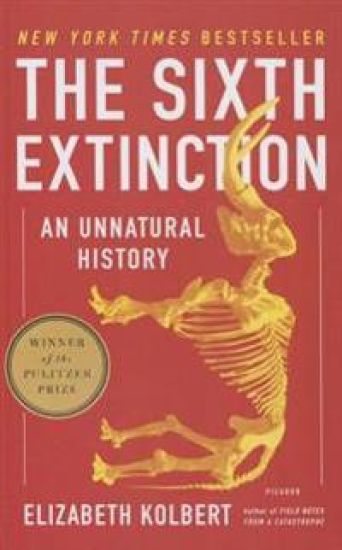
WINNER OF THE PULITZER PRIZE ONE OF THE "NEW YORK TIMES BOOK REVIEW"'S 10 BEST BOOKS OF THE YEAR A "NEW YORK TIMES" BESTSELLER A NATIONAL BOOK CRITICS CIRCLE AWARD FINALIST A major book about the future of the world, blending intellectual and natural history and field reporting into a powerful account of the mass extinction unfolding before our eyes Over the last half-billion years, there have been Five mass extinctions, when the diversity of life on earth suddenly and dramatically contracted. Scientists around the world are currently monitoring the sixth extinction, predicted to be the most devastating extinction event since the asteroid impact that wiped out the dinosaurs. This time around, the cataclysm is us. In prose that is at once frank, entertaining, and deeply informed, "New Yorker" writer Elizabeth Kolbert tells us why and how human beings have altered life on the planet in a way no species has before. Interweaving research in half a dozen disciplines, descriptions of the fascinating species that have already been lost, and the history of extinction as a concept, Kolbert provides a moving and comprehensive account of the disappearances occurring before our very eyes. She shows that the sixth extinction is likely to be mankind's most lasting legacy, compelling us to rethink the fundamental question of what it means to be human.
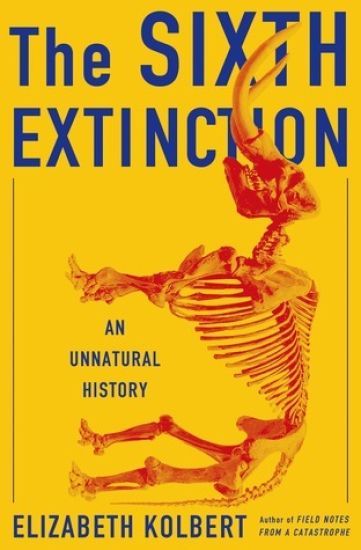
WINNER OF THE PULITZER PRIZEONE OF THE NEW YORK TIMES BOOK REVIEW'S 10 BEST BOOKS OF THE YEARA NEW YORK TIMES BESTSELLERA NATIONAL BOOK CRITICS CIRCLE AWARD FINALISTA major book about the future of the world, blending intellectual and natural history and field reporting into a powerful account of the mass extinction unfolding before our eyes Over the last half a billion years, there have been five mass extinctions, when the diversity of life on earth suddenly and dramatically contracted. Scientists around the world are currently monitoring the sixth extinction, predicted to be the most devastating extinction event since the asteroid impact that wiped out the dinosaurs. This time around, the cataclysm is us. In The Sixth Extinction, two-time winner of the National Magazine Award and New Yorker writer Elizabeth Kolbert draws on the work of scores of researchers in half a dozen disciplines, accompanying many of them into the field: geologists who study deep ocean cores, botanists who follow the tree line as it climbs up the Andes, marine biologists who dive off the Great Barrier Reef. She introduces us to a dozen species, some already gone, others facing extinction, including the Panamian golden frog, staghorn coral, the great auk, and the Sumatran rhino. Through these stories, Kolbert provides a moving account of the disappearances occurring all around us and traces the evolution of extinction as concept, from its first articulation by Georges Cuvier in revolutionary Paris up through the present day. The sixth extinction is likely to be mankind's most lasting legacy; as Kolbert observes, it compels us to rethink the fundamental question of what it means to be human.