Kirjojen hintavertailu. Mukana 12 390 323 kirjaa ja 12 kauppaa.

Kirjailija

Elizabeth McGrath

Kirjat ja teokset yhdessä paikassa: 7 kirjaa, julkaisuja vuosilta 1997-2026, suosituimpien joukossa Mythological Subjects, Paris to Venus. Vertaile teosten hintoja ja tarkista saatavuus suomalaisista kirjakaupoista.

7 kirjaa

Kirjojen julkaisuhaarukka 1997-2026.

Works in Collaboration

Works in Collaboration

Anne T Woollett; Nils Buttner; Elizabeth McGrath; Alexandra N Bauer

BREPOLS N.V.
2025
sidottu
Peter Paul Rubens already had assistants working for him in his studio when he first gained admission to the Antwerp Guild of St Luke in 1598. At this period too he began to co-operate with other masters, such as Jan Brueghel the Elder; a separate volume, dedicated to that collaboration, was published in 2016 (Corpus Rubenianum Ludwig Burchard, XXVII (1): Jan Brueghel I & II). On his return from Italy in 1609, not only did Rubens's studio assistants increase in number, so too did the co-operative projects that the artist undertook. Rubens continued to work with Jan Brueghel the Elder until 1621. When Brueghel died in 1625, his son Jan continued the partnership with Rubens until the latter's death in 1640.
The Couples’ Kama Sutra

The Couples’ Kama Sutra

Elizabeth McGrath

Sonoma Press
2016
nidottu
"The Couples' Kama Sutra offers a fresh, playful, and educational take on the sexual positions of the Kama Sutra. With drawings and simple exercises, any couple or individual can use the tools in this book to turn the heat up and deepen connection."--Keeley Rankin, sex and relationship coach, co-founder of BetterSexEd.org, co-founder of SexAsMeditation.com Sex is fun. It feels good and brings us closer together. But for many of us, the sex we're having doesn't deliver the excitement and connection it used to. For hundreds of years, the Kama Sutra has offered a timeless structure for exploring sex. The Couples' Kama Sutra goes one step further by introducing you to sexual experimentation, inspiring confidence in your body, and laying the foundation for incredible sex that deepens your relationship.41 beautifully illustrated, intensely erotic sex positions help you delve into the deepest layers of your relationshipExpert guidance from a practicing sex therapist with more than a decade of experience combines the principles of the Kama Sutra with the latest research in sexualitySimple exercises explore the 5 most preferred modes of Kama Sutra sex --Intimate, Powerful, Energetic, Racy, PlayfulStraightforward advice for openly communicating your desires and introducing new pleasures such as sex toys, bondage, and role-playStop waiting for things to change and start having sex that makes you feel the way you want to feel with The Couples' Kama Sutra. Let sex therapist Elizabeth McGrath show you how she has helped more than a thousand clients unlock new passions in their sex lives...and how you can do the same.
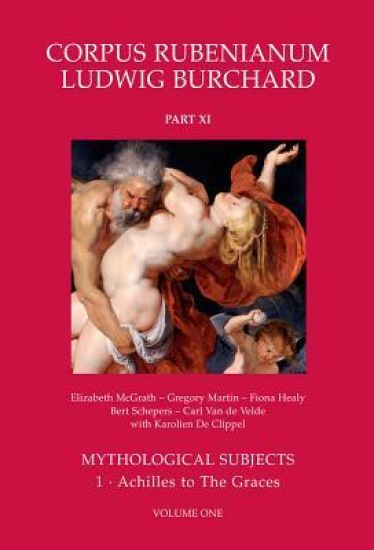
Mythological Subjects

Mythological Subjects

Elizabeth McGrath; Gregory Martin; Fiona Healy; Bert Schepers; Carl Van de Velde

Harvey Miller Publishers
2016
sidottu
One remarkable feature of European culture as it developed in the Renaissance was the accommodation it made with ancient paganism. The classical gods and their legends were allegorised, transformed into symbolic figures or emblematic scenes that might accord with Christian morality. At the same time a secular space was created in art for the depiction of the most popular myths, above all the love stories recounted by the ancient poets. These stories were not only attractive in themselves; they offered the opportunity to depict nude figures in narrative action, which the example of antiquity held forth as the highest goal for painting. Rubens was one of the greatest creators of classical allegory; he was also a supreme interpreter of the classical stories. No painter was so at home in the literature of the Greeks and Romans. When he painted for pleasure, which, increasingly in the course of his life, he felt able to do, he used pagan myth to express and celebrate themes of love, beauty and the creative forces of nature, often in wonderfully idiosyncratic ways. At the same time, as a Christian committed to the ideals of the Catholic Reformation, Rubens respected the restrictions generally placed on the depiction of pagan tales. Most of his mythological paintings were made for private settings, for display within houses (including his own) or in the galleries of princes, noblemen and prelates. It is happy accident of history that these splendid paintings are now widely visible in the great museums of the world.