Kirjojen hintavertailu. Mukana 12 595 353 kirjaa ja 12 kauppaa.
Kirjailija
Elizabeth Poole
Kirjat ja teokset yhdessä paikassa: 7 kirjaa, julkaisuja vuosilta 2002-2026, suosituimpien joukossa Andy the Alligator Adapts to Change. Vertaile teosten hintoja ja tarkista saatavuus suomalaisista kirjakaupoista.
This book brings an important social/emotional skill to life with the adorable character of Andy the Alligator. Follow Andy the Alligator on his adventure as he learns how to adapt when everything is new and different. Children will be inspired to adapt to changes in their own life whether it is welcoming a new member to the family, trying new foods, or moving to a new home. This book is also used in the Alphabet Troop curriculum. Alphabet Troop is committed to helping children play, learn, dream, and grow with self-confidence and kindness one story at a time.
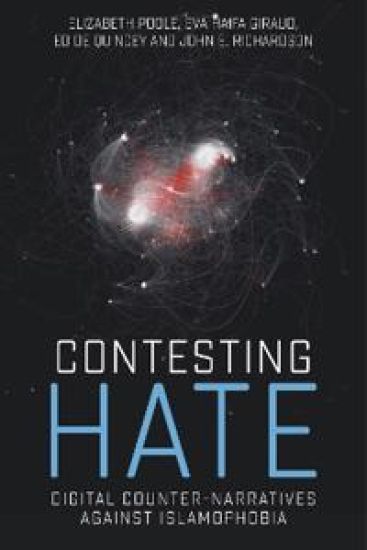
Contesting hate draws on a unique five-year dataset, which includes social media data, interviews with digital activists and mainstream media analysis, generated by the project ‘#ContestingIslamophobia: Representation and Appropriation in Mediated Activism’. This book provides an in-depth analysis of how social media have been used to contest the circulation of racialised Islamophobia, in relation to a range of events wherein Islamophobic narratives have been yoked to white supremacism, Hindu nationalism and polarising ‘culture wars’ debates. Focusing on archetypal ‘trigger events’ that have resulted in the intensification of Islamophobic discourse — the Christchurch white supremacist terrorist attacks, Brexit and the Covid-19 pandemic — we identify key actors and networks involved in these narratives, and foreground successful (and less successful) counter-narrative tactics for contesting hate. In the process, we set out a new theoretical and methodological framework for conceptualising and researching digital discrimination and activism.
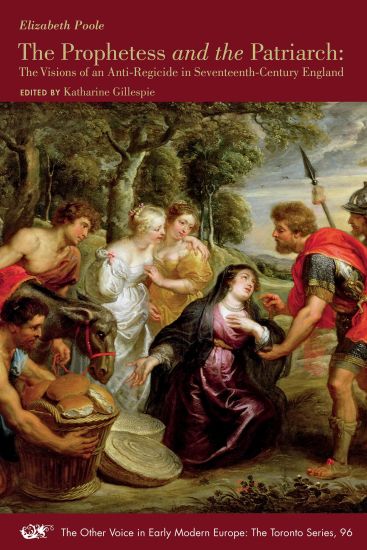
Published for the first time in full, a common woman’s writings reveal the startling role she played in England’s revolt against the monarchy. In 1649, a seamstress named Elizabeth Poole appeared at the Whitehall debates in London to prophesy in front of Parliament’s army shortly after it had defeated the crown in the English civil wars. Invited to help deliberate the fate of Charles I, Poole advised the army to spare the king’s life but to put him on trial for tyranny and to enter into a new compact with the people. After her visions proved controversial, she was defamed as a prostitute and a witch. She retaliated by printing her prophecies, along with two new defenses of her original revelations. This collection publishes Poole’s pamphlets in full for the first time.
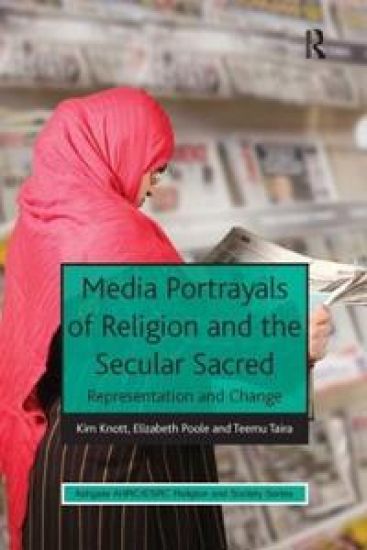
Is it true that Christianity is being marginalised by the secular media, at the expense of Islam? Are the mass media Islamophobic? Is atheism on the rise in media coverage? Media Portrayals of Religion and the Secular Sacred explores such questions and argues that television and newspapers remain key sources of popular information about religion. They are particularly significant at a time when religious participation in Europe is declining yet the public visibility and influence of religions seems to be increasing. Based on analysis of mainstream media, the book is set in the context of wider debates about the sociology of religion and media representation. The authors draw on research conducted in the 1980s and 2008-10 to examine British media coverage and representation of religion and contemporary secular values, and to consider what has changed in the last 25 years. Exploring the portrayal of Christianity and public life, Islam and religious diversity, atheism and secularism, and popular beliefs and practices, several media events are also examined in detail: the Papal visit to the UK in 2010 and the ban of the controversial Dutch MP, Geert Wilders, in 2009. Religion is shown to be deeply embedded in the language and images of the press and television, and present in all types of coverage from news and documentaries to entertainment, sports reporting and advertising. A final chapter engages with global debates about religion and media.
Is it true that Christianity is being marginalised by the secular media, at the expense of Islam? Are the mass media Islamophobic? Is atheism on the rise in media coverage? Media Portrayals of Religion and the Secular Sacred explores such questions and argues that television and newspapers remain key sources of popular information about religion. They are particularly significant at a time when religious participation in Europe is declining yet the public visibility and influence of religions seems to be increasing. Based on analysis of mainstream media, the book is set in the context of wider debates about the sociology of religion and media representation. The authors draw on research conducted in the 1980s and 2008-10 to examine British media coverage and representation of religion and contemporary secular values, and to consider what has changed in the last 25 years. Exploring the portrayal of Christianity and public life, Islam and religious diversity, atheism and secularism, and popular beliefs and practices, several media events are also examined in detail: the Papal visit to the UK in 2010 and the ban of the controversial Dutch MP, Geert Wilders, in 2009. Religion is shown to be deeply embedded in the language and images of the press and television, and present in all types of coverage from news and documentaries to entertainment, sports reporting and advertising. A final chapter engages with global debates about religion and media.
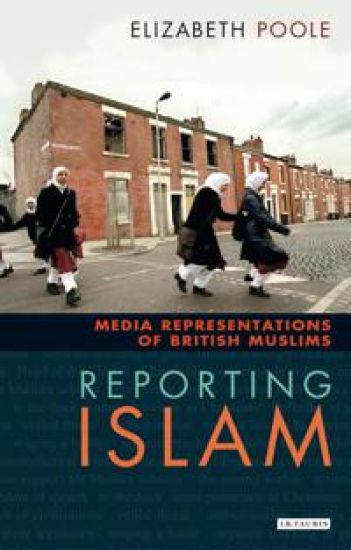
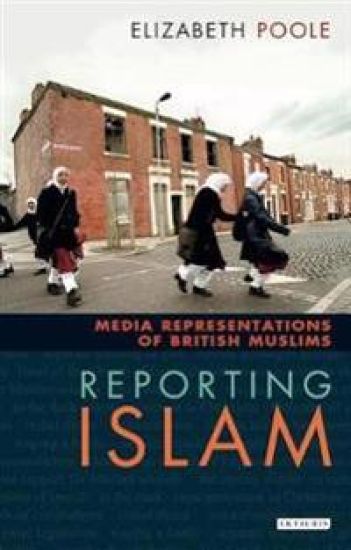
It is a widely held view that, since the end of the Cold War, attention has focused on Islam as a central force of disruption within a New World Order. Nothing has heightened this more than the assault on the World Trade Center and Pentagon, and the reporting of these events. Reporting Islam is a timely contribution to this debate which looks at the ways in which Muslims are represented in the British news media. Elizabeth Poole examines the claim that Muslims are universally demonized in the British press and comes to some illuminating conclusions. Reporting Islam is of great value to students of media, cultural studies, Islamic studies and politics.
It is a widely held view that, since the end of the Cold War, attention has focused on Islam as a central force of disruption within a New World Order. Nothing has heightened this more than the assault on the World Trade Center and Pentagon, and the reporting of these events. Reporting Islam is a timely contribution to this debate which looks at the ways in which Muslims are represented in the British news media. Elizabeth Poole examines the claim that Muslims are universally demonized in the British press and comes to some illuminating conclusions. Reporting Islam is of great value to students of media, cultural studies, Islamic studies and politics.