Kirjojen hintavertailu. Mukana 12 390 323 kirjaa ja 12 kauppaa.

Kirjailija

Ellen Gruber Garvey

Kirjat ja teokset yhdessä paikassa: 3 kirjaa, julkaisuja vuosilta 1996-2012, suosituimpien joukossa Writing with Scissors. Vertaile teosten hintoja ja tarkista saatavuus suomalaisista kirjakaupoista.

3 kirjaa

Kirjojen julkaisuhaarukka 1996-2012.

Writing with Scissors

Writing with Scissors

Ellen Gruber Garvey

Oxford University Press Inc
2012
nidottu
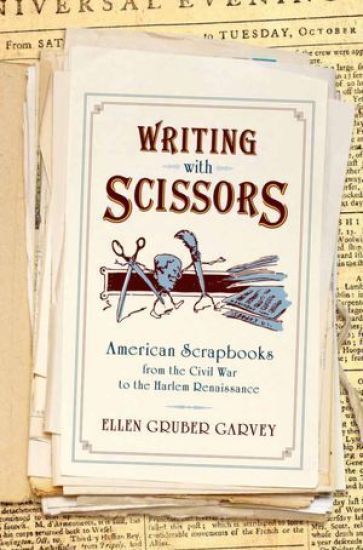
Men and women 150 years ago grappled with information overload by making scrapbooksthe ancestors of Google and blogging. From Abraham Lincoln to Susan B. Anthony, African American janitors to farmwomen, abolitionists to Confederates, people cut out and pasted down their reading. Writing with Scissors opens a new window into the feelings and thoughts of ordinary and extraordinary Americans. Like us, nineteenth-century readers spoke back to the media, and treasured what mattered to them. In this groundbreaking book, Ellen Gruber Garvey reveals a previously unexplored layer of American popular culture, where the proliferating cheap press touched the lives of activists and mourning parents, and all who yearned for a place in history. Scrapbook makers documented their feelings about momentous public events such as living through the Civil War, mediated through the newspapers. African Americans and women's rights activists collected, concentrated, and critiqued accounts from a press that they did not control to create "unwritten histories" in books they wrote with scissors. Whether scrapbook makers pasted their clippings into blank books, sermon collections, or the pre-gummed scrapbook that Mark Twain invented, they claimed ownership of their reading. They created their own democratic archives. Writing with Scissors argues that people have long had a strong personal relationship to media. Like newspaper editors who enthusiastically "scissorized" and reprinted attractive items from other newspapers, scrapbook makers passed their reading along to family and community. This book explains how their scrapbooks underlie our present-day ways of thinking about information, news, and what we do with it.
Writing with Scissors

Writing with Scissors

Ellen Gruber Garvey

Oxford University Press Inc
2012
sidottu
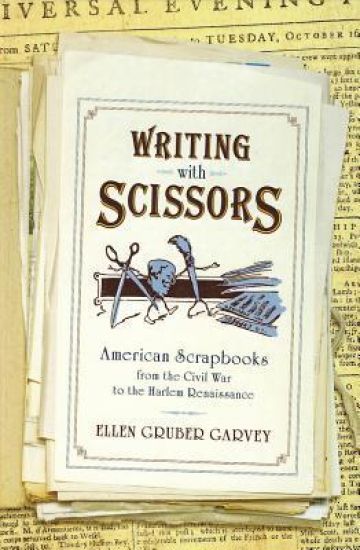
Scrapbooks have been around since printed matter began to flow into the lives of ordinary people, a flow that became an ocean in nineteenth-century America. Though libraries can show us the vast archive--literally thousands of dailies, weeklies, monthlies, quarterlies, and annuals were flooding the public once mass-circulation was common--we have little knowledge of what, and particularly how people read. Writing with Scissors follows swimmers through that first ocean of print. We know that thousands of people were making meaning out of the swirl of paper that engulfed them. Ordinary readers processed the materials around them, selected choice examples, and created book-like collections that proclaimed the importance of what they read. Writing with Scissors explores the scrapbook making practices of men and women who had varying positions of power and access to media. It considers what the bookmakers valued and what was valued by the people or institutions that sheltered them over time. It compares nineteenth-century scrapbooking methods with current techniques for coping with an abundance of new information on the Web, such as bookmarks, favorites lists, and links. The book is part of a developing literature in cultural studies and book history exploring reading practices of ordinary readers. Scholars interested in the burgeoning field of print culture have not yet taken full advantage of scrapbooks, these great repositories of American memory. Rather than just using evidence from scrapbooks, Garvey turns to the scrapbook as a genre on its own. Her book offers a fascinating view of the semi-permeable border between public and domestic realms, illuminating the ongoing negotiation between readers and the press.
The Adman in the Parlor

The Adman in the Parlor

Ellen Gruber Garvey

Oxford University Press Inc
1996
nidottu
How did advertising come to seem natural and ordinary to magazine readers by the end of the nineteenth century? The Adman in the Parlor explores readers' interactions with advertising during a period when not only consumption but advertising itself became established as a pleasure. Garvey argues that readers' participation in advertising, rather than top-down dictation by advertisers, made advertizing a central part of American culture. Garvey's analysis interweaves such texts and artifacts as advertising trade journals, magazines addressed to elite, middle class, and poorer readerships, scrapbooks, medical articles, paper dolls, chromolithographed trade cards, and contest rules. She tracks new forms of fictional realism that contained brand name references, courtship stories, and other fictional forms. As magazines became dependant on advertising rather than sales for their revenues, women's magazines led the way in making consumers of readers through the interplay of fiction, editorials, and advertising. General magazines, too, saw little conflict between these different interests. Instead, advertising and fiction came to act on one another in complex, unexpected ways. Magazine stories illustrated the multiple desires and social meanings embodied in the purchase of a product. Garvey takes the bicycle as a case study, and tracks how magazines mediated among competing medical, commercial, and feminist discourses to produce an alluring and unthreatening model of women bicycling in their stories. Advertising formed the national vocabulary. At once invisible, familiar, and intrusive, advertising both shaped fiction of the period and was shaped by it. The Adman in the Parlor unearths the lively conversations among writers and advertisers about the new prevalence of advertising for mass-produced, nationally distributed products.