Kirjojen hintavertailu. Mukana 12 390 323 kirjaa ja 12 kauppaa.
Kirjailija
Emil Leth Meilvang
Kirjat ja teokset yhdessä paikassa: 6 kirjaa, julkaisuja vuosilta 2018-2025, suosituimpien joukossa Ny Jord 3-4. Vertaile teosten hintoja ja tarkista saatavuus suomalaisista kirjakaupoista.
Andreas Malm; Margaret Mead; Emil Leth Meilvang; Peter Handke; Rune Engelbreht Larsen; Christoffer Basse Eriksen; Simone Weil; Anders Dunker; Francisco Goya; Liv Sejrbo Lidegaard; Arno Schmidt; Phillip Martinussen; Walt Whitman; Emil Bønnelycke; Signe Gjessing; Daniel Flendt Dreesen; Gaston Bachelard; Jørn H. Sværen; Michael Stoltze; Lao Zi; Ursula K. Le Guin; Peter Sloterdijk; Oliver Bak; Anna Marie Ortese; Edith Södergran; August Strindberg; C.Y. Frostholm; Lea Marie Løppenthin; Max Klinger; Charles Sanders Peirce
Ny Jord – Tidsskrift for naturkritik er et multidisciplinært tidsskrift, der orienterer sig på tværs af århundreder og landegrænser og bringer videnskab, litteratur og kunst side om side i ønsket om at bidrage til en kvalificeret samtale om naturen i en tid, hvor vores forestillinger og idéer om den ændres markant.
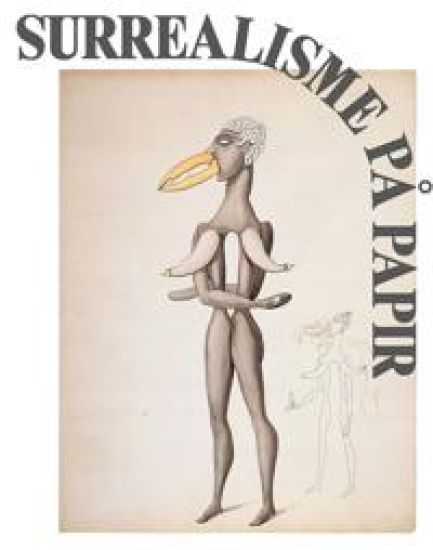
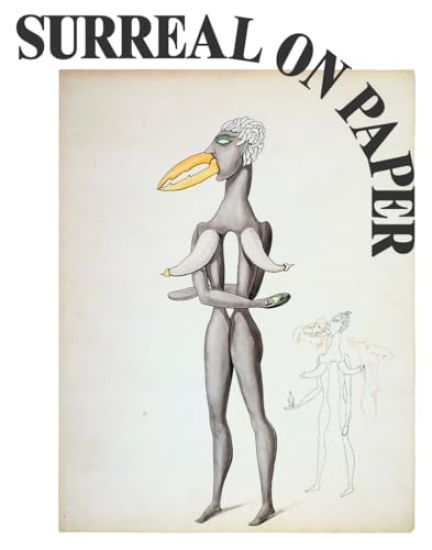
Få af den moderne kunsts avantgardebevægelser har haft samme betydning for eftertiden som surrealismen. Da den nye kunstneriske retning tog form i 1920’ernes Paris, placerede surrealisterne værker på papir i hjertet af deres kunstneriske praksis. Igennem tegninger, skitser, collager og kollektivværker undersøgte de det ubevidste og impulsive. Bogen ledsager udstillingen Surrealisme på papir på Statens Museum for Kunst, der præsenterer et bredt udvalg af surrealistiske værker på papir af nogle af bevægelsens hovedskikkelser. På godt 100 års afstand inviteres vi ind i dette særlige univers igennem en lang række værker og fire tekster, der stiller skarpt på bevægelsens aktualitet i nutiden og dens forhold til køn, biologi, natur og det okkulte.
Few movements in modern avant-garde art have had as lasting an impact as Surrealism. When this new artistic current first emerged in Paris in the 1920s, the Surrealists placed works on paper at the very core of their creative practice. Through drawings, sketches, collages, and collaborative pieces, they explored the realms of the unconscious and the instinctive. This book accompanies the exhibition Surreal on Paper at the SMK – National Gallery of Denmark in Copenhagen. The exhibition presents a wide-ranging collection of Surrealist works on paper by some of the movement’s key figures. A century on, we are invited to re-enter this unique world through a wealth of artworks and through the insights of four scholars who examine Surrealism’s relevance today and its intersections with gender, biology, nature, and the occult.
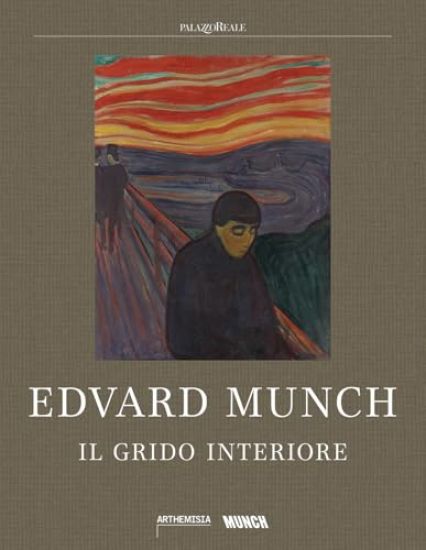
The jarring emptiness following the loss of a loved one, the expansive out-of-body sensation of sensual touch, the lassitude of melancholy and the ecstatic receptivity to sunshine. His ability to capture and convey sensation and feelings through the materials of art, places the Norwegian artist Edvard Munch (1863–1944) at the forefront of European art at the turn of the last century. Interestingly, Munch’s artistic exploration of perception, and his persistent questioning of the objectivity of vision, intersect with ideas that matured within the fields of psychology and experimental optics at the time. Edvard Munch: Il Grido Interiore examines these connections, demonstrating his continuing exploration of the conditions of sight. The essays in this catalogue examine this phenomenon while also probing a lesser-known aspect of the artist’s work: Munch’s relationship to Italy. The first essay, Lasse Jacobsen’s ‘Edvard Munch. Italian Impressions’, explores this connection explicitly, as part of a general overview of Munch’s life and work. The second text, ‘Reflections in Munch’s Inner Eye’ by Patricia G. Berman, charts the art historical context of Munch’s exploration of experience’s subjective dimension. Emil Leth Meilvang’s ‘Seeing without Sight. Munch’s Vision’, on its part, explores the relationship between Munch’s artistic development and simultaneous developments within the perceptual sciences. Edvard Munch:Il Grido Interiore includes essayistic pieces by authors Melania G. Mazzucco and Hanne Ørstavik: ‘I am a Romantic’ and ‘Who Am I’. Each demonstrates Munch’s continuing ability to light the inner fires of other artists. Text in Italian.
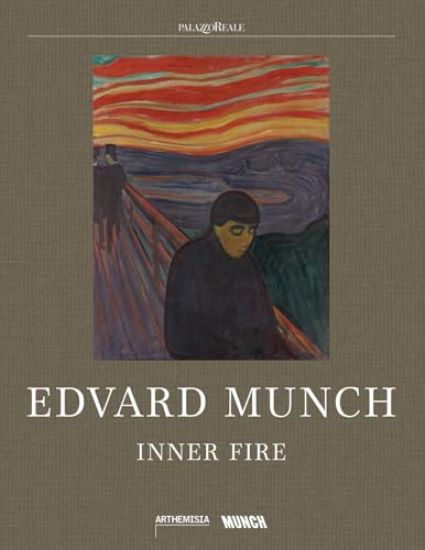
The jarring emptiness following the loss of a loved one, the expansive out-of-body sensation of sensual touch, the lassitude of melancholy and the ecstatic receptivity to sunshine. His ability to capture and convey sensation and feelings through the materials of art, places the Norwegian artist Edvard Munch (1863–1944) at the forefront of European art at the turn of the last century. Interestingly, Munch’s artistic exploration of perception, and his persistent questioning of the objectivity of vision, intersect with ideas that matured within the fields of psychology and experimental optics at the time. Edvard Munch: Inner Fire examines these connections, demonstrating his continuing exploration of the conditions of sight. The essays in this catalogue examine this phenomenon while also probing a lesser-known aspect of the artist’s work: Munch’s relationship to Italy. The first essay, Lasse Jacobsen’s ‘Edvard Munch. Italian Impressions’, explores this connection explicitly, as part of a general overview of Munch’s life and work. The second text, ‘Reflections in Munch’s Inner Eye’ by Patricia G. Berman, charts the art historical context of Munch’s exploration of experience’s subjective dimension. Emil Leth Meilvang’s ‘Seeing without Sight. Munch’s Vision’, on its part, explores the relationship between Munch’s artistic development and simultaneous developments within the perceptual sciences. Edvard Munch. Inner Fire includes essayistic pieces by authors Melania G. Mazzucco and Hanne Ørstavik: ‘I am a Romantic’ and ‘Who Am I’. Each demonstrates Munch’s continuing ability to light the inner fires of other artists.
Min film fødes først i mit hoved, dør pa° papiret, genoplives af de levende personer og de virkelige objekter, som jeg bruger, og som dør pa° filmstrimlen, men som, arrangeret i en særlig orden og projiceret pa° lærredet, vækkes til live igen som blomster i vand. * Model. Hans permanens: altid den samme ma°de at være anderledes pa°. * Grav dybt i din sansning. Se hvad der er pa° indersiden. Analyser den ikke med ord. Oversæt den til søsterbilleder, til ækvivalente lyde. Desto klarere den er, desto tydeligere viser din stil sig. (Stil: alt hvad der ikke er teknik.)