Kirjojen hintavertailu. Mukana 12 595 353 kirjaa ja 12 kauppaa.

Kirjailija

Emile Puech

Kirjat ja teokset yhdessä paikassa: 2 kirjaa, julkaisuja vuosilta 1997-2015, suosituimpien joukossa The Copper Scroll Revisited. Vertaile teosten hintoja ja tarkista saatavuus suomalaisista kirjakaupoista.

Mukana myös kirjoitusasut: Émile Puech

2 kirjaa

Kirjojen julkaisuhaarukka 1997-2015.

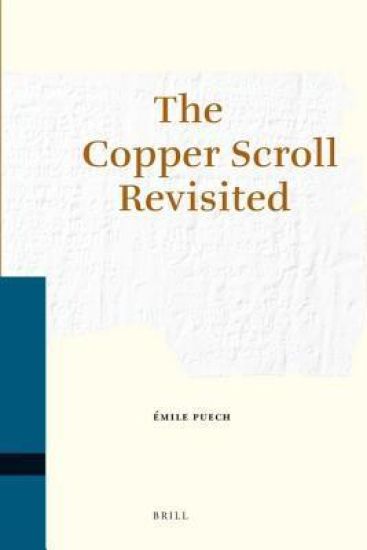
The Copper Scroll Revisited
This book is the English translation of the new edition of the Copper Scroll of Qumran Cave 3 (3Q15). The restoration of the three sheets of copper by the Mécénat of the French Electric Company (EDF) in the 1990s made an improved decipherment possible. The physical restoration of the complete scroll is published in the two large volumes of the French edition accompanied by many photographs and drawings, which the reader will find to be sufficient. Le Rouleau de cuivre de la Grotte 3 de Qumrân (3Q15). Expertise - Restauration - Épigraphie. Volume I - Texte, Volume II - Planches (2006). The English translation of the new edition of the engraved text will favor easier access to the new results for a wider public.

Discoveries in the Judaean Desert: Volume XXII. Qumran Cave 4: XVII

Discoveries in the Judaean Desert: Volume XXII. Qumran Cave 4: XVII

George Brooke; John Collins; Torleif Elgvin; Peter Flint; Jonas Greenfield; Erik Larson; Carol Newsom; Émile Puech; Lawrence Schiffman; Michael Stone; Julio Trebolle Barrera

Clarendon Press
1997
sidottu
This volume contains a collection of compositions from Cave 4 at Qumran, written during the Second Temple period and linked to biblical texts through characters, themes, or genre. Some of these, such as the Levi Aramaic Document, Testament of Naphtali, and Prayer of Nabonidus, were known previously from Greek and Aramaic manuscripts of the Apocrypha. The additional documents include PseudoDaniel, the Commentaries on Genesis, Commentary on Malachi, Apocryphon of Joshua, The Two Ways, Apocryphon of Elisha, Prayer of Mercy, and a number of small miscellaneous texts. All these documents greatly enhance our understanding of the phenomenon of psuedepigraphy (written in the name of a famous biblical or religious character) and of biblical interpretation during the Second Temple period.