Kirjailija
Emily Post
Kirjat ja teokset yhdessä paikassa: 50 kirjaa, julkaisuja vuosilta 1922-2025, suosituimpien joukossa Emily Post's Etiquette. Vertaile teosten hintoja ja tarkista saatavuus suomalaisista kirjakaupoista.
50 kirjaa
Kirjojen julkaisuhaarukka 1922-2025.





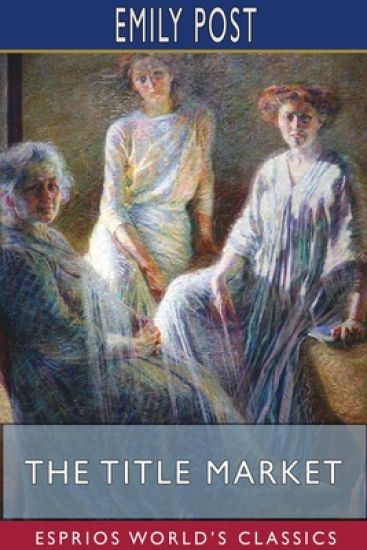
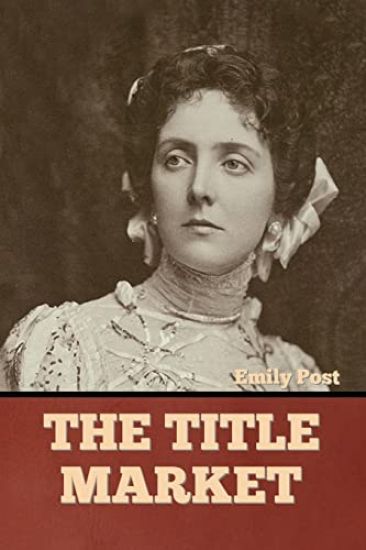
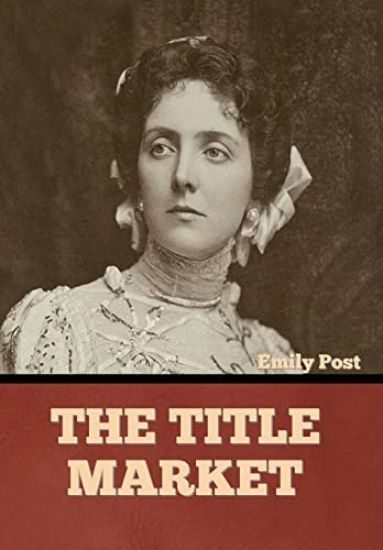
The Title Market explores the lives of Italian nobility, focusing on the financial and emotional struggles of a noble couple trying to maintain their status. The couple is deeply entangled in their financial troubles, exacerbated by the husband's gambling habits, and the impending visit of an American heiress becomes a potential solution to their plight. As they prepare to impress her, the narrative explores the tension between personal desires and societal expectations. The story delves into the intricacies of love, family duty, and social ambition, all set against the backdrop of Italian aristocracy. The arrival of the heiress promises to intertwine the fates of several characters, leading to conflicts, romantic developments, and shifting allegiances. The novel paints a vivid picture of the pressure that financial instability places on relationships, as well as the complex dynamics between love and social status. It highlights the tension between appearances and the real struggles faced by those striving to maintain their high-society lives, set within a world of beauty, luxury, and underlying turmoil.



The Title Market, a classical book, has been considered important throughout the human history, and so that this work is never forgotten we at Alpha Editions have made efforts in its preservation by republishing this book in a modern format for present and future generations. This whole book has been reformatted, retyped and designed. These books are not made of scanned copies of their original work and hence the text is clear and readable.
CONTENTS Introduction I What Is Best SocietyII Introductions III Greetings IV Salutations Of Courtesy V On The Street And In Public VI At Public Gatherings VII Conversation VIII Words, Phrases And Pronunciation IX One's Position In The Community X Cards And Visits XI Invitations, Acceptances And Regrets XII The Well-Appointed House XIII Teas And Other Afternoon Parties XIV Formal Dinners XV Dinner-Giving With Limited Equipment XVI Luncheons, Breakfasts And Suppers XVII Balls And Dances XVIII The D butante XIX The Chaperon And Other Conventions XX Engagements XXI First Preparations Before A Wedding XXII The Day Of The Wedding XXIII Christenings XXIV Funerals XXV The Country House And Its Hospitality XXVI The House Party In Camp XXVII Notes And Shorter Letters XXVIII Longer Letters XXIX The Fundamentals Of Good Behavior XXX Clubs And Club Etiquette XXXI Games And Sports XXXII Etiquette In Business And Politics XXXIII Dress XXXIV The Clothes Of A Gentleman XXXV The Kindergarten Of Etiquette XXXVI Every-Day Manners At Home XXXVII Traveling At Home And Abroad XXXVIII The Growth Of Good Taste In America
CONTENTS Introduction I What Is Best SocietyII Introductions III Greetings IV Salutations Of Courtesy V On The Street And In Public VI At Public Gatherings VII Conversation VIII Words, Phrases And Pronunciation IX One's Position In The Community X Cards And Visits XI Invitations, Acceptances And Regrets XII The Well-Appointed House XIII Teas And Other Afternoon Parties XIV Formal Dinners XV Dinner-Giving With Limited Equipment XVI Luncheons, Breakfasts And Suppers XVII Balls And Dances XVIII The D butante XIX The Chaperon And Other Conventions XX Engagements XXI First Preparations Before A Wedding XXII The Day Of The Wedding XXIII Christenings XXIV Funerals XXV The Country House And Its Hospitality XXVI The House Party In Camp XXVII Notes And Shorter Letters XXVIII Longer Letters XXIX The Fundamentals Of Good Behavior XXX Clubs And Club Etiquette XXXI Games And Sports XXXII Etiquette In Business And Politics XXXIII Dress XXXIV The Clothes Of A Gentleman XXXV The Kindergarten Of Etiquette XXXVI Every-Day Manners At Home XXXVII Traveling At Home And Abroad XXXVIII The Growth Of Good Taste In America
Emily Post (n e Price; c. October 27, 1872 - September 25, 1960) was an American author, novelist, and socialite, famous for writing about etiquette.Post began to write once her two sons were old enough to attend boarding school. Her early work included humorous travel books, newspaper articles on architecture and interior design, and magazine serials for Harper's, Scribner's, and The Century. She wrote five novels: Flight of a Moth (1904), Purple and Fine Linen (1905), Woven in the Tapestry (1908), The Title Market (1909), and The Eagle's Feather (1910). In 1916, she published By Motor to the Golden Gate - a recount of a road trip she made from New York to San Francisco with her son Edwin and another companion.Post wrote her first etiquette book Etiquette in Society, in Business, in Politics, and at Home (1922, frequently referenced as Etiquette) when she was 50. It became a best-seller with numerous editions over the following decades. After 1931, Post spoke on radio programs and wrote a column on good taste for the Bell Syndicate. The column appeared daily in over 200 newspapers after 1932.In her review of Claridge's 2008 biography of Post, The New York Times' Dinitia Smith explains the keys to Post's popularity: Such books had always been popular in America: the country's exotic mix of immigrants and newly rich were eager to fit in with the establishment. Men had to be taught not to blow their noses into their hands or to spit tobacco onto ladies' backs. Arthur M. Schlesinger, who wrote "Learning How to Behave: A Historical Study of American Etiquette Books" in 1946, said that etiquette books were part of "the leveling-up process of democracy," an attempt to resolve the conflict between the democratic ideal and the reality of class. But Post's etiquette books went far beyond those of her predecessors. They read like short-story collections with recurring characters, the Toploftys, the Eminents, the Richan Vulgars, the Gildings and the Kindharts.In 1946, Post founded The Emily Post Institute, which continues her work. (wikipedia.org)
Emily Post (n e Price; c. October 27, 1872 - September 25, 1960) was an American author, novelist, and socialite, famous for writing about etiquette.Post began to write once her two sons were old enough to attend boarding school. Her early work included humorous travel books, newspaper articles on architecture and interior design, and magazine serials for Harper's, Scribner's, and The Century. She wrote five novels: Flight of a Moth (1904), Purple and Fine Linen (1905), Woven in the Tapestry (1908), The Title Market (1909), and The Eagle's Feather (1910). In 1916, she published By Motor to the Golden Gate - a recount of a road trip she made from New York to San Francisco with her son Edwin and another companion.Post wrote her first etiquette book Etiquette in Society, in Business, in Politics, and at Home (1922, frequently referenced as Etiquette) when she was 50. It became a best-seller with numerous editions over the following decades. After 1931, Post spoke on radio programs and wrote a column on good taste for the Bell Syndicate. The column appeared daily in over 200 newspapers after 1932.In her review of Claridge's 2008 biography of Post, The New York Times' Dinitia Smith explains the keys to Post's popularity: Such books had always been popular in America: the country's exotic mix of immigrants and newly rich were eager to fit in with the establishment. Men had to be taught not to blow their noses into their hands or to spit tobacco onto ladies' backs. Arthur M. Schlesinger, who wrote "Learning How to Behave: A Historical Study of American Etiquette Books" in 1946, said that etiquette books were part of "the leveling-up process of democracy," an attempt to resolve the conflict between the democratic ideal and the reality of class. But Post's etiquette books went far beyond those of her predecessors. They read like short-story collections with recurring characters, the Toploftys, the Eminents, the Richan Vulgars, the Gildings and the Kindharts.In 1946, Post founded The Emily Post Institute, which continues her work. (wikipedia.org)

This work has been selected by scholars as being culturally important and is part of the knowledge base of civilization as we know it.This work is in the public domain in the United States of America, and possibly other nations. Within the United States, you may freely copy and distribute this work, as no entity (individual or corporate) has a copyright on the body of the work.Scholars believe, and we concur, that this work is important enough to be preserved, reproduced, and made generally available to the public. To ensure a quality reading experience, this work has been proofread and republished using a format that seamlessly blends the original graphical elements with text in an easy-to-read typeface.We appreciate your support of the preservation process, and thank you for being an important part of keeping this knowledge alive and relevant.
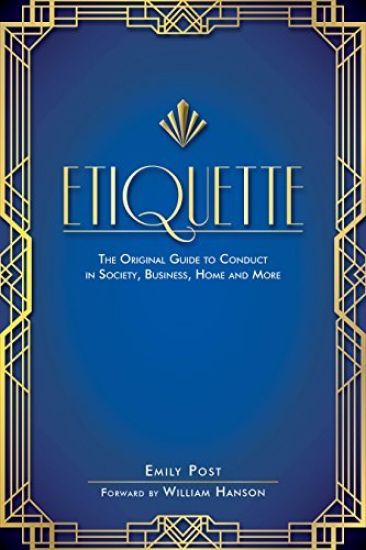
First published in 1922, Etiquette has served for generations as the premiere guide to manners and decorum. It details the nuances of various social settings as well as how to act within them, so as not to offend any parties present. Different settings often call for different conduct. In addition to covering general forms of communication, salutations, greetings, and conversation, this classic manual also details what behaviors and topics are socially acceptable (and unacceptable) at specific events such as weddings, formal dinners, engagements, funerals, christenings, games and sports, business and politics, ball and dances, and many, many more. It will teach you the contemporary time period’s sense of how an individual should conduct oneself, offering tips and tricks long forgotten in an age of impulse, social awkwardness, and conversational disrepair, condoned by our reliance on technology. Featuring a new foreword by a leading etiquette consultant, pick up a copy of this stunning new edition of Etiquette—start improving your charm and conversational skills today!

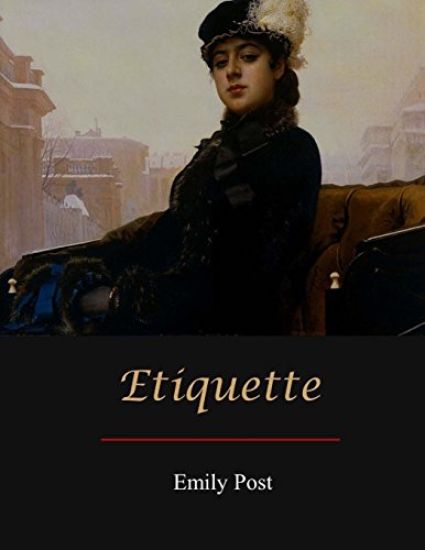

A facsimile of the 1922 first edition. The world in which Emily Post's 1922 bestseller Etiquette appeared was one of great change, not unlike our own. The rules of social intercourse became murky and people immediately connected with Emily Post's philosophy of etiquette as unchanging and manners as a personality. This paperback facsimile of the first edition includes many tips Post gave her devoted followers on subjects such as greetings and salutations, cards and visits, teas and other afternoon parties, dinners, balls and dances, debutantes, chaperons, engagements, wedding planning, christenings, funerals, the country house, correspondence, clubs, games and sports, business, dress, everyday manners at home and abroad, and the growth of good taste in America. This book is chock-a-block full of the only civilized antidote to a world gone mad.