Kirjojen hintavertailu. Mukana 12 459 402 kirjaa ja 12 kauppaa.

Kirjailija

Eran Almagor

Kirjat ja teokset yhdessä paikassa: 2 kirjaa, julkaisuja vuosilta 2018-2020, suosituimpien joukossa Plutarch and the Persica. Vertaile teosten hintoja ja tarkista saatavuus suomalaisista kirjakaupoista.

2 kirjaa

Kirjojen julkaisuhaarukka 2018-2020.

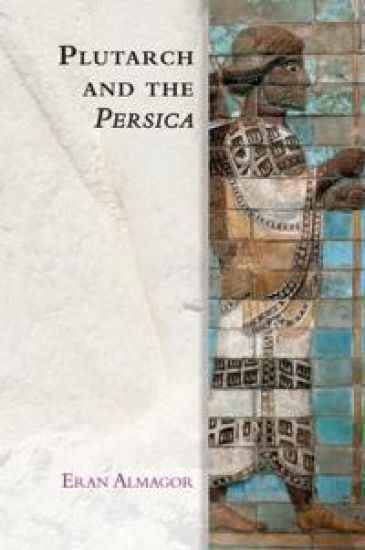
Plutarch and the Persica

Plutarch and the Persica

Eran Almagor

Edinburgh University Press
2020
nidottu
Bridges the gap between Plutarch Studies and Achaemenid Studies through analysis of key textsThis book addresses two historical mysteries. The first is the content and character of the fourth century BCE Greek works on the Persian Achaemenid Empire treatises called the Persica. The second is the method of work of the second century CE biographer Plutarch of Chaeronea (CE 45-120) who used these works to compose his biographies, in particular the Life of the Persian king Artaxerxes.By dealing with both issues simultaneously, Almagor proposes a new way of approaching the two entangled problems, and offers a better understanding of both the portrayal of ancient Persia in the lost Persica works and the manner of their reception and adaptation nearly five hundred years later. Intended for both scholars and students of the Achaemenid Empire and Greek imperial literature, this book bridges the two worlds and two important branches of scholarship.
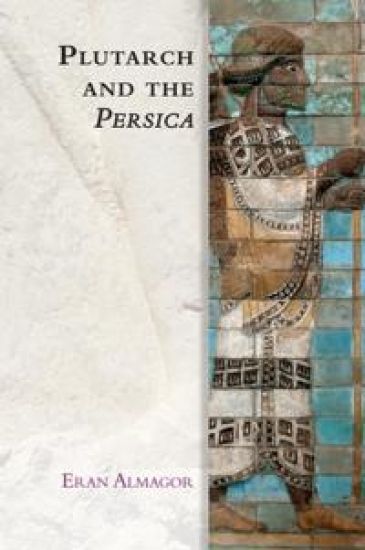
Plutarch and the Persica

Plutarch and the Persica

Eran Almagor

Edinburgh University Press
2018
sidottu
Bridges the gap between Plutarch Studies and Achaemenid Studies through analysis of key textsThis book addresses two historical mysteries. The first is the content and character of the fourth century BCE Greek works on the Persian Achaemenid Empire treatises called the Persica. The second is the method of work of the second century CE biographer Plutarch of Chaeronea (CE 45-120) who used these works to compose his biographies, in particular the Life of the Persian king Artaxerxes.By dealing with both issues simultaneously, Almagor proposes a new way of approaching the two entangled problems, and offers a better understanding of both the portrayal of ancient Persia in the lost Persica works and the manner of their reception and adaptation nearly five hundred years later. Intended for both scholars and students of the Achaemenid Empire and Greek imperial literature, this book bridges the two worlds and two important branches of scholarship.