Kirjojen hintavertailu. Mukana 12 595 353 kirjaa ja 12 kauppaa.

Kirjailija

Eric J. Sharpe

Kirjat ja teokset yhdessä paikassa: 3 kirjaa, julkaisuja vuosilta 1994-1998, suosituimpien joukossa Memory and Manuscript. Vertaile teosten hintoja ja tarkista saatavuus suomalaisista kirjakaupoista.

3 kirjaa

Kirjojen julkaisuhaarukka 1994-1998.

Memory and Manuscript

Memory and Manuscript

Birger Gerhardsson; Eric J. Sharpe

William B Eerdmans Publishing Co
1998
pokkari
Explores the way in which Jewish rabbis during the first Christian centuries preserved and passed on their sacred tradition, and he shows how early Christianity is better understood in light of how that tradition develoed in Rabbinic Judaism.

Understanding Religion

Understanding Religion

Eric J. Sharpe

Bristol Classical Press
1997
pokkari
Clears the ground for students who are setting out to understand, rather than just to practice, religion. It discusses, among other things, the relationship between commitment to a particular tradition and the quest for intellectual understanding of religion "in the round", "holiness" as an identifying aspect of religion, functional "modes" of religion, and finally some questions connected with thesecularization process.Assuming throughout that theology and religious studies ought not to be seen as competing approaches, but as sources for complementary insights, it offers the student a fundamental introduction to an important area of inquiry.
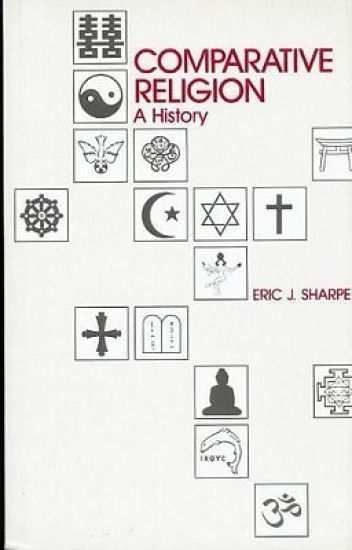
Comparative Religion

Comparative Religion

Eric J. Sharpe

Bristol Classical Press
1994
pokkari
This book is now firmly established as the standard treatment of its subject. The history of comparative religion is traced in detail from its beginnings in the nineteenth century, in the work of scholars such as Max Muller and anthropologists - such as Tylor, Lang, Robertson-Smith and Frazer - through the American psychologists of religion - such as Starbuck, Leuba, William James - to the period after the First World War, when the evolutionary approach was seriously called into question. It also examines the relevance of religion to Freud and Jung; the 'phenomenology of religion'; the tensions between comparative religion and theology; and the work of such outstanding personalities as Nathan Soederblom and Rudolf Otto. The last two chapters review the main issues raised since the Second World War.