Kirjojen hintavertailu. Mukana 12 459 402 kirjaa ja 12 kauppaa.

Kirjailija

Eric K. Yamamoto

Kirjat ja teokset yhdessä paikassa: 3 kirjaa, julkaisuja vuosilta 1999-2018, suosituimpien joukossa Interracial Justice. Vertaile teosten hintoja ja tarkista saatavuus suomalaisista kirjakaupoista.

3 kirjaa

Kirjojen julkaisuhaarukka 1999-2018.

Interracial Justice

Interracial Justice

Eric K. Yamamoto

New York University Press
1999
sidottu
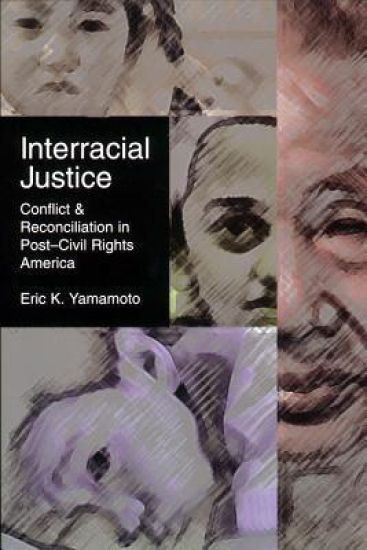
The United States in the twenty-first century will be a nation of so-called minorities. Shifts in the composition of the American populace necessitate a radical change in the ways we as a nation think about race relations, identity, and racial justice. Once dominated by black-white relations, discussions of race are increasingly informed by an awareness of strife among nonwhite racial groups. While white influence remains important in nonwhite racial conflict, the time has come for acknowledgment of ways communities of color sometimes clash, and their struggles to heal the resulting wounds and forge strong alliances. Melding race history, legal theory, theology, social psychology, and anecdotes, Eric K. Yamamoto offers a fresh look at race and responsibility. He tells tales of explosive conflicts and halting conciliatory efforts between African Americans and Korean and Vietnamese immigrant shop owners in Los Angeles and New Orleans. He also paints a fascinating picture of South Africa's controversial Truth and Reconciliation Commission as well as a pathbreaking Asian American apology to Native Hawaiians for complicity in their oppression. An incisive and original work by a highly respected scholar, Interracial Justice greatly advances our understanding of conflict and healing through justice in multiracial America.
Interracial Justice

Interracial Justice

Eric K. Yamamoto

New York University Press
2000
pokkari
The United States in the twenty-first century will be a nation of so-called minorities. Shifts in the composition of the American populace necessitate a radical change in the ways we as a nation think about race relations, identity, and racial justice. Once dominated by black-white relations, discussions of race are increasingly informed by an awareness of strife among nonwhite racial groups. While white influence remains important in nonwhite racial conflict, the time has come for acknowledgment of ways communities of color sometimes clash, and their struggles to heal the resulting wounds and forge strong alliances. Melding race history, legal theory, theology, social psychology, and anecdotes, Eric K. Yamamoto offers a fresh look at race and responsibility. He tells tales of explosive conflicts and halting conciliatory efforts between African Americans and Korean and Vietnamese immigrant shop owners in Los Angeles and New Orleans. He also paints a fascinating picture of South Africa's controversial Truth and Reconciliation Commission as well as a pathbreaking Asian American apology to Native Hawaiians for complicity in their oppression. An incisive and original work by a highly respected scholar, Interracial Justice greatly advances our understanding of conflict and healing through justice in multiracial America.

In the Shadow of Korematsu

In the Shadow of Korematsu

Eric K. Yamamoto

Oxford University Press Inc
2018
sidottu
The national security and civil liberties tensions of the World War II mass incarceration link 9/11 and the 2015 Paris-San Bernardino attacks to the Trump era in America. This marked an era darkened by accelerating discrimination against, and intimidation of those asserting rights of freedom of religion, association and speech, and by increasingly volatile protests. This book discusses the broad civil liberties challenges posed by these past-into-the-future linkages highlighting pressing questions about the significance of judicial independence for a constitutional democracy committed both to security and to the rule of law. One of which is: Will courts fall passively in line with the elective branches, as they did in Korematsu v. United States, or serve as the guardian of the Bill of Rights, scrutinizing claims of "pressing public necessity" as justification for curtailing fundamental liberties? This book portrays the present-day significance of the Supreme Court's partially discredited, yet never overruled, 1944 decision upholding the constitutional validity of the mass Japanese American exclusion leading to indefinite incarceration. Second, it implicates prospects for judicial independence in adjudging Harassment, Exclusion, Incarceration disputes in contemporary America and beyond. Third, it engages the American populace in shaping law and policy at the ground level by placing the courts' legitimacy on center stage. This book addresses who we are as Americans and whether we are genuinely committed to democracy governed by the Constitution.