Kirjojen hintavertailu. Mukana 12 390 323 kirjaa ja 12 kauppaa.

Kirjailija

Eric R Dursteler

Kirjat ja teokset yhdessä paikassa: 5 kirjaa, julkaisuja vuosilta 2008-2026, suosituimpien joukossa The Mediterranean World. Vertaile teosten hintoja ja tarkista saatavuus suomalaisista kirjakaupoista.

Mukana myös kirjoitusasut: Eric R. Dursteler

5 kirjaa

Kirjojen julkaisuhaarukka 2008-2026.

The Mediterranean World

The Mediterranean World

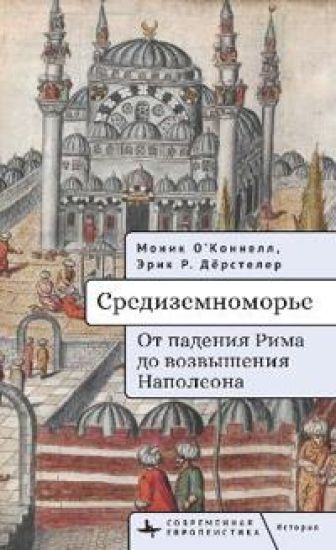
Monique O’Connell; Eric R. Dursteler

Academic Studies Press
2026
pokkari
????????????? ?? ??????????? ????, ?????? ? ??????, ??????????? ???? ?? ?????????? ??????????? ????????? ????????? ????????, ???????? ?????? ???????????? ??? ??????????? ?????????????, ?????????? ? ???????????? ??????????????. ????????? ????? ?? ???????, ??????? ????? ? ???????? ?????? ? ????????? ?????????? ? ?????? ?????????? ? ???, ??? ??????????????? ?? ????? ?????? ???????????? ??????? ? ??????? ?????????? ? ??????????? ??????. ? ????? «???????????????. ?? ??????? ???? ?? ?????????? ?????????» ????? ?’??????? ? ???? ?. ????????? ????????? ??????? ????? ??????? ?? ????????????? ?? ??????? ?????? ???????, ??????? ? ??????? ???? ????? 500 ???? ? ?????????? ???????? ????????? ????????? ?????? ? 1798 ????. ?????? ??????????? ??????????, ??? ??????????????? ??????? ??????? ??? ????????? ????????????, ???????? ? ?? ?????, ????? ?? ???? ??????? ?? ???????? ?????????? ???????????, ? ??????????? ?????????? ???? ?????????? ????? ? ????????.
The Mediterranean World

The Mediterranean World

Monique O'Connell; Eric R Dursteler

Johns Hopkins University Press
2016
pokkari
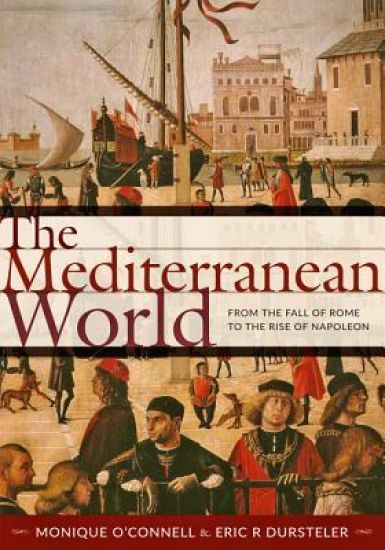
Located at the intersection of Asia, Africa, and Europe, the Mediterranean has connected societies for millennia, creating a shared space of intense economic, cultural, and political interaction. Greek temples in Sicily, Roman ruins in North Africa, and Ottoman fortifications in Greece serve as reminders that the Mediterranean has no fixed national boundaries or stable ethnic and religious identities. In The Mediterranean World, Monique O'Connell and Eric R Dursteler examine the history of this contested region from the medieval to the early modern era, beginning with the fall of Rome around 500 CE and closing with Napoleon's attempted conquest of Egypt in 1798. Arguing convincingly that the Mediterranean should be studied as a singular unit, the authors explore the centuries when no lone power dominated the Mediterranean Sea and invaders brought their own unique languages and cultures to the region. Structured around four interlocking themes-mobility, state development, commerce, and frontiers-this beautifully illustrated book brings new dimensions to the concepts of Mediterranean nationality and identity.
Renegade Women

Renegade Women

Eric R Dursteler

Johns Hopkins University Press
2011
pokkari
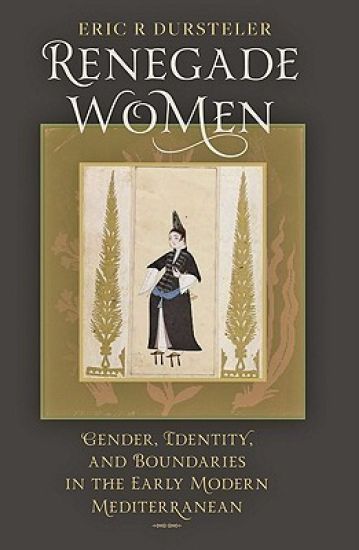
This book uses the stories of early modern women in the Mediterranean who left their birthplaces, families, and religions to reveal the complex space women of the period occupied socially and politically. In the narrow sense, the word "renegade" as used in the early modern Mediterranean referred to a Christian who had abandoned his or her religion to become a Muslim. With Renegade Women, Eric R Dursteler deftly redefines and broadens the term to include anyone who crossed the era's and region's religious, political, social, and gender boundaries. Drawing on archival research, he relates three tales of women whose lives afford great insight into both the specific experiences and condition of females in, and the broader cultural and societal practices and mores of, the early Mediterranean. Through Beatrice Michiel of Venice, who fled an overbearing husband to join her renegade brother in Constantinople and took the name Fatima Hatun, Dursteler discusses how women could convert and relocate in order to raise their personal and familial status. In the parallel tales of the Christian Elena Civalelli and the Muslim Mihale atorovic, who both entered a Venetian convent to avoid unwanted, arranged marriages, he finds courageous young women who used the frontier between Ottoman and Venetian states to exercise a surprising degree of agency over their lives. And in the actions of four Muslim women of the Greek island of Milos-Aisse, her sisters Emine and Catige, and their mother, Maria-who together left their home for Corfu and converted from Islam to Christianity to escape Aisse's emotionally and financially neglectful husband, Dursteler unveils how a woman's attempt to control her own life ignited an international firestorm that threatened Venetian-Ottoman relations. A truly fascinating narrative of female instrumentality, Renegade Women illuminates the nexus of identity and conversion in the early modern Mediterranean through global and local lenses. Scholars of the period will find this to be a richly informative and thoroughly engrossing read.
Renegade Women

Renegade Women

Eric R Dursteler

Johns Hopkins University Press
2011
sidottu
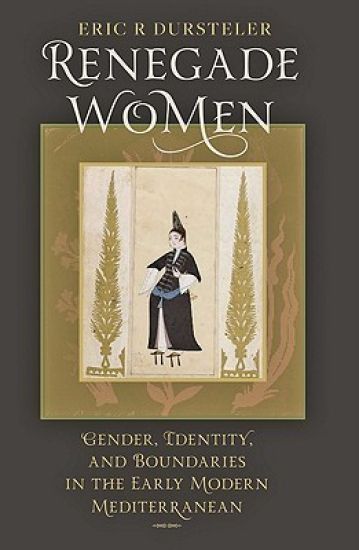
This book uses the stories of early modern women in the Mediterranean who left their birthplaces, families, and religions to reveal the complex space women of the period occupied socially and politically. In the narrow sense, the word "renegade" as used in the early modern Mediterranean referred to a Christian who had abandoned his or her religion to become a Muslim. With Renegade Women, Eric R Dursteler deftly redefines and broadens the term to include anyone who crossed the era's and region's religious, political, social, and gender boundaries. Drawing on archival research, he relates three tales of women whose lives afford great insight into both the specific experiences and condition of females in, and the broader cultural and societal practices and mores of, the early Mediterranean. Through Beatrice Michiel of Venice, who fled an overbearing husband to join her renegade brother in Constantinople and took the name Fatima Hatun, Dursteler discusses how women could convert and relocate in order to raise their personal and familial status. In the parallel tales of the Christian Elena Civalelli and the Muslim Mihale atorovic, who both entered a Venetian convent to avoid unwanted, arranged marriages, he finds courageous young women who used the frontier between Ottoman and Venetian states to exercise a surprising degree of agency over their lives. And in the actions of four Muslim women of the Greek island of Milos-Aisse, her sisters Emine and Catige, and their mother, Maria-who together left their home for Corfu and converted from Islam to Christianity to escape Aisse's emotionally and financially neglectful husband, Dursteler unveils how a woman's attempt to control her own life ignited an international firestorm that threatened Venetian-Ottoman relations. A truly fascinating narrative of female instrumentality, Renegade Women illuminates the nexus of identity and conversion in the early modern Mediterranean through global and local lenses. Scholars of the period will find this to be a richly informative and thoroughly engrossing read.
Venetians in Constantinople

Venetians in Constantinople

Eric R Dursteler

Johns Hopkins University Press
2008
pokkari
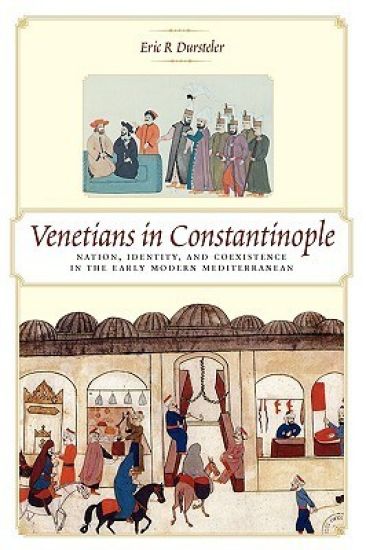
The introduction to this book is dazzling ...The Venetian community in Constantinople provides an excellent site for exploration of issues of nation and identity ...[Dursteler's] overall intention-to demonstrate cultural diversity in a place and era that has been commonly assumed to lack it-remains firmly at the fore, and he admirably fulfills his task.