Kirjojen hintavertailu. Mukana 12 595 353 kirjaa ja 12 kauppaa.

Kirjailija

Erik Albaek

Kirjat ja teokset yhdessä paikassa: 2 kirjaa, julkaisuja vuodelta 2014, suosituimpien joukossa Political Journalism in Comparative Perspective. Vertaile teosten hintoja ja tarkista saatavuus suomalaisista kirjakaupoista.

2 kirjaa

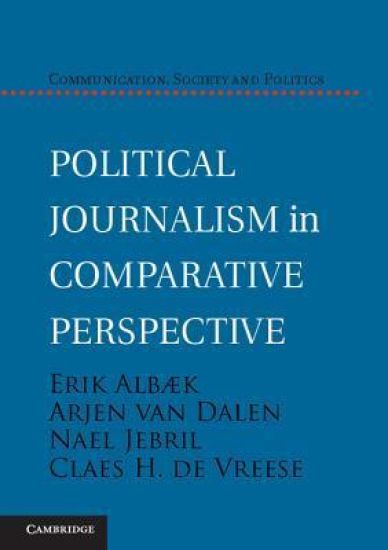
Political Journalism in Comparative Perspective

Political Journalism in Comparative Perspective

Erik Albaek; Arjen van Dalen; Nael Jebril; Claes H. de Vreese

Cambridge University Press
2014
sidottu
Political journalism is often under fire. Conventional wisdom and much scholarly research suggest that journalists are cynics and political pundits. Political news is void of substance and overly focused on strategy and persons. Citizens do not learn from the news, are politically cynical, and are dissatisfied with the media. This book challenges these assumptions, which are often based on single-country studies with limited empirical observations about the relation between news production, content, and journalism's effects. Based on interviews with journalists, a systematic content analysis of political news, and panel survey data in different countries, this book tests how different systems and media-politics relations condition the contents of political news. It shows how different content creates different effects and demonstrates that under the right circumstances citizens learn from political news, do not become cynical, and are satisfied with political journalism.
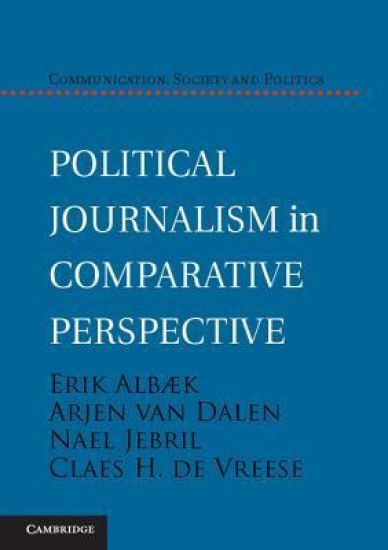
Political Journalism in Comparative Perspective

Political Journalism in Comparative Perspective

Erik Albaek; Arjen van Dalen; Nael Jebril; Claes H. de Vreese

Cambridge University Press
2014
pokkari
Political journalism is often under fire. Conventional wisdom and much scholarly research suggest that journalists are cynics and political pundits. Political news is void of substance and overly focused on strategy and persons. Citizens do not learn from the news, are politically cynical, and are dissatisfied with the media. This book challenges these assumptions, which are often based on single-country studies with limited empirical observations about the relation between news production, content, and journalism's effects. Based on interviews with journalists, a systematic content analysis of political news, and panel survey data in different countries, this book tests how different systems and media-politics relations condition the contents of political news. It shows how different content creates different effects and demonstrates that under the right circumstances citizens learn from political news, do not become cynical, and are satisfied with political journalism.