
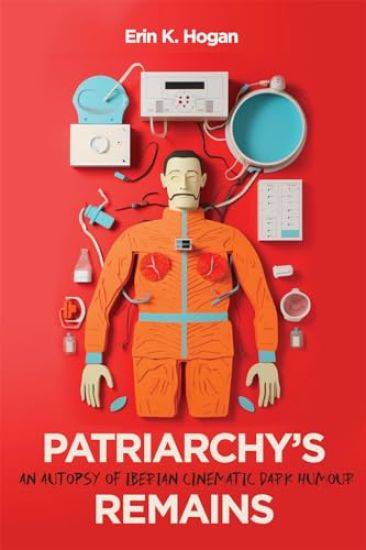
Something is rotten in the state of Spain. The uninterred corpse of a patriarchal figure populates the visual landscapes of Iberian cinemas. He is chilled, drugged, perfumed, ventilated, presumed dead, speared in the cranium, and worse.Analyzing a series of Iberian cinematic dark comedies from the 1950s to the present day, Patriarchy’s Remains argues that the cinematic trope of the patriarchal death symbolizes the lingering remains of the Francisco Franco dictatorship in Spain (1939–75). These films, created as satirical responses to persisting economic, social, and political issues, demonstrate that Spain’s transition to democracy following the Francoist period is an incomplete and ongoing process. Within the theme of patriarchal decay, the significance of the figure differs across cinematic representations, from his indispensability to his obstructionism and exploitation. Erin Hogan traces the prevalence of patriarchal death by analyzing its relationship with the surrounding characters who must depend on the deceased. Hogan demonstrates how the patriarch’s persistence in film both reveals and challenges an array of discriminations and inequalities in the cinematic grotesque tradition, in Iberian cinemas more broadly, and in Iberian society as a whole.Despite Spain’s ongoing transition towards democratic pluralism, Patriarchy’s Remains serves as a reminder that the remnants of an entrenched although not interred patriarchal culture continue to haunt Iberian society.
