Kirjojen hintavertailu. Mukana 12 558 787 kirjaa ja 12 kauppaa.

Kirjailija

Esther Harriott

Kirjat ja teokset yhdessä paikassa: 2 kirjaa, julkaisuja vuosilta 2013-2015, suosituimpien joukossa American Voices. Vertaile teosten hintoja ja tarkista saatavuus suomalaisista kirjakaupoista.

2 kirjaa

Kirjojen julkaisuhaarukka 2013-2015.

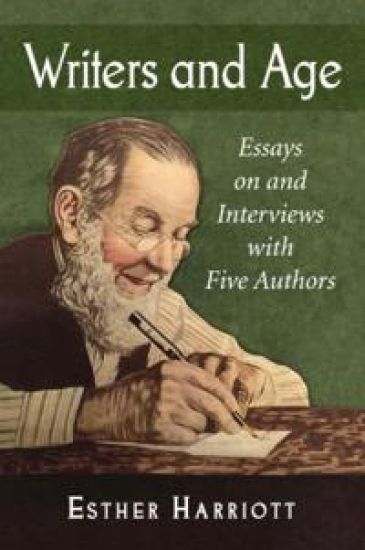
Writers and Age

Writers and Age

Esther Harriott

McFarland Co Inc
2015
pokkari
Since 1900, the average life expectancy in the developed world has almost doubled, from 45 to 80. "We are almost a new species," declared the English writer V.S. Pritchett, while pointing out that this means "most of us have to face the prospect of a long old age before we die." Pritchett is one of five great writers--along with Stanley Kunitz, Doris Lessing, Mavis Gallant and Russell Baker--whose novels, short stories, poems and essays about old age, written in old age, are examined in this book. Born between 1900 (Pritchett) and 1925 (Baker), these writers are members of the first generation of the 20th century, and of the first generation of writers able to write about old age from experience. In their later works we read about growing old as reported by the old, not as imagined by the young and middle-aged. They wrote about old age not as a discrete stage of life, but as a continuation--another context in which to pursue the themes of their earlier poems, novels, stories and essays. And those who had written about love--a central theme of fiction and poetry--now wrote about love in old age.

American Voices

American Voices

Esther Harriott

McFarland Co Inc
2013
pokkari
Sam Shepard, Lanford Wilson, David Mamet, Charles Fuller, and Marsha Norman were born within ten years of one another. While they are not linked to a particular movement or school, they are fellow members of a generation of writers, one that has come to prominence during a turning point in American theater: From the midseventies to the late eighties, emphasis on the written word returned after a decade dominated by "nonverbal" theater that subordinated language to the visual. Each of these playwrights has regarded the written word as the center of a theatrical production. All have received the Pulitzer Prize for drama. The contexts of race, religion, region, class and gender from which they write are very different, yet each is "typically" American in some way. Through interviews with Wilson, Mamet, Fuller, and Norman and critical study of works of all five, Harriott examines their disparate voices and their distinctive images of America.