Kirjojen hintavertailu. Mukana 12 595 353 kirjaa ja 12 kauppaa.

Kirjailija

Eve Garrard

Kirjat ja teokset yhdessä paikassa: 4 kirjaa, julkaisuja vuosilta 2003-2016, suosituimpien joukossa Forgiveness. Vertaile teosten hintoja ja tarkista saatavuus suomalaisista kirjakaupoista.

4 kirjaa

Kirjojen julkaisuhaarukka 2003-2016.

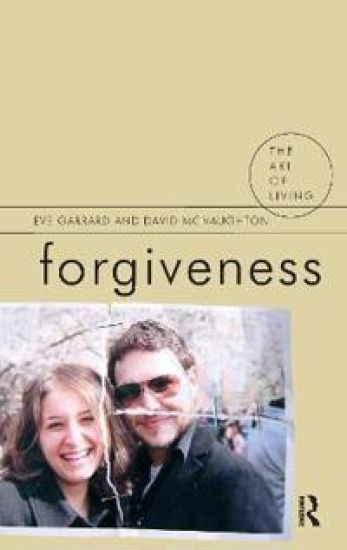
Forgiveness

Forgiveness

Eve Garrard; David McNaughton

Routledge
2016
sidottu
Forgiveness usually gets a very good press in our culture: we are deluged with self-help books and television shows all delivering the same message, that forgiveness is good for everyone, and is always the right thing to do. But those who have suffered seriously at the hands of others often and rightly feel that this boosterism about forgiveness is glib and facile. Perhaps forgiveness is not always desirable, especially where the wrongdoing is terrible or the wrongdoer unrepentant. In this book, Garrard and McNaughton suggest that the whole debate suffers from a crippling lack of clarity about what forgiveness really amounts to. They argue that it is more difficult, complex and troubling than many of its advocates suppose. Nevertheless, they conclude, a proper understanding of forgiveness allows us to avoid cheap and shallow forms of it, and enables us to see why it is right and admirable to forgive even unrepentant wrongdoers.
Forgiveness

Forgiveness

Eve Garrard; David McNaughton

Acumen Publishing Ltd
2010
nidottu
Forgiveness usually gets a very good press in our culture: we are deluged with self-help books and television shows all delivering the same message, that forgiveness is good for everyone, and is always the right thing to do. But those who have suffered seriously at the hands of others often and rightly feel that this boosterism about forgiveness is glib and facile. Perhaps forgiveness is not always desirable, especially where the wrongdoing is terrible or the wrongdoer unrepentant. In this book, Garrard and McNaughton suggest that the whole debate suffers from a crippling lack of clarity about what forgiveness really amounts to. They argue that it is more difficult, complex and troubling than many of its advocates suppose. Nevertheless, they conclude, a proper understanding of forgiveness allows us to avoid cheap and shallow forms of it, and enables us to see why it is right and admirable to forgive even unrepentant wrongdoers.
Moral Philosophy and the Holocaust

Moral Philosophy and the Holocaust

Eve Garrard; Geoffrey Scarre

Ashgate Publishing Limited
2003
nidottu
How far can we ever hope to understand the Holocaust? What can we reasonably say about right and wrong, moral responsibility, praise and blame, in a world where ordinary reasons seem to be excluded? In the century of Nazism, ethical writing in English had much more to say about the meaning of the word `good` than about the material reality of evil. This book seeks to redress the balance at the start of a new century. Despite intense interest in the Holocaust, there has been relatively little exploration of it by philosophers in the analytic tradition. Although ethical writers often refer to Nazism as a touchstone example of evil, and use it as a case by which moral theorising can be tested, they rarely analyse what evil amounts to, or address the substantive moral questions raised by the Holocaust itself. This book draws together new work by leading moral philosophers to present a wide range of perspectives on the Holocaust. Contributors focus on particular themes of central importance, including: moral responsibility for genocide; the moral uniqueness of the Holocaust; responding to extreme evil; the role of ideology; the moral psychology of perpetrators and victims of genocide; forgiveness and the Holocaust; and the impact of the `Final Solution` on subsequent culture. Topics are treated with the precision and rigour characteristic of analytic philosophy. Scholars, teachers and students with an interest in moral theory, applied ethics, genocide and Holocaust studies will find this book of particular value, as will all those seeking greater insight into ethical issues surrounding Nazism, race-hatred and intolerance.
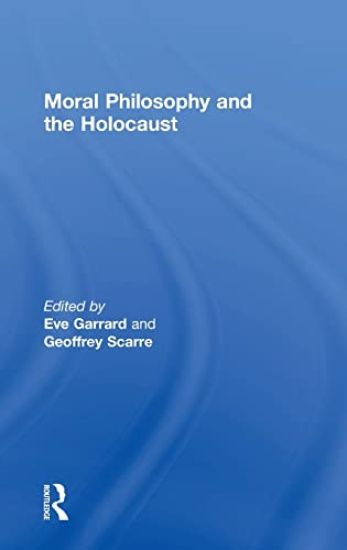
Moral Philosophy and the Holocaust

Moral Philosophy and the Holocaust

Eve Garrard; Geoffrey Scarre

Ashgate Publishing Limited
2003
sidottu
How far can we ever hope to understand the Holocaust? What can we reasonably say about right and wrong, moral responsibility, praise and blame, in a world where ordinary reasons seem to be excluded? In the century of Nazism, ethical writing in English had much more to say about the meaning of the word `good` than about the material reality of evil. This book seeks to redress the balance at the start of a new century. Despite intense interest in the Holocaust, there has been relatively little exploration of it by philosophers in the analytic tradition. Although ethical writers often refer to Nazism as a touchstone example of evil, and use it as a case by which moral theorising can be tested, they rarely analyse what evil amounts to, or address the substantive moral questions raised by the Holocaust itself. This book draws together new work by leading moral philosophers to present a wide range of perspectives on the Holocaust. Contributors focus on particular themes of central importance, including: moral responsibility for genocide; the moral uniqueness of the Holocaust; responding to extreme evil; the role of ideology; the moral psychology of perpetrators and victims of genocide; forgiveness and the Holocaust; and the impact of the `Final Solution` on subsequent culture. Topics are treated with the precision and rigour characteristic of analytic philosophy. Scholars, teachers and students with an interest in moral theory, applied ethics, genocide and Holocaust studies will find this book of particular value, as will all those seeking greater insight into ethical issues surrounding Nazism, race-hatred and intolerance.