Kirjojen hintavertailu. Mukana 12 657 676 kirjaa ja 12 kauppaa.

Kirjailija

Ewan Fernie

Kirjat ja teokset yhdessä paikassa: 8 kirjaa, julkaisuja vuosilta 2001-2021, suosituimpien joukossa The Demonic. Vertaile teosten hintoja ja tarkista saatavuus suomalaisista kirjakaupoista.

8 kirjaa

Kirjojen julkaisuhaarukka 2001-2021.

Macbeth, Macbeth

Macbeth, Macbeth

Ewan Fernie; Simon Palfrey

Boiler House Press
2021
nidottu
‘A miracle, an instant classic.’ Slavoj Zizek, philosopher The tragedy is done, the tyrant Macbeth dead. The time is free. But for how long? As Macduff pursues dreams of national revival, smaller lives are seeding. In the ruins of Dunsinane, the Porter tries to keep his three young boys safe from the nightmare of history. In a nunnery deep in Birnam Wood, a girl attempts to forget what she lost in war. Flitting between them, a tortured clairvoyant trembles with the knowledge of what's to come. A collaboration between two of the world's most eminent Shakespeare scholars, "Macbeth, Macbeth" is a unique mix of creative fiction and literary criticism that charts a new way of doing both, sparking a whole new world from the embers of Shakespeare's original tragedy. ”Macbeth, Macbeth” weaves a thread that enrichens the original classic with the manic energy of Tristram Shandy, the grim intensity of Crime and Punishment, and the existential absurdity of Waiting for Godot. 'A thrilling re-imagination of Shakespeare’s darkest play.' Lucy Bailey, theatre director‘Shakespeare, I suspect, would have been delighted.’ Don Paterson, poet
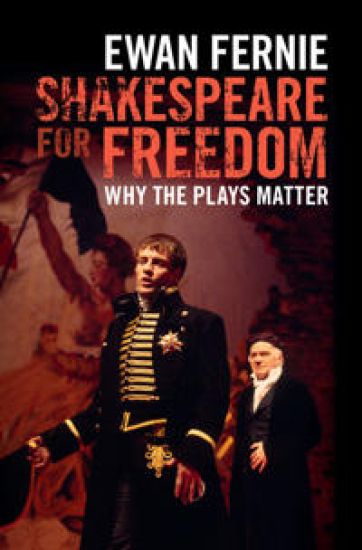
Shakespeare for Freedom

Shakespeare for Freedom

Ewan Fernie

Cambridge University Press
2021
pokkari
Shakespeare for Freedom presents a powerful, plausible and political argument for Shakespeare's meaning and value. It ranges across the breadth of the Shakespeare phenomenon, offering a new interpretation not just of the characters and plays, but also of the part they have played in theatre, criticism, civic culture and politics. Its story includes a glimpse of 'Freetown' in Romeo and Juliet, which comes to life in the 1769 Stratford Jubilee; the Shakespearean careers of the Leicester Chartist, Cooper, and the Hungarian hero, Kossuth; Hegel's recognition of Shakespearean freedom as the modern breakthrough; its fatal effects in America; the disgust it inspired in Tolstoy; its rehabilitation by Ted Hughes, and its obscure centrality in the 2012 Olympics. Ultimately, it issues a positive Shakespearean prognosis for freedom as a vital (in both senses), unending struggle. Shakespeare for Freedom shows why Shakespeare has mattered for four hundred years, and why he still matters today.
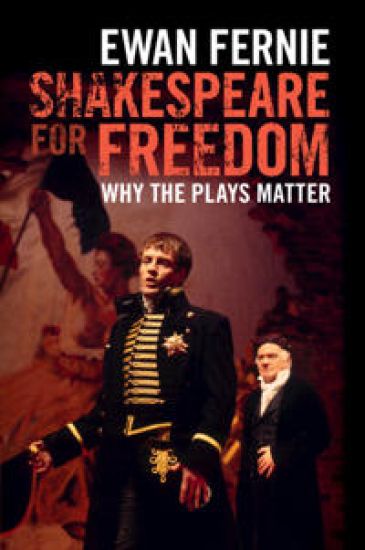
Shakespeare for Freedom

Shakespeare for Freedom

Ewan Fernie

Cambridge University Press
2017
sidottu
Shakespeare for Freedom presents a powerful, plausible and political argument for Shakespeare's meaning and value. It ranges across the breadth of the Shakespeare phenomenon, offering a new interpretation not just of the characters and plays, but also of the part they have played in theatre, criticism, civic culture and politics. Its story includes a glimpse of 'Freetown' in Romeo and Juliet, which comes to life in the 1769 Stratford Jubilee; the Shakespearean careers of the Leicester Chartist, Cooper, and the Hungarian hero, Kossuth; Hegel's recognition of Shakespearean freedom as the modern breakthrough; its fatal effects in America; the disgust it inspired in Tolstoy; its rehabilitation by Ted Hughes, and its obscure centrality in the 2012 Olympics. Ultimately, it issues a positive Shakespearean prognosis for freedom as a vital (in both senses), unending struggle. Shakespeare for Freedom shows why Shakespeare has mattered for four hundred years, and why he still matters today.
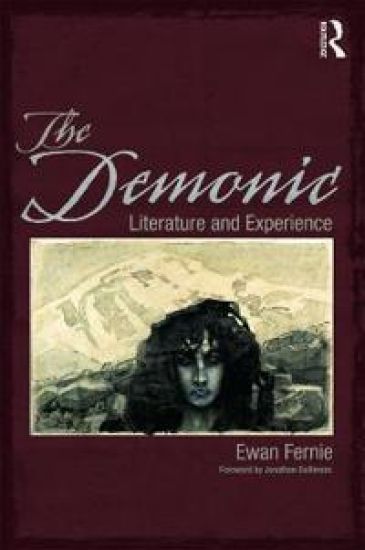
The Demonic

The Demonic

Ewan Fernie

Routledge
2012
nidottu
Are we either good or bad, and do we really know the difference? Why do we want what we cannot have, and even to be what we’re not? Can we desire others without wanting to possess them? Can we open to others and not risk possession ourselves? And where, in these cases, do we draw the line?Ewan Fernie argues that the demonic tradition in literature offers a key to our most agonised and intimate experiences. The Demonic ranges across the breadth of Western culture, engaging with writers as central and various as Luther, Shakespeare, Hegel, Dostoevsky, Melville and Mann. A powerful foreword by Jonathan Dollimore brings out its implications as an intellectual and stylistic breakthrough into new ways of writing criticism. Fernie unfolds an intense and personal vision, not just of Western modernity, but of identity, morality and sex. As much as it’s concerned with the great works, this is a book about life.
The Demonic

The Demonic

Ewan Fernie

Routledge
2012
sidottu
Are we either good or bad, and do we really know the difference? Why do we want what we cannot have, and even to be what we’re not? Can we desire others without wanting to possess them? Can we open to others and not risk possession ourselves? And where, in these cases, do we draw the line?Ewan Fernie argues that the demonic tradition in literature offers a key to our most agonised and intimate experiences. The Demonic ranges across the breadth of Western culture, engaging with writers as central and various as Luther, Shakespeare, Hegel, Dostoevsky, Melville and Mann. A powerful foreword by Jonathan Dollimore brings out its implications as an intellectual and stylistic breakthrough into new ways of writing criticism. Fernie unfolds an intense and personal vision, not just of Western modernity, but of identity, morality and sex. As much as it’s concerned with the great works, this is a book about life.
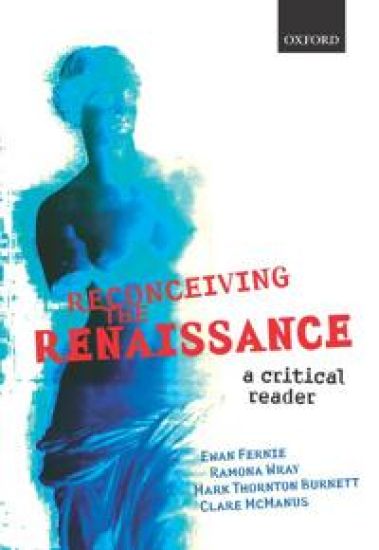
Reconceiving the Renaissance

Reconceiving the Renaissance

Ewan Fernie; Ramona Wray; Mark Thornton Burnett; Clare McManus

Oxford University Press
2005
nidottu
The last two decades have transformed the field of Renaissance studies, and Reconceiving the Renaissance: A Critical Reader maps this difficult terrain. Attending to the breadth of fresh approaches, the volume offers a theoretical overview of current thinking about the period. Collecting in one volume the classic and cutting-edge statements which define early modern scholarship as it is now practised, this book is a one-stop indispensable resource for undergraduates and beginning postgraduates alike. Through a rich array of arguments by the world's leading experts, the Renaissance emerges wonderfully invigorated, while the suggestive shorter extracts, topical questions and engaged editorial introductions give students the wherewithal and encouragement to do some reconceiving themselves.
Shame in Shakespeare

Shame in Shakespeare

Ewan Fernie

Routledge
2001
sidottu
One of the most intense and painful of our human passions, shame is typically seen in contemporary culture as a disability or a disease to be cured. Shakespeare's ultimately positive portrayal of the emotion challenges this view. Drawing on philosophers and theorists of shame, Shame in Shakespeare analyses the shame and humiliation suffered by the tragic hero, providing not only a new approach to Shakespeare but a committed and provocative argument for reclaiming shame.The volume provides:· an account of previous traditions of shame and of the Renaissance context· a thematic map of the rich manifestations of both masculine and feminine shame in Shakespeare· detailed readings of Hamlet, Othello, and King Lear· an analysis of the limitations of Roman shame in Antony and Cleopatra and Coriolanus· a polemical discussion of the fortunes of shame in modern literature after Shakespeare.The book presents a Shakespearean vision of shame as the way to the world outside the self. It establishes the continued vitality and relevance of Shakespeare and offers a fresh and exciting way of seeing his tragedies.
Shame in Shakespeare

Shame in Shakespeare

Ewan Fernie

Routledge
2001
nidottu
One of the most intense and painful of our human passions, shame is typically seen in contemporary culture as a disability or a disease to be cured. Shakespeare's ultimately positive portrayal of the emotion challenges this view. Drawing on philosophers and theorists of shame, Shame in Shakespeare analyses the shame and humiliation suffered by the tragic hero, providing not only a new approach to Shakespeare but a committed and provocative argument for reclaiming shame.The volume provides:· an account of previous traditions of shame and of the Renaissance context· a thematic map of the rich manifestations of both masculine and feminine shame in Shakespeare· detailed readings of Hamlet, Othello, and King Lear· an analysis of the limitations of Roman shame in Antony and Cleopatra and Coriolanus· a polemical discussion of the fortunes of shame in modern literature after Shakespeare.The book presents a Shakespearean vision of shame as the way to the world outside the self. It establishes the continued vitality and relevance of Shakespeare and offers a fresh and exciting way of seeing his tragedies.