Kirjojen hintavertailu. Mukana 12 189 012 kirjaa ja 12 kauppaa.
Kirjailija
F. a. Forbes
Kirjat ja teokset yhdessä paikassa: 37 kirjaa, julkaisuja vuosilta 1980-2025, suosituimpien joukossa St Athanasius. Vertaile teosten hintoja ja tarkista saatavuus suomalaisista kirjakaupoista.
Mukana myös kirjoitusasut: F a Forbes, F.A. Forbes, F. A Forbes
Este libro contiene uno de los secretos mejor guardados de nuestro tiempo: para entender Europa, es imprescindible conocer la vida de San Benito y la Regla monastica que escribio. Quiza, mas que un secreto, podria considerarse un olvido intencionado por parte de una epoca que idolatra la accion y ya no conoce el valor de la contemplacion. A fuerza de perseguir el progreso, hemos olvidado los cimientos en los que se asienta nuestra cultura. En una gruta perdida en Subiaco y en la altura abandonada y arrasada por los barbaros de Montecassino, Benito vivio una vida dedicada a la oracion y al trabajo manual. Su silencio y ocultacion, sin embargo, tuvieron un impacto mas profundo y duradero en la cultura de Occidente que las politicas, batallas y decretos de emperadores y reyes. Milagros, visiones y dones excepcionales de Dios salpican la vida de un santo que, a traves de su ejemplo y de su Regla, inspiraria a los monjes que conservaron durante siglos la cultura occidental y transformaron Europa.
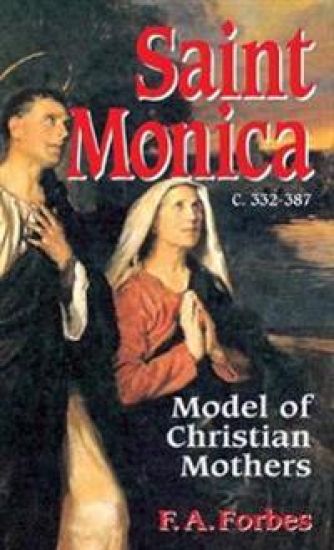
Santa Monica vivio hace mas de dieciseis siglos, pero sufrio los mismos problemas que aquejan a tantas madres hoy en dia: la enemistad de una suegra, un matrimonio dificil, la murmuracion de los envidiosos y, sobre todo, la angustia de ver como su hijo Agustin se alejaba de Dios y desperdiciaba su vida. Ante tantas dificultades, que superaban sus fuerzas, la reaccion de Monica fue poner la otra mejilla y acudir al Senor, porque sabia que era el unico que no la defraudaria. Nunca dejo de pedir por la conversion de su marido y su suegra, que eran paganos, y Dios escucho su plegaria. La conversion de Agustin fue mas dificil. Le gustaban los placeres mundanos, tuvo un hijo sin casarse, se hizo de la secta maniquea e incluso engano a su madre para marcharse a Roma. Sin embargo, pocas cosas mas poderosas hay en el mundo que las lagrimas de una madre derramadas ante Dios. Su hijo llego a ser obispo, santo y doctor de la Iglesia, y Santa Monica sigue siendo para nosotros un modelo de madre y esposa cristiana.
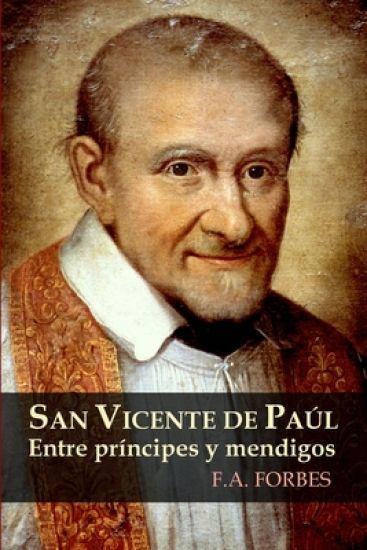
La vida de San Vicente de Paul es fascinante. Nacio de padres campesinos, que se sacrificaron para que pudiera ser sacerdote. Despues de su ordenacion, cayo en manos de los piratas berberiscos y vivio como esclavo en Tunez. Al recobrar la libertad, se convirtio en preceptor de una de las mas nobles familias de Francia y fue consejero real, contrarrestando las intrigas palaciegas con una gran sencillez evangelica. A la vez, cuidaba de los condenados a galeras, mendigos y huerfanos. Fundo la Congregacion de la Mision, dedicada a la predicacion, y las Hijas de la Caridad, al servicio de los pobres y los enfermos. Vivio en una epoca complicada, de guerras y revoluciones que devastaron Francia. En el interior de la Iglesia tambien abundaban los problemas, con la herejia jansenista y la corrupcion en el nombramiento de obispos, dos plagas que San Vicente combatio con todas sus fuerzas. En todas sus actividades, brillaban siempre la caridad y la humildad de los discipulos de Cristo.
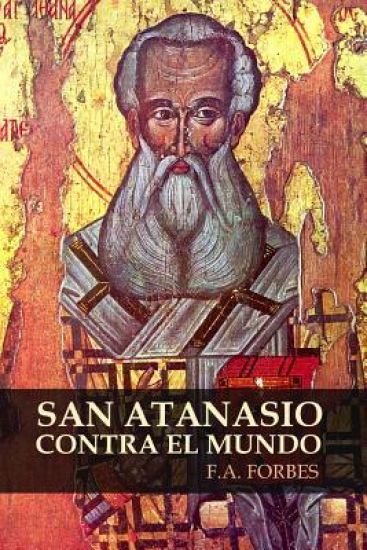
San Atanasio vivio en tiempos turbulentos para la Iglesia. Arrio y sus seguidores negaban que Jesucristo fuera verdaderamente Dios, intentando hacer el cristianismo menos escandaloso a los ojos del mundo. A pesar de que el Concilio de Nicea condeno sus ensenanzas, los arrianos se extendieron por toda la Iglesia con ayuda de los emperadores romanos. Primero como diacono y luego como Patriarca de Alejandria, Atanasio lucho sin descanso para defender la fe de la Iglesia de los que querian deformarla. Por no doblegarse ante el poder imperial, sufrio constantes persecuciones y destierros. Durante anos, goberno su diocesis desde la clandestinidad, escribiendo contra la herejia, ocultandose entre los monjes del desierto y huyendo de los que lo perseguian. San Atanasio fue inflexible con las falsas doctrinas, pero siempre se mostro compasivo con los fieles que se habian dejado enganar o habian sucumbido a la persecucion. El pueblo de Alejandria le tenia un gran afecto y permanecio siempre leal a su Patriarca.
En 1903, la Iglesia se encontraba en una situacion critica. Muchos paises se mostraban hostiles al catolicismo y otros pretendian entrometerse en asuntos eclesiales. En el interior de la Iglesia, los problemas no eran menores. En esa situacion, los cardenales eligieron un papa excepcional. Giuseppe Sarto era Patriarca de Venecia, pero venia de una familia humilde y sabia perfectamente lo que era la penuria y el depender de la caridad de otros. San Pio X no solo fue el primer papa santo en tres siglos, sino tambien el papa que sofoco el modernismo, ese "resumen de todas las herejias", el renovador de la formacion sacerdotal, el reformador de la curia, el defensor de la musica autenticamente religiosa, el que abrio la comunion a los ninos, el papa de los milagros (que el atribuia siempre al poder de las Llaves y no a su persona) y el papa que murio lleno de dolor por el inicio de la Primera Guerra Mundial. En el centenario de su muerte, esta amena biografia nos acerca a la figura de un papa excepcional.
AUTHOR'S PREFACE THOUGH more than 1300 years have gone by since the death of St. Columba, there are few saints whose memory is so living and so strong. This is partly due to his vivid and attractive personality, but in a great measure also to the fact that we have his Biography or Life written at great length by Adamnan, ninth abbot of Iona, who was born only twenty-seven years after Columba's death. Adamnan, who was very young when he entered the community at Iona, could have gathered the materials for his book from the lips of those who had personally known the great Apostle of Scotland, and who had been eye-witnesses of the events recorded. We know that these friends were many, and drawn from all classes, for Columbcille, above all the men of his time, had the gift of being loved, and many instances are related of the passionate devotion of the monks of Iona to their great abbot, no less than that of the multitudes with whom in his long and busy life he had come in contact. Adamnan is considered to be a sober and trustworthy author, and has not exaggerated, as many of the later writers undoubtedly have, the miraculous element in the life of the Saint. Carlyle, who cannot be considered as an advocate of the supernatural, remarks of the Life of St. Columba: "You can see that the man who wrote it could tell no lie. What he meant you cannot always find out; but it is clear that he told things as they appeared to him." There are many interesting relics of Columba still in existence. An ancient stone chalice which he is said to have used at Mass is still preserved in Ireland, together with the flagstone which formed the flooring of Eithne's room the night that he was born. A pathetic custom exists amongst the poor Irish emigrants of sleeping the night before they leave their country on this stone, in the hope that he who made himself an exile from his country for the love of God will by his prayers make the burden of their sorrow easier to bear. The stone which he used for so many years as a pillow is still to be seen amongst the ruins of the cathedral of Iona, which was erected in the twelfth century near the site of the old abbey church of Columba's building, while the ruins of St. Oran's chapel near at hand enclose the very spot where the Saint breathed his last upon the altar steps.
The Life of St Vincent de Paul. c. 1581-1660 His Legacy continues today. Written for teens and young adults. Excerpt: Chapter 5 MISSION WORK THE incident which had given rise to Vincent's first mission at Folleville had never been forgotten by Madame de Gondi. It seemed to her that there was need to multiply such missions among the country poor, and no sooner had Vincent returned to her house than she offered him a large sum of money to endow a band of priests who would devote their lives to evangelizing the peasantry on her estates. Vincent was delighted, but considering himself unfit to undertake the management of such an enterprise, he proposed that it should be put into the hands of the Jesuits or the Oratorians. Madame de Gondi, although convinced in her own mind that Vincent, and Vincent alone, was the man to carry out the enterprise, obediently suggested it to one religious Order after another. In every case some obstacle intervened, until the Countess was more than ever persuaded that her first instinct had been right. Knowing Vincent's loyalty to Holy Church and his obedience to authority, she determined to have recourse to her brother-in-law, the Archbishop of Paris. An old house called the Coll ge des Bons Enfants was at that moment vacant. She asked it of the Archbishop, whom she had interested in her scheme, and who proposed to Vincent to undertake the foundation. There was no longer room for hesitation; the will of God seemed plain; indeed, Vincent's love of the poor had been for some time struggling with his humility. The new Congregation was to consist of a few good priests who, renouncing all thought of honor and worldly advancement, were to devote their lives to preaching in the villages and small towns of France. Their traveling expenses were to be paid from a common fund. They were to spend themselves in the service of their neighbor, instructing, catechizing and exhorting; and they were to take nothing in return for their labors. Nine months of the year were to be given to this kind of work; the other three to prayer and preparation. In March, 1625, the foundation was made, and Vincent de Paul was named the first superior. It was stipulated, however, that he should remain, as he had already promised, in the house of the founders, a condition which seemed likely to doom the enterprise to failure. Vincent could hardly fail to realize how necessary it was that the superior of a new Congregation should be in residence in his own house, but he confided the little company to God and awaited the development of events.