Kirjojen hintavertailu. Mukana 12 390 323 kirjaa ja 12 kauppaa.

Kirjailija

Fabio Rojas

Kirjat ja teokset yhdessä paikassa: 7 kirjaa, julkaisuja vuosilta 2007-2022, suosituimpien joukossa Party in the Street. Vertaile teosten hintoja ja tarkista saatavuus suomalaisista kirjakaupoista.

7 kirjaa

Kirjojen julkaisuhaarukka 2007-2022.

Theory for the Working Sociologist

Theory for the Working Sociologist

Fabio Rojas

Columbia University Press
2017
sidottu
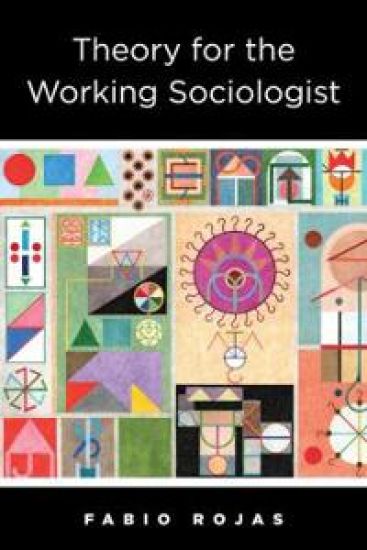
Theory for the Working Sociologist makes social theory easy to understand by revealing sociology's hidden playbook. Fabio Rojas argues that sociologists use four different theoretical "moves" when they try to explain the social world: how groups defend their status, how people strategically pursue their goals, how values and institutions support each other, and how people create their social reality. Rojas uses famous sociological studies to illustrate these four types of theory and show how students and researchers may apply them to their interests. The guiding light of the book is the concept of the "social mechanism," which clearly and succinctly links causes and effects in social life. Drawing on dozens of empirical studies that define modern sociology and focusing on the nuts and bolts of social explanation, Rojas reveals how areas of study within the field of sociology that at first glance seem dissimilar are, in fact, linked by shared theoretical underpinnings. In doing so, he elucidates classical and contemporary theory, and connects both to essential sociological findings made throughout the history of the field. Aimed at undergraduate students, graduate students, journalists, and interested general readers who want a more formal way to understand social life, Theory for the Working Sociologist presents the underlying themes of sociological thought using contemporary research and plain language.
Theory for the Working Sociologist

Theory for the Working Sociologist

Fabio Rojas

Columbia University Press
2017
pokkari
Theory for the Working Sociologist makes social theory easy to understand by revealing sociology's hidden playbook. Fabio Rojas argues that sociologists use four different theoretical "moves" when they try to explain the social world: how groups defend their status, how people strategically pursue their goals, how values and institutions support each other, and how people create their social reality. Rojas uses famous sociological studies to illustrate these four types of theory and show how students and researchers may apply them to their interests. The guiding light of the book is the concept of the "social mechanism," which clearly and succinctly links causes and effects in social life. Drawing on dozens of empirical studies that define modern sociology and focusing on the nuts and bolts of social explanation, Rojas reveals how areas of study within the field of sociology that at first glance seem dissimilar are, in fact, linked by shared theoretical underpinnings. In doing so, he elucidates classical and contemporary theory, and connects both to essential sociological findings made throughout the history of the field. Aimed at undergraduate students, graduate students, journalists, and interested general readers who want a more formal way to understand social life, Theory for the Working Sociologist presents the underlying themes of sociological thought using contemporary research and plain language.

Party in the Street

Party in the Street

Michael T. Heaney; Fabio Rojas

Cambridge University Press
2015
pokkari
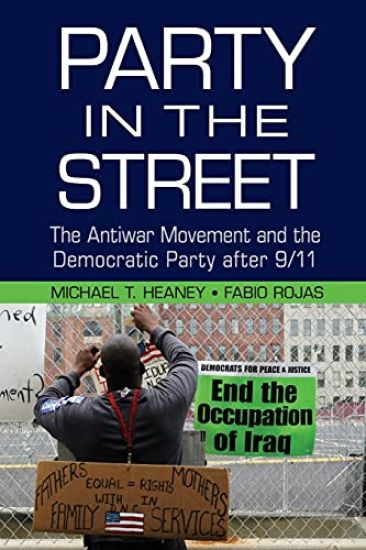
Party in the Street explores the interaction between political parties and social movements in the United States. Examining the collapse of the post-9/11 antiwar movement against the wars in Iraq and Afghanistan, this book focuses on activism and protest in the United States. It argues that the electoral success of the Democratic Party and President Barack Obama, as well as antipathy toward President George W. Bush, played a greater role in this collapse than did changes in foreign policy. It shows that how people identify with social movements and political parties matters a great deal, and it considers the Tea Party and Occupy Wall Street as comparison cases.
Party in the Street

Party in the Street

Michael T. Heaney; Fabio Rojas

Cambridge University Press
2015
sidottu
Party in the Street explores the interaction between political parties and social movements in the United States. Examining the collapse of the post-9/11 antiwar movement against the wars in Iraq and Afghanistan, this book focuses on activism and protest in the United States. It argues that the electoral success of the Democratic Party and President Barack Obama, as well as antipathy toward President George W. Bush, played a greater role in this collapse than did changes in foreign policy. It shows that how people identify with social movements and political parties matters a great deal, and it considers the Tea Party and Occupy Wall Street as comparison cases.
From Black Power to Black Studies

From Black Power to Black Studies

Fabio Rojas

Johns Hopkins University Press
2010
pokkari
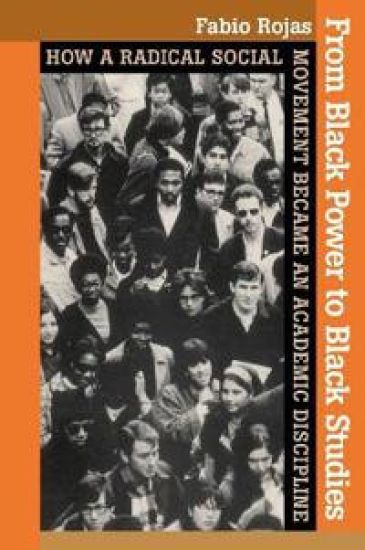
The black power movement helped redefine African Americans' identity and establish a new racial consciousness in the 1960s. As an influential political force, this movement in turn spawned the academic discipline known as Black Studies. Today there are more than a hundred Black Studies degree programs in the United States, many of them located in America's elite research institutions. In From Black Power to Black Studies, Fabio Rojas explores how this radical social movement evolved into a recognized academic discipline. Rojas traces the evolution of Black Studies over more than three decades, beginning with its origins in black nationalist politics. His account includes the 1968 Third World Strike at San Francisco State College, the Ford Foundation's attempts to shape the field, and a description of Black Studies programs at various American universities. His statistical analyses of protest data illuminate how violent and nonviolent protests influenced the establishment of Black Studies programs. Integrating personal interviews and newly discovered archival material, Rojas documents how social activism can bring about organizational change. Shedding light on the black power movement, Black Studies programs, and American higher education, this historical analysis reveals how radical politics are assimilated into the university system.
From Black Power to Black Studies

From Black Power to Black Studies

Fabio Rojas

Johns Hopkins University Press
2007
sidottu
The black power movement helped redefine African Americans' identity and establish a new racial consciousness in the 1960s. As an influential political force, this movement in turn spawned the academic discipline known as Black Studies. Today there are more than a hundred Black Studies degree programs in the United States, many of them located in America's elite research institutions. In From Black Power to Black Studies, Fabio Rojas explores how this radical social movement evolved into a recognized academic discipline. Rojas traces the evolution of Black Studies over more than three decades, beginning with its origins in black nationalist politics. His account includes the 1968 Third World Strike at San Francisco State College, the Ford Foundation's attempts to shape the field, and a description of Black Studies programs at various American universities. His statistical analyses of protest data illuminate how violent and nonviolent protests influenced the establishment of Black Studies programs. Integrating personal interviews and newly discovered archival material, Rojas documents how social activism can bring about organizational change.Shedding light on the black power movement, Black Studies programs, and American higher education, this historical analysis reveals how radical politics are assimilated into the university system.