

Kirjailija
Fabrice Jaumont
Kirjat ja teokset yhdessä paikassa: 24 kirjaa, julkaisuja vuosilta 2016-2024, suosituimpien joukossa ?????? ?????? ?????. Vertaile teosten hintoja ja tarkista saatavuus suomalaisista kirjakaupoista.
24 kirjaa
Kirjojen julkaisuhaarukka 2016-2024.

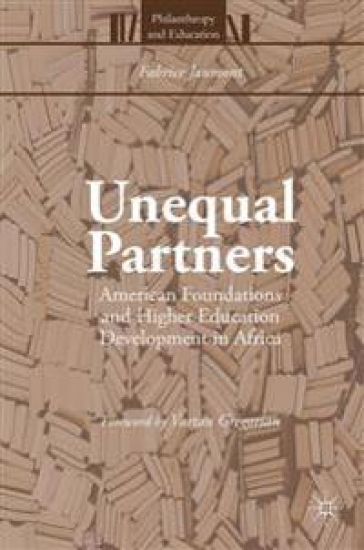
This book offers a nuanced analysis of a US-led foundation initiative of uncommon ambition, featuring seven foundations with a shared commitment to strengthen capacity in higher education in Sub-Saharan African universities. The book examines the conditions under which philanthropy can be effective, the impasses that foundations often face, and the novel context in which philanthropy operates today. This study therefore assesses the shifting grounds on which higher education globally is positioned and the role of global philanthropy within these changing contexts. This is especially important in a moment where higher education is once again recognized as a driver of development and income growth, where knowledge economies requiring additional levels of education are displacing economies predicated on manufacturing, and in a context where higher education itself appears increasingly precarious and under dramatic pressures to adapt to new conditions.

This book offers a nuanced analysis of a US-led foundation initiative of uncommon ambition, featuring seven foundations with a shared commitment to strengthen capacity in higher education in Sub-Saharan African universities. The book examines the conditions under which philanthropy can be effective, the impasses that foundations often face, and the novel context in which philanthropy operates today. This study therefore assesses the shifting grounds on which higher education globally is positioned and the role of global philanthropy within these changing contexts. This is especially important in a moment where higher education is once again recognized as a driver of development and income growth, where knowledge economies requiring additional levels of education are displacing economies predicated on manufacturing, and in a context where higher education itself appears increasingly precarious and under dramatic pressures to adapt to new conditions.