Kirjojen hintavertailu. Mukana 12 253 913 kirjaa ja 12 kauppaa.

Kirjailija

Fanny Wonu Veys

Kirjat ja teokset yhdessä paikassa: 2 kirjaa, julkaisuja vuosilta 2017-2021, suosituimpien joukossa Kirchner og Nolde. Vertaile teosten hintoja ja tarkista saatavuus suomalaisista kirjakaupoista.

2 kirjaa

Kirjojen julkaisuhaarukka 2017-2021.

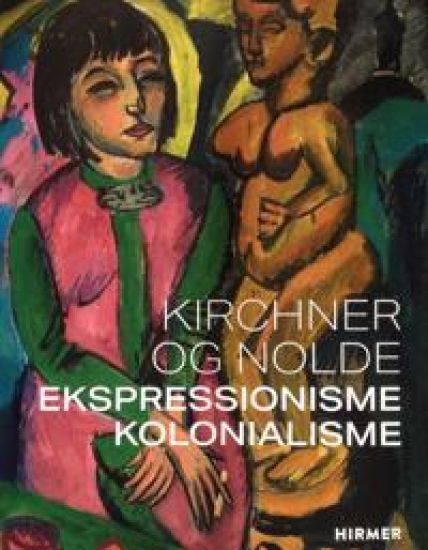
Kirchner og Nolde

Kirchner og Nolde

Dorthe Aagesen; Beatrice von Bormann; Silvia Dolz; Rebekka Habermas; Mette Houlberg Rung; Nancy Jouwe; Dicky Takndare; Natasha A. Kelly; Laetitia Lei; Patrice Nganang; Temi Odumosu; H. Glenn Penny; Amanda Pinatih; Aya Soika; Hilke Thode-Arora; Anna Vestergaard Jørgensen; Fanny Wonu Veys; Andrew Zimmerman

SMK Forlag
2021
nidottu
Ernst Ludwig Kirchner og Emil Nolde er hovedskikkelser i den tyske ekspressionistiske bevægelse. De vendte sig bort fra det europæiske samfund og de etablerede normer i tidens borgerlige kultur og søgte i stedet inspiration i mennesker, livsformer og genstande fra andre dele af verden, især Afrika og Oceanien. I denne bog undersøges Noldes og Kirchners kunst på baggrund af deres historiske og ideologiske kontekst. Her afdækkes forbindelser mellem værkerne og den racetænkning og undertrykkelse, som også er en del af europæisk historie. Dermed afsløres en række mindre kendte og mere voldelige sider af ekspressionismen. Denne publikation er udgivet i anledning af udstillingerne om Nolde og Kirchners virke i 1910'erne, organiseret af SMK - Statens Museum for Kunst, København og Stedelijk Museum Amsterdam i samarbejde med Brücke-Museum, Berlin
Unwrapping Tongan Barkcloth

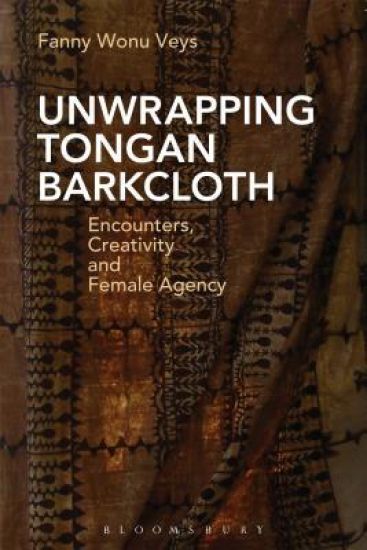
Unwrapping Tongan Barkcloth

Fanny Wonu Veys

Bloomsbury Academic
2017
sidottu
Tongan barkcloth, made from the inner bark of the paper mulberry tree, still features lavishly in Polynesian ceremonies all over the world. Yet despite the attention paid to this textile by anthropologists and art historians alike, little is known about its history. Providing a unique insight into Polynesian material culture, this book explores barkcloth’s rich cultural history, and argues that its manufacture, decoration and use are vehicles of creativity and female agency. Based on twelve years of extensive ethnographic and archival research, the book uncovers stories of ceremony, gender, the senses, religion and nationhood, from the 17th century up to the present-day. Placing the materiality of textiles at the heart of Tongan culture, Veys reveals not only how barkcloth was and continues to be made, but also how it defines what it means to be Tongan. Extending the study to explore the place of barkcloth in the European imagination, she examines international museum collections of Tongan barkcloth, from the UK and Italy to Switzerland and the USA, addressing the bias of the European ‘gaze’ and challenging traditional gendered understandings of the cloth. A nuanced narrative of past and present barkcloth manufacture, designs and use, Unwrapping Tongan Barkcloth demonstrates the importance of the textile to both historical and contemporary Polynesian culture.