Kirjojen hintavertailu. Mukana 12 595 353 kirjaa ja 12 kauppaa.

Kirjailija

Farkhund Iqbal

Kirjat ja teokset yhdessä paikassa: 4 kirjaa, julkaisuja vuosilta 2020-2026, suosituimpien joukossa Forensic Investigation of Smart Digital Devices. Vertaile teosten hintoja ja tarkista saatavuus suomalaisista kirjakaupoista.

4 kirjaa

Kirjojen julkaisuhaarukka 2020-2026.

Forensic Investigation of Smart Digital Devices

Forensic Investigation of Smart Digital Devices

Farkhund Iqbal

TAYLOR FRANCIS LTD
2026
nidottu
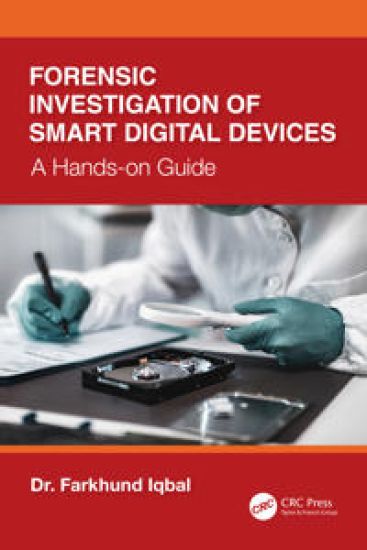
As digital ecosystems advance toward pervasive connectivity, smart devices have become embedded in the operational, social, and economic fabric of modern life. While this integration enhances productivity and accessibility, it generates unprecedented volumes of heterogeneous electronic data and expands the attack surface for cybercrime. The complexity, proprietary architectures, and distributed nature of these technologies simultaneously present profound challenges for contemporary forensic practice. Forensic Investigation of Smart Digital Devices: A Hands-On Guide offers a rigorous and comprehensive examination of these challenges. Across thirteen systematically structured chapters, the book provides an in-depth exploration of forensic methodologies for a wide spectrum of device classes, including IoT infrastructures, smartphones, embedded chips, unmanned aerial vehicles (UAVs), social robots, gaming consoles, smart wearables, mobile applications, and autonomous vehicles. Each chapter translates theory into actionable investigative workflows using validated tools, documented case studies, and reproducible techniques. Addressing both current technologies and emerging frontiers, the book integrates discussions on artificial intelligence (AI), machine learning (ML), computer vision (CV), and advanced computational paradigms, highlighting their transformative role in modern digital forensic analysis. This guide equips forensic investigators, cybersecurity specialists, law enforcement personnel, legal professionals, and academic researchers with the methodological rigor and applied skills required to conduct thorough and reliable forensic investigations. Through practical examples and hands-on exercises, it bridges the gap between theory and practice, offering a valuable resource for strengthening cybersecurity and combating cybercrime in the era of smart connected technologies.
Forensic Investigation of Smart Digital Devices

Forensic Investigation of Smart Digital Devices

Farkhund Iqbal

TAYLOR FRANCIS LTD
2026
sidottu
As digital ecosystems advance toward pervasive connectivity, smart devices have become embedded in the operational, social, and economic fabric of modern life. While this integration enhances productivity and accessibility, it generates unprecedented volumes of heterogeneous electronic data and expands the attack surface for cybercrime. The complexity, proprietary architectures, and distributed nature of these technologies simultaneously present profound challenges for contemporary forensic practice. Forensic Investigation of Smart Digital Devices: A Hands-On Guide offers a rigorous and comprehensive examination of these challenges. Across thirteen systematically structured chapters, the book provides an in-depth exploration of forensic methodologies for a wide spectrum of device classes, including IoT infrastructures, smartphones, embedded chips, unmanned aerial vehicles (UAVs), social robots, gaming consoles, smart wearables, mobile applications, and autonomous vehicles. Each chapter translates theory into actionable investigative workflows using validated tools, documented case studies, and reproducible techniques. Addressing both current technologies and emerging frontiers, the book integrates discussions on artificial intelligence (AI), machine learning (ML), computer vision (CV), and advanced computational paradigms, highlighting their transformative role in modern digital forensic analysis. This guide equips forensic investigators, cybersecurity specialists, law enforcement personnel, legal professionals, and academic researchers with the methodological rigor and applied skills required to conduct thorough and reliable forensic investigations. Through practical examples and hands-on exercises, it bridges the gap between theory and practice, offering a valuable resource for strengthening cybersecurity and combating cybercrime in the era of smart connected technologies.
Machine Learning for Authorship Attribution and Cyber Forensics

Machine Learning for Authorship Attribution and Cyber Forensics

Farkhund Iqbal; Mourad Debbabi; Benjamin C. M. Fung

Springer Nature Switzerland AG
2021
nidottu
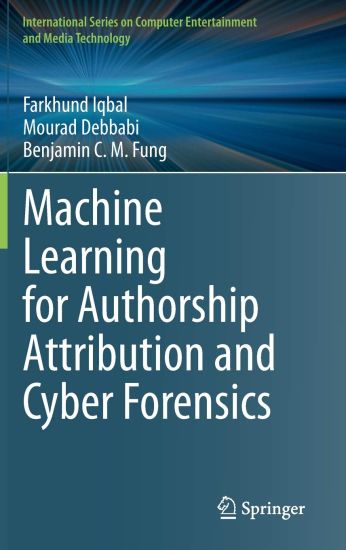
The book first explores the cybersecurity’s landscape and the inherent susceptibility of online communication system such as e-mail, chat conversation and social media in cybercrimes. Common sources and resources of digital crimes, their causes and effects together with the emerging threats for society are illustrated in this book. This book not only explores the growing needs of cybersecurity and digital forensics but also investigates relevant technologies and methods to meet the said needs. Knowledge discovery, machine learning and data analytics are explored for collecting cyber-intelligence and forensics evidence on cybercrimes.Online communication documents, which are the main source of cybercrimes are investigated from two perspectives: the crime and the criminal. AI and machine learning methods are applied to detect illegal and criminal activities such as bot distribution, drug trafficking and child pornography. Authorship analysis is applied to identify the potentialsuspects and their social linguistics characteristics. Deep learning together with frequent pattern mining and link mining techniques are applied to trace the potential collaborators of the identified criminals.Finally, the aim of the book is not only to investigate the crimes and identify the potential suspects but, as well, to collect solid and precise forensics evidence to prosecute the suspects in the court of law.
Machine Learning for Authorship Attribution and Cyber Forensics

Machine Learning for Authorship Attribution and Cyber Forensics

Farkhund Iqbal; Mourad Debbabi; Benjamin C. M. Fung

Springer Nature Switzerland AG
2020
sidottu
The book first explores the cybersecurity’s landscape and the inherent susceptibility of online communication system such as e-mail, chat conversation and social media in cybercrimes. Common sources and resources of digital crimes, their causes and effects together with the emerging threats for society are illustrated in this book. This book not only explores the growing needs of cybersecurity and digital forensics but also investigates relevant technologies and methods to meet the said needs. Knowledge discovery, machine learning and data analytics are explored for collecting cyber-intelligence and forensics evidence on cybercrimes.Online communication documents, which are the main source of cybercrimes are investigated from two perspectives: the crime and the criminal. AI and machine learning methods are applied to detect illegal and criminal activities such as bot distribution, drug trafficking and child pornography. Authorship analysis is applied to identify the potentialsuspects and their social linguistics characteristics. Deep learning together with frequent pattern mining and link mining techniques are applied to trace the potential collaborators of the identified criminals.Finally, the aim of the book is not only to investigate the crimes and identify the potential suspects but, as well, to collect solid and precise forensics evidence to prosecute the suspects in the court of law.