Kirjojen hintavertailu. Mukana 12 310 275 kirjaa ja 12 kauppaa.

Kirjailija

Farrokh Derakhshani

Kirjat ja teokset yhdessä paikassa: 3 kirjaa, julkaisuja vuosilta 2019-2022, suosituimpien joukossa Architecture in Dialogue. Vertaile teosten hintoja ja tarkista saatavuus suomalaisista kirjakaupoista.

3 kirjaa

Kirjojen julkaisuhaarukka 2019-2022.

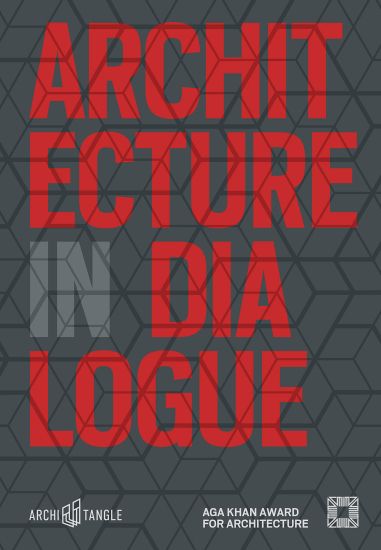
Architecture in Dialogue

Architecture in Dialogue

Farrokh Derakhshani; David Adjaye; Mohammad al-Asad; Emre Arolat; Francesco Bandarin; Meisa Batayneh; Anthony Kwame Appiah; David Chipperfield; Nondita Correa Mehrotra; Elizabeth Diller; Edhem Eldem; Mona Fawaz; Kareem Ibrahim; Hanif Kara; Ali M. Malkawi; Azim Nanji; Nasser Rabbat; Brigitte Shim; Marina Tabassum

ArchiTangle GmbH
2019
sidottu
Aga Khan Award for Architecture 2019 The Aga Khan Award for Architecture is one of the most prestigious and renowned awards for architecture worldwide. Since 1980 the Award has been given every three years to projects that combine social and ecological aspects and translate them into innovative and exemplary design. The Award seeks to identify and encourage building concepts that successfully address the needs and aspirations of societies across the world, in which Muslims have a significant presence. This publication presents the shortlist of the 2017–2019 award cycle. From a group of almost 400, 20 projects have been shortlisted by the Master Jury and evaluated by an expert group of technical reviewers. Some of these projects have been honoured with the Aga Khan Award. In addition to detailed descriptions of all projects, this book gathers a series of personal statements from the members of the Steering Committee and the Award’s Master Jury on key issues that were crucial in the discussions for the final selection and assignment of the award recipients. Assembled together, this book presents a selection of the outstanding examples of sustainable and socially relevant architecture in the world today and opens up fundamental perspectives for the planning of the future.
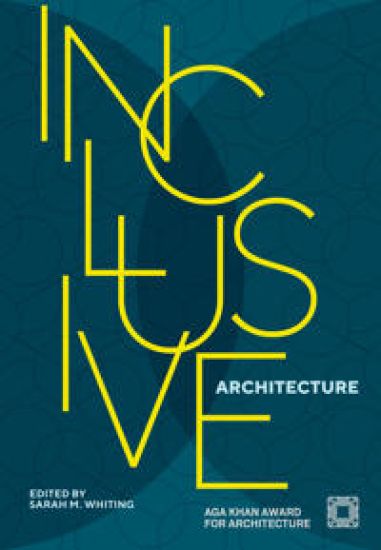
Inclusive Architecture

Inclusive Architecture

Farrokh Derakhshani

ArchiTangle GmbH
2022
sidottu
Aga Khan Award for Architecture 2022 – Inclusive ArchitectureThe release of the Aga Khan Award for Architecture every three years is an enormously important moment for the architecture world. The projects recognized by this Award represent the vanguard of thinking and practice in architecture that goes beyond the regular scope of building, planning and preservation through its strong impact on the needs and aspirations of societies. This publication presents the twenty shortlisted projects, including the six recipients of the 2020–22 cycle of the Award.The Aga Khan Award for Architecture’s mandate is different from that of many other architecture prizes: it not only rewards architects but also identifies municipalities, builders, clients, artisans and engineers who have played essential roles in the realization of a project. This publication thus presents the projects from various viewpoints alongside detailed and up-to-date images and descriptions.The acclaimed, interdisciplinary master jury and steering committee of this cycle of the Aga Khan Award for Architecture that determines the projects presented include David Chipperfield, Francis Kéré, Anna Lacaton, Marina Tabassum, and Sarah M. Whiting, to name but a few. Scholarly essays across various disciplines from members of the master jury and steering committee round out the publication. Contributions include a text on the optimism of humanity by Souleymane Bachir Diagne, director of the Institute of African Studies, Columbia University, and a contextualization of Modern Architecture in the Muslim World by Sibel Bozdogan of Boston University. Kazi Khaleed Ashraf, director-general of the Bengal Institute for Architecture, Landscapes and Settlements, in Dhaka, Bangladesh, writes on the perspective of the dialogical, while Nasser Rabbat, the Aga Khan Professor at MIT, shares notes on architecture as a humanist empire. The texts also include a Salon des Refusés by Nader Teherani, founding principal of Boston-based architecture firm NADAAA.The texts, which come from a wide range of geographies, are informative and descriptive, often striking an emotional note. Together with the project presentations, the publication thereby guides the reader through a contemplation of an architectural question of increasing urgency in our current times of crisis: how to build ethically for our shared global future.With contributions by Kazi Khaleed Ashraf, Sibel Bozdogan, Souleymane Bachir Diagne, Farrokh Derakhshani, Nasser Rabbat, Nader Teherani, and Sarah M. Whiting.
Architecture of Coexistence: Building Pluralism

Architecture of Coexistence: Building Pluralism

Mohammad al-Asad; Ali S. Asani; Simon Burtscher-Matis; Amila Buturovic; Farrokh Derakhshani; Robert Fabach; Eva Grabherr; Amra Hadžimuhamedovic; Tina Gudrun Jensen; Jennifer Mack; Nasser Rabbat; Barbara Steiner; Helen Walasek; Wolfgang Welsch; Azra Akšamija

ArchiTangle GmbH
2020
sidottu
Architecture of Coexistence: Building Pluralism This book investigates how architecture can shape an open-minded and inclusive society, highlighting three internationally renowned projects: the White Mosque in Visoko, Bosnia-Herzegovina (1980); the Islamic Cemetery Altach in Altach, Austria (2012); and the Superkilen public park in Copenhagen, Denmark (2012). Scholarly essays across various disciplines, along with interviews with the architects and users of these projects, provide intriguing insights into architecture’s ability to bridge cultural differences. Soliciting a wide array of questions about migration, transculturalism, visibility, inclusion, and exclusion, the book sheds light on the long-term social processes generated between architectural form and its users. Architecture of Coexistence offers a truly interdisciplinary perspective on a very timely subject: “Building pluralism” means designing for a respectful inclusion of different cultural needs, practices, and traditions. With contributions by Azra Akšamija, Mohammad al-Asad, Ali S. Asani, Simon Burtscher-Matis, Amila Buturovic, Farrokh Derakhshani, Robert Fabach, Eva Grabherr, Amra Hadžimuhamedovic, Tina Gudrun Jensen, Jennifer Mack, Nasser Rabbat, Barbara Steiner, Helen Walasek and Wolfgang Welsch. Photo essays by Velibor Božovic, Cemal Emden, Jesper Lambaek, and Nikolaus Walter.