Kirjojen hintavertailu. Mukana 12 657 676 kirjaa ja 12 kauppaa.

Kirjailija

Faye Ginsburg

Kirjat ja teokset yhdessä paikassa: 4 kirjaa, julkaisuja vuosilta 2012-2024, suosituimpien joukossa Disability Worlds. Vertaile teosten hintoja ja tarkista saatavuus suomalaisista kirjakaupoista.

4 kirjaa

Kirjojen julkaisuhaarukka 2012-2024.

Disability Worlds

Disability Worlds

Faye Ginsburg; Rayna Rapp

DUKE UNIVERSITY PRESS
2024
pokkari
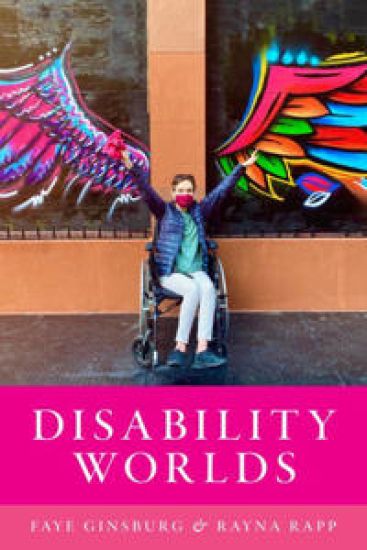
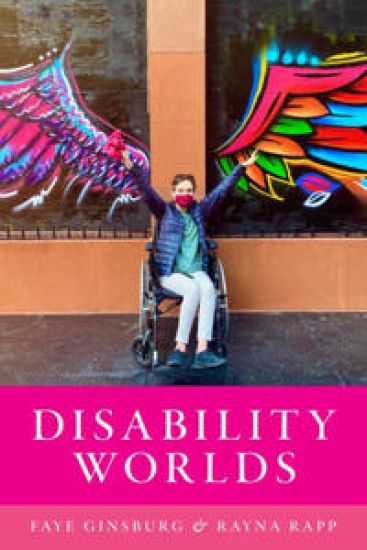
In Disability Worlds, Faye Ginsburg and Rayna Rapp chronicle and theorize two decades of immersion in New York City’s wide-ranging disability worlds as parents, activists, anthropologists, and disability studies scholars. They situate their disabled children’s lives among the experiences of advocates, families, experts, activists, and artists in larger struggles for recognition and rights. Disability consciousness, they show, emerges in everyday politics, practices, and frictions. Chapters consider dilemmas of genetic testing and neuroscientific research, reimagining kinship and community, the challenges of “special education,” and the perils of transitioning from high school. They also highlight the vitality of neurodiversity activism, disability arts, politics, and public culture. Disability Worlds reflects the authors’ anthropological commitments to recognizing the significance of this fundamental form of human difference. Ginsburg and Rapp’s conversations with diverse New Yorkers reveal the bureaucratic constraints and paradoxes established in response to the disability rights movement, as well as the remarkable creativity of disabled people and their allies who are opening pathways into both disability justice and disability futures.
Disability Worlds

Disability Worlds

Faye Ginsburg; Rayna Rapp

DUKE UNIVERSITY PRESS
2024
sidottu
In Disability Worlds, Faye Ginsburg and Rayna Rapp chronicle and theorize two decades of immersion in New York City’s wide-ranging disability worlds as parents, activists, anthropologists, and disability studies scholars. They situate their disabled children’s lives among the experiences of advocates, families, experts, activists, and artists in larger struggles for recognition and rights. Disability consciousness, they show, emerges in everyday politics, practices, and frictions. Chapters consider dilemmas of genetic testing and neuroscientific research, reimagining kinship and community, the challenges of “special education,” and the perils of transitioning from high school. They also highlight the vitality of neurodiversity activism, disability arts, politics, and public culture. Disability Worlds reflects the authors’ anthropological commitments to recognizing the significance of this fundamental form of human difference. Ginsburg and Rapp’s conversations with diverse New Yorkers reveal the bureaucratic constraints and paradoxes established in response to the disability rights movement, as well as the remarkable creativity of disabled people and their allies who are opening pathways into both disability justice and disability futures.
Radio Fields

Radio Fields

Faye Ginsburg

New York University Press
2012
sidottu
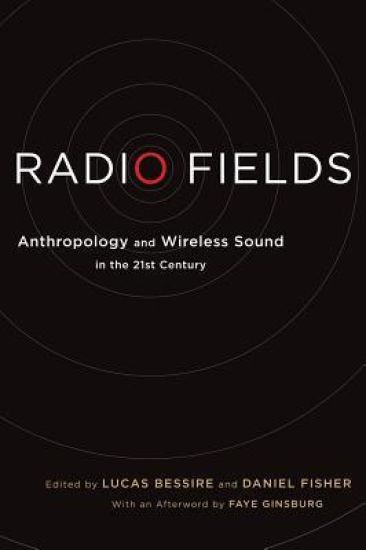
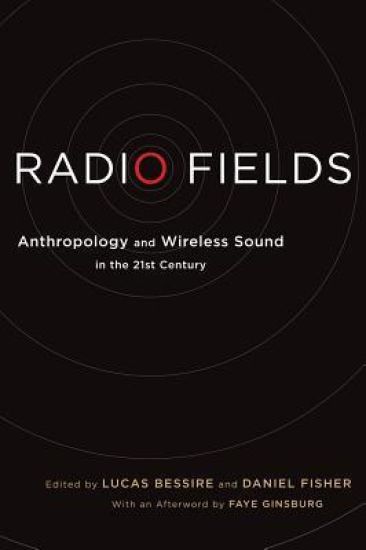
Radio is the most widespread electronic medium in the world today. As a form of technology that is both durable and relatively cheap, radio remains central to the everyday lives of billions of people around the globe. It is used as a call for prayer in Argentina and Appalachia, to organize political protest in Mexico and Libya, and for wartime communication in Iraq and Afghanistan. In urban centers it is played constantly in shopping malls, waiting rooms, and classrooms. Yet despite its omnipresence, it remains the media form least studied by anthropologists. Radio Fields employs ethnographic methods to reveal the diverse domains in which radio is imagined, deployed, and understood. Drawing on research from six continents, the volume demonstrates how the particular capacities and practices of radio provide singular insight into diverse social worlds, ranging from aboriginal Australia to urban Zambia. Together, the contributors address how radio creates distinct possibilities for rethinking such fundamental concepts as culture, communication, community, and collective agency.
Radio Fields

Radio Fields

Faye Ginsburg

New York University Press
2012
pokkari
Radio is the most widespread electronic medium in the world today. As a form of technology that is both durable and relatively cheap, radio remains central to the everyday lives of billions of people around the globe. It is used as a call for prayer in Argentina and Appalachia, to organize political protest in Mexico and Libya, and for wartime communication in Iraq and Afghanistan. In urban centers it is played constantly in shopping malls, waiting rooms, and classrooms. Yet despite its omnipresence, it remains the media form least studied by anthropologists. Radio Fields employs ethnographic methods to reveal the diverse domains in which radio is imagined, deployed, and understood. Drawing on research from six continents, the volume demonstrates how the particular capacities and practices of radio provide singular insight into diverse social worlds, ranging from aboriginal Australia to urban Zambia. Together, the contributors address how radio creates distinct possibilities for rethinking such fundamental concepts as culture, communication, community, and collective agency.