Kirjojen hintavertailu. Mukana 12 595 353 kirjaa ja 12 kauppaa.
Kirjailija
Fernanda Corghi
Kirjat ja teokset yhdessä paikassa: 6 kirjaa, julkaisuja vuosilta 2018-2024, suosituimpien joukossa Espacios para la locura. Vertaile teosten hintoja ja tarkista saatavuus suomalaisista kirjakaupoista.
Die Gr ndung psychiatrischer Anstalten in Brasilien ist das Ergebnis eines autorit ren st dtischen Regulierungsprozesses, in dessen Rahmen unz hlige Menschen zusammengetrieben wurden, um sie im Einklang mit der hygienischen und eugenischen Politik des 20. Jahrhunderts in das gesellschaftliche Leben zur ckzuf hren. Die psychiatrischen Krankenh user waren darauf ausgerichtet, die Insassen zu isolieren, zu kontrollieren und zu berwachen, wobei es immer wieder zu Misshandlungen und Todesf llen kam. Erst mit der Psychiatriereform, die geistig Behinderten die Staatsb rgerschaft zuerkannte und die T ren der Anstalten ffnete, nderte sich die Situation. Dieser Prozess hat immer noch die heikle Aufgabe, mit der Feindseligkeit in der Bev lkerung umzugehen, die kognitive St rungen als etwas Gef hrliches oder Unf higes ansieht. Das berdenken der Planung von therapeutischen Umgebungen in einer Art und Weise, die den Archetyp der psychiatrischen Klinik aufl st, ist ein Beispiel daf r, wie wichtig die Untersuchung dieses Szenarios in Architektur und St dtebau f r die Dekonstruktion von Paradigmen ist, die mit Wahnsinn verbunden sind. Daher wird die Arbeit die Stiftung des staatlichen Krankenhauses von Minas Gerais (FHEMIG) als Fallstudie verwenden, das erste psychiatrische Krankenhaus, das in Minas Gerais gegr ndet wurde und in der Stadt Barbacena liegt.
Les institutions psychiatriques br siliennes sont n es d'un processus de r gulation urbaine autoritaire, qui a regroup d'innombrables personnes afin de les r ins rer dans la vie sociale, conform ment aux politiques hygi nistes et eug nistes du XXe si cle. Les h pitaux psychiatriques ont t con us pour isoler, contr ler et surveiller les d tenus, o les mauvais traitements taient constants et les d c s fr quents. La situation ne s'est invers e qu'avec la mise en oeuvre de la r forme psychiatrique, qui a accord la citoyennet aux personnes handicap es mentales et ouvert les portes de l'asile. Ce processus a encore le r le d licat de faire face l'hostilit pr sente dans la population, qui consid re les troubles cognitifs comme quelque chose de dangereux ou d'incapable. Repenser la planification des environnements th rapeutiques de mani re d manteler l'arch type de la clinique psychiatrique est un exemple de l'importance de l' tude de ce sc nario dans l'architecture et l'urbanisme pour d construire les paradigmes qui lient la folie. Par cons quent, le travail utilisera la Fondation de l'h pital de l' tat du Minas Gerais (FHEMIG) comme tude de cas, le premier h pital psychiatrique fond dans le Minas Gerais, situ dans la ville de Barbacena.
Le istituzioni psichiatriche in Brasile sono state fondate come risultato di un processo di regolamentazione urbana autoritaria, che ha radunato innumerevoli persone per restituirle alla vita sociale in conformit con le politiche igieniste ed eugenetiche del XX secolo. Gli ospedali psichiatrici erano progettati per isolare, controllare e monitorare i loro detenuti, dove i maltrattamenti erano costanti e le morti frequenti. La situazione si ribaltata solo con l'attuazione della Riforma psichiatrica, che ha concesso la cittadinanza ai disabili mentali e ha aperto le porte del manicomio. Questo processo ha ancora il delicato ruolo di affrontare l'ostilit presente nella popolazione, che considera i disturbi cognitivi come qualcosa di pericoloso o incapace. Ripensare la progettazione di ambienti terapeutici in modo da smontare l'archetipo della clinica psichiatrica un esempio di come lo studio di questo scenario in Architettura e Urbanistica sia importante per decostruire i paradigmi che legano la follia. Per questo motivo, il lavoro utilizzer come caso di studio la Fondazione dell'Ospedale di Stato del Minas Gerais (FHEMIG), il primo ospedale psichiatrico fondato nel Minas Gerais, situato nella citt di Barbacena.
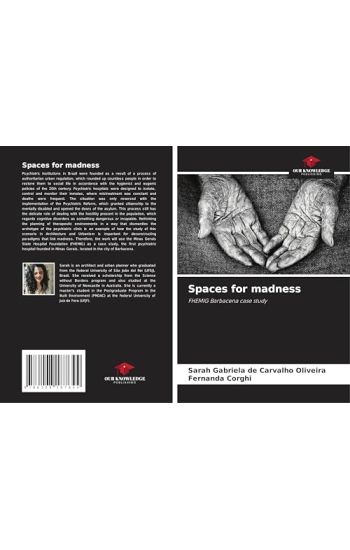
Psychiatric institutions in Brazil were founded as a result of a process of authoritarian urban regulation, which rounded up countless people in order to restore them to social life in accordance with the hygienist and eugenic policies of the 20th century. Psychiatric hospitals were designed to isolate, control and monitor their inmates, where mistreatment was constant and deaths were frequent. The situation was only reversed with the implementation of the Psychiatric Reform, which granted citizenship to the mentally disabled and opened the doors of the asylum. This process still has the delicate role of dealing with the hostility present in the population, which regards cognitive disorders as something dangerous or incapable. Rethinking the planning of therapeutic environments in a way that dismantles the archetype of the psychiatric clinic is an example of how the study of this scenario in Architecture and Urbanism is important for deconstructing paradigms that link madness. Therefore, the work will use the Minas Gerais State Hospital Foundation (FHEMIG) as a case study, the first psychiatric hospital founded in Minas Gerais, located in the city of Barbacena.