Kirjojen hintavertailu. Mukana 12 137 500 kirjaa ja 12 kauppaa.

Kirjailija

Filip Kovacevic

Kirjat ja teokset yhdessä paikassa: 3 kirjaa, julkaisuja vuosilta 2006-2025, suosituimpien joukossa KGB Literati. Vertaile teosten hintoja ja tarkista saatavuus suomalaisista kirjakaupoista.

3 kirjaa

Kirjojen julkaisuhaarukka 2006-2025.

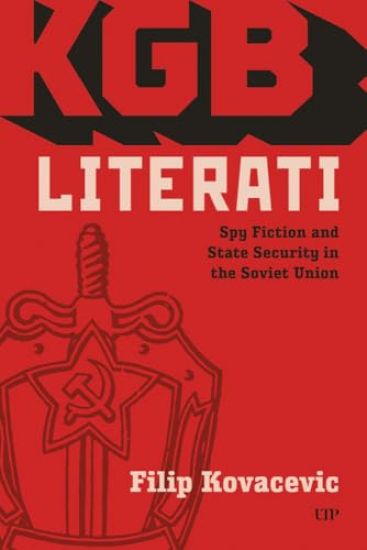
KGB Literati

KGB Literati

Filip Kovacevic

UNIVERSITY OF TORONTO PRESS
2025
sidottu
Once out of active service, many former spies have turned to writing spy fiction. They drop the dagger and pick up the pen. Some are very successful, like James Bond’s creator Ian Fleming or the novelists John Le Carré and Graham Greene. Their Soviet counterparts have rarely been afforded the same attention or examination. Drawing on materials from KGB archives and Soviet publications long out of print, KGB Literati offers the first-ever account of spy fiction written, frequently with institutional support, by Soviet intelligence and counterintelligence officers. Spy fiction can give insights into the operational workings of clandestine agencies and the personal dimensions of secret service work. By analysing the literary output of KGB spies and counterspies, the book shows that for the KGB, this type of intervention into Soviet popular culture was a crucial component of their overall counterintelligence strategy. These texts played an instrumental role in the Soviet state’s efforts to neutralize and counter Western cultural influences on the Soviet population. Filip Kovacevic’s research is of great relevance today, given that a large segment of the Russian ruling elite is still composed of former KGB officers, including Russian president Vladimir Putin. KGB Literati illuminates the deep-seated KGB myths, values, aspirations, and fears that continue to have a profound impact on the foreign and domestic policies of the Russian Federation.
KGB Literati

KGB Literati

Filip Kovacevic

UNIVERSITY OF TORONTO PRESS
2025
pokkari
Once out of active service, many former spies have turned to writing spy fiction. They drop the dagger and pick up the pen. Some are very successful, like James Bond’s creator Ian Fleming or the novelists John Le Carré and Graham Greene. Their Soviet counterparts have rarely been afforded the same attention or examination. Drawing on materials from KGB archives and Soviet publications long out of print, KGB Literati offers the first-ever account of spy fiction written, frequently with institutional support, by Soviet intelligence and counterintelligence officers. Spy fiction can give insights into the operational workings of clandestine agencies and the personal dimensions of secret service work. By analysing the literary output of KGB spies and counterspies, the book shows that for the KGB, this type of intervention into Soviet popular culture was a crucial component of their overall counterintelligence strategy. These texts played an instrumental role in the Soviet state’s efforts to neutralize and counter Western cultural influences on the Soviet population. Filip Kovacevic’s research is of great relevance today, given that a large segment of the Russian ruling elite is still composed of former KGB officers, including Russian president Vladimir Putin. KGB Literati illuminates the deep-seated KGB myths, values, aspirations, and fears that continue to have a profound impact on the foreign and domestic policies of the Russian Federation.
Liberating Oedipus?

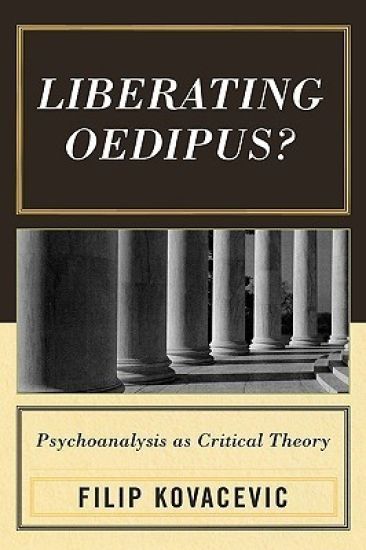
Liberating Oedipus?

Filip Kovacevic

Lexington Books
2006
sidottu
In Liberating Oedipus?: Psychoanalysis as Critical Theory, Dr. Filip Kovacevic demonstrates how psychoanalytic theory can join political theory in designing alternative political norms and values. Detailing the thoughts of major psychologists including Sigmund Freud, Jacques Lacan, and Alain Badiou, this book offers a new approach to traditional Lacanian theory. Kovacevic's emphasis on Lacanian psychoanalysis is especially relevant due to the modern challenges of failed globalization and the subsequent terrorist reactions. Kovacevic proves that political practice without an emancipatory psychology to guide it is potentially dangerous. Liberating Oedipus? is a critical text for scholars of political theory and those interested in the history of ideas.