Kirjojen hintavertailu. Mukana 12 390 323 kirjaa ja 12 kauppaa.

Kirjailija

Fiona I. B. Ngô

Kirjat ja teokset yhdessä paikassa: 2 kirjaa, julkaisuja vuodelta 2014, suosituimpien joukossa Imperial Blues. Vertaile teosten hintoja ja tarkista saatavuus suomalaisista kirjakaupoista.

2 kirjaa

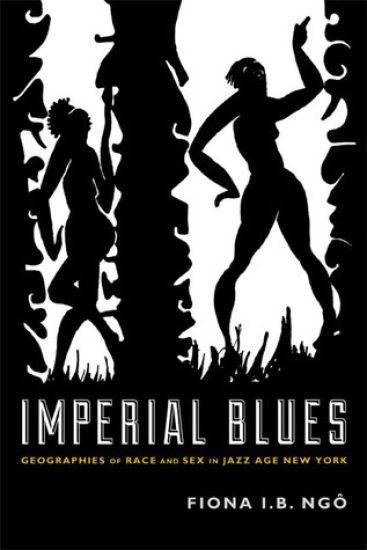
Imperial Blues

Imperial Blues

Fiona I. B. Ngô

Duke University Press
2014
pokkari
In this pathbreaking study, Fiona I. B. Ngô examines how geographies of U.S. empire were perceived and enacted during the 1920s and 1930s. Focusing on New York during the height of the Harlem Renaissance, Ngô traces the city's multiple circuits of jazz music and culture. In considering this cosmopolitan milieu, where immigrants from the Philippines, Cuba, Puerto Rico, Mexico, Japan, and China crossed paths with blacks and white "slummers" in dancehalls and speakeasies, she investigates imperialism's profound impact on racial, gendered, and sexual formations. As nightclubs overflowed with the sights and sounds of distant continents, tropical islands, and exotic bodies, tropes of empire provided both artistic possibilities and policing rationales. These renderings naturalized empire and justified expansion, while establishing transnational modes of social control within and outside the imperial city. Ultimately, Ngô argues that domestic structures of race and sex during the 1920s and 1930s cannot be understood apart from the imperial ambitions of the United States.
Imperial Blues

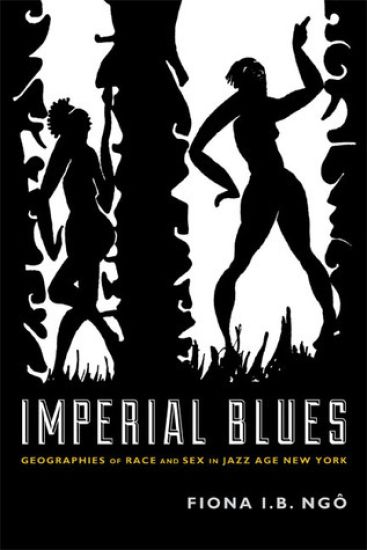
Imperial Blues

Fiona I. B. Ngô

Duke University Press
2014
sidottu
In this pathbreaking study, Fiona I. B. Ngô examines how geographies of U.S. empire were perceived and enacted during the 1920s and 1930s. Focusing on New York during the height of the Harlem Renaissance, Ngô traces the city's multiple circuits of jazz music and culture. In considering this cosmopolitan milieu, where immigrants from the Philippines, Cuba, Puerto Rico, Mexico, Japan, and China crossed paths with blacks and white "slummers" in dancehalls and speakeasies, she investigates imperialism's profound impact on racial, gendered, and sexual formations. As nightclubs overflowed with the sights and sounds of distant continents, tropical islands, and exotic bodies, tropes of empire provided both artistic possibilities and policing rationales. These renderings naturalized empire and justified expansion, while establishing transnational modes of social control within and outside the imperial city. Ultimately, Ngô argues that domestic structures of race and sex during the 1920s and 1930s cannot be understood apart from the imperial ambitions of the United States.