Kirjojen hintavertailu. Mukana 12 390 323 kirjaa ja 12 kauppaa.
Kirjailija
Fiston Mwanza Mujila
Kirjat ja teokset yhdessä paikassa: 14 kirjaa, julkaisuja vuosilta 2015-2026, suosituimpien joukossa Reverse Imagining Vienna. Vertaile teosten hintoja ja tarkista saatavuus suomalaisista kirjakaupoista.
Finalist for the National Book Award for Translated Literature Zaire. Late 90's. Mobutu's thirty-year reign is tottering. In Lubumbashi, the stubbornly homeless Sanza has fallen in with a trio of veteran street kids led by the devious Ngungi. A chance encounter with the mysterious Monsieur Guillaume seems to offer a way out . . . Meanwhile in Angola, Molakisi has joined thousands of fellow Zairians hoping to make their fortunes hunting diamonds, while Austrian Franz finds himself roped into writing the memoirs of the charismatic Tshiamuena, the "Madonna of the Cafunfo Mines." Things are drawing to a head, but at the Mambo de la Fête, they still dance the Villain's Dance from dusk till dawn.
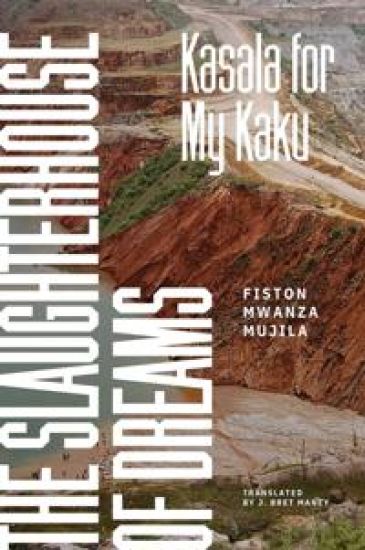
A new poetic form from Fiston Mwanza Mujila, lauded author of novels Tram 83 and The Villain's Dance and poetry collection The River in the Belly.The Slaughterhouse of Dreams is rooted in a traditional Congolese form of praise poem that ties together proverbs, myths, fables, and riddles into a recitation, accompanied by music. In Mwanza Mujila's skilled hands, this oral tradition becomes a new multimedia form, kasala, set to the page while retaining the remarkable drama, emotion, and celebration of its performed root. In The Slaughterhouse of Dreams, multiple lyrical traditions create a hybrid world of different global spaces and layers of time. Within this world, everything is possible, real and surreal at the same time. With the rhythmic, frenetic energy found in his poetry, prose, and performances, Fiston Mwanza Mujila reanimates and simultaneously deconstructs ideas of the (post)colonial environment.
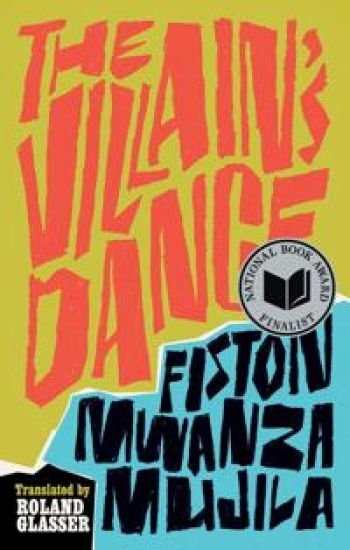
Finalist for the National Book Award for Translated Literature Full of wit, music, and a rollicking cast of characters, The Villain's Dance shows Fiston Mwanza Mujila is back with a bang. Zaire. Late 90's. Mobutu's thirty-year reign is tottering. In Lubumbashi, the stubbornly homeless Sanza has fallen in with a trio of veteran street kids led by the devious Ngungi. A chance encounter with the mysterious Monsieur Guillaume seems to offer a way out . . . Meanwhile in Angola, Molakisi has joined thousands of fellow Zairians hoping to make their fortunes hunting diamonds, while Austrian Franz finds himself roped into writing the memoirs of the charismatic Tshiamuena, the "Madonna of the Cafunfo Mines." Things are drawing to a head, but at the Mambo de la Fête, they still dance the Villain's Dance from dusk till dawn.
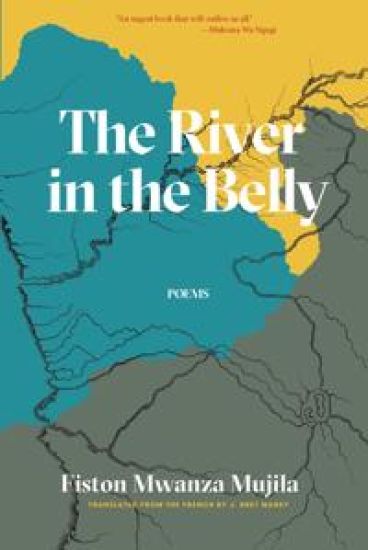
A moving lyric meditation on the Congo River that explores the identity, chaos, and wonder of the Democratic Republic of Congo as well as race and the detritus of colonialism.With The River in the Belly, award-winning Congolese author Fiston Mwanza Mujila seeks no less than to reinitiate the Congo River in the imaginary of European languages. Through his invention of the “solitude”—a short poetic form lending itself to searing observation and troubled humor, prone to unexpected tonal shifts and lyrical u-turns—the collection celebrates, caresses, and chastises Central Africa’s great river, the world’s second largest by discharge volume.Drawing inspiration from sources as diverse as Soviet history, Congolese popular music, international jazz, and everyday life in European exile, Mwanza Mujila has fashioned a work that can speak to the extraordinary hopes and tragedies of post-independence Democratic Republic of the Congo while also mining the generative yet embattled subject position of the African diasporic writer in Europe longing for home.Fans of Tram 83 will discover in River the same incandescent, improvisatory verbal energy that so dazzled them in Mwanza Mujila’s English-language debut.
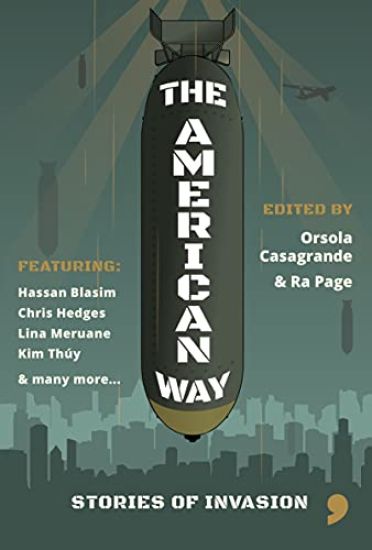
Following the US's bungled withdrawal from Afghanistan, and the scenes of chaos at Kabul Airport, we could be forgiven for thinking we're experiencing an 'end of empire' moment, that the US is entering a new, less belligerent era in its foreign policy, and that its tenure as self-appointed 'global policeman' is coming to an end. Before we get our hopes up though, it's wise to remember exactly what this policeman has done, for the world, and ask whether it's likely to change its behaviour after any one setback. After 75 years of war, occupation, and political interference - installing dictators, undermining local political movements, torturing enemies, and assisting in the arrest of opposition leaders (from OEcalan to Mandela) - the US military-industrial complex doesn't seem to know how to stop. This anthology explores the human cost of these many interventions onto foreign soil, with stories by writers from that soil - covering everything from torture in Abu Ghraib, to coups and counterrevolutionary wars in Latin America, to all-out invasions in the Middle and Far East. Alongside testimonies from expert historians and ground-breaking journalists, these stories present a history that too many of us in the West simply pretend never happened. This new anthology re-examines this history with stories that explore the human cost of these interventions on foreign soil, by writers from that soil. From nuclear testing in the Pacific, to human testing of CIA torture tactics, from coups in Latin America, to all-out invasions in the Middle and Far East; the atrocities that follow are often dismissed in history books as inevitable in the 'fog of war'. By presenting them from indigenous, grassroots perspectives, accompanied by afterwords by the historians that consulted on them, this book attempts to bring some clarity back to that history.
I Zaire rasar både inbördeskrig och gruvor. Över den från kolonialtiden ärvda gränsen till Angola flyttas såväl diamanter som de zairier som gräver fram dem i gruvorna, beskyddade av den gudomliga Tshiamuena. I Lubumbashi målas de officiella byggnaderna om i olika färger beroende på vem som har makten, trots att gatorna egentligen tillhör de hemlösa barnen som Sanza och Le Blanc.I Lubumbashi ligger också baren Festens mambo där det dansas rumba till Skurkens dans. I myllret möts lycksökare, kolonisatörer, gruvarbetare, hemlig polis och den österrikiska författaren Franz Baumgartner med en väska fylld av ord. Drömmarna rinner bort med ölen och musiken ger rytm till våldet och det politiska spelet i en malström av galenskap. I Skurkens dans skildrar Fiston Mwanza Mujila människorna som gör vad de kan för att överleva i en omgivning präglad av konflikter, diktatorers maktbegär och kolonialismens arv.
"En både flabet og forførende bog" Politiken"Litteratur til tiden og tidsånden ... en righoldig roman" WeekendavisenAnmelderroste Fiston Mwanza Mujila, der debuterede i 2017 med Spor 83, byder op til dans: Stodderdansen! Stodderdansen danses på værtshuset 'Mambo og fest' i Lubumbashi, Zaire.Stodderdansen spilles på heftige hawaiiguitarer, congas, bækkener, vibrafon, sax og basklarinet.Stodderdansen er ikke kun en sang og en dans, men også en samling sjofelheder og en livsform.Stodderdansen er en roman om musik, øl og overlevelse. Om politik, vold og galskab.Stodderdansen slår dørene til et sprudlende, sprællende og livskraftigt Afrika op på vid gab.Mujila roses med rette for humoristisk, litterært, kærligt og ikke mindst musisk at skrive om en afrikansk virkelighed langt fra folkloristiske klicheer. Debutromanen Spor 83 er skrevet på brændstoffet jazz, Stodderdansen kører på rumba.
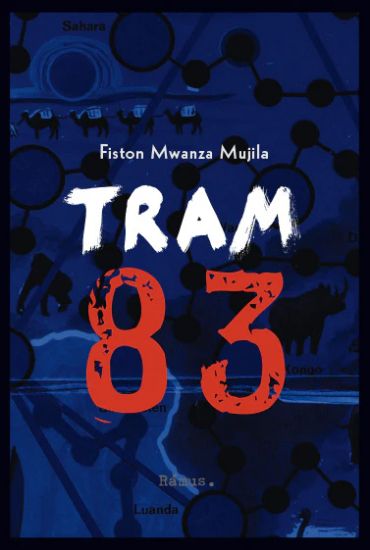
Tram 83 är en bergochdalbana till roman av den unge kongolesiske författaren Fiston Mwanza Mujila. Baren Tram 83, i det afrikanska landet Stad- Landet, är en mötesplats för lycksökare, rebeller, alkoholister, gruvarbetare, kolonialister, turister och brottslingar till en ständig bakgrundsmatta av musik. Prostituerade i alla åldrar försöker locka in män på toaletterna eller allra helst på en resa till Europa. Här återses också två gamla vänner, en lovande författare och en hårdhudad utpressare, och en europeisk förläggare däremellan. Fiston Mwanza Mujila är född 1981 i Kongo och bosatt i Graz. Under flera år har Mujila varit en omtalad dramatiker och poet på den europeiska spoken word-scenen, som i sitt skrivande lyckats förvalta en kongolesisk tradition skriven i en tydlig modern europeisk kontext, med motiv från den politiska turbulens som följde Kongos självständighet. I Tram 83 lyckas han skapa en allegori för en ny globaliserad värld där fördomar och föreställningar möter verkligheten. Världen har blivit en global by där vi alla sammanstrålar och boken skildrar såväl en afrikansk stat som reflekterar över samtiden i Europa och deras gemensamma koloniala historia. En nervös och energisk skildring av ett nyupptäckt land och språk. Det är litterär dynamit skriven med ett febrigt och förförande språk som i det närmaste kan liknas med musikalisk rytm och jazzimprovisationer.
"An exuberantly dark first novel." ? NPR's Fresh Air w/ Terry Gross **Nominated for the Man Booker International Prize 2016** **Winner of the 2015 Etisalat Prize for Debut African Fiction** Two friends, one a budding writer home from abroad, the other an ambitious racketeer, meet in the most notorious nightclub?Tram 83?in a war-torn city-state in secession, surrounded by profit-seekers of all languages and nationalities. Tram 83 plunges the reader into the modern African gold rush as cynical as it is comic and colorfully exotic, using jazz rhythms to weave a tale of human relationships in a world that has become a global village. **One of Flavorwire's 33 Must-Read Books for Fall 2015** Fiston Mwanza Mujila (b. 1981, Lubumbashi, Democratic Republic of Congo) is a poet, dramatist, and scholar. Tram 83 is his award-winning and much raved-about debut novel that caused a literary sensation when published in France in August 2014.