
Kirjailija
Fran Lock
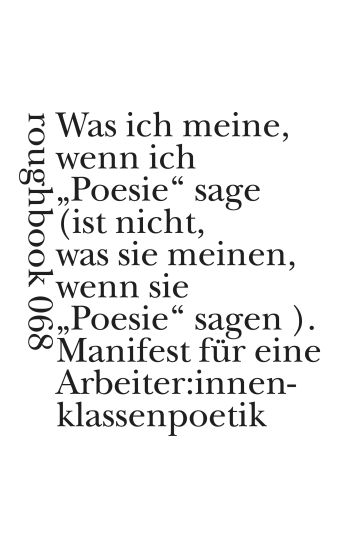
Kirjat ja teokset yhdessä paikassa: 8 kirjaa, julkaisuja vuosilta 2014-2025, suosituimpien joukossa Manifest für eine Arbeiter:innenklassenpoetik. Vertaile teosten hintoja ja tarkista saatavuus suomalaisista kirjakaupoista.
8 kirjaa
Kirjojen julkaisuhaarukka 2014-2025.
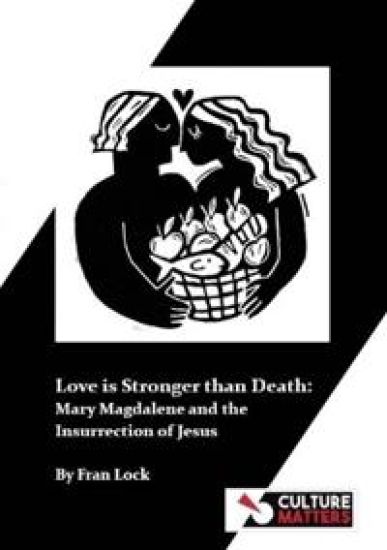
Love is Stronger than Death: Mary Magdalene and the Insurrection of Jesus
Fran Lock
Culture Matters Co-operative Ltd
2025
nidottu
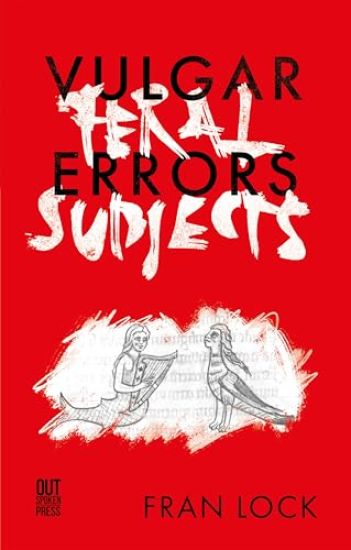
"what should i tell you? that feral will not enrich you. that feral will not be mastered. feral is ‘wild’ without utility. it offers nothing, and it asks for nothing in return."In this uncompromising collection of lyric essays, T.S. Eliot Prize-shortlisted poet Fran Lock pulls us with her into the vortex of the ‘feral’. From medieval bestiaries to Poundland, Edmund Spenser to X-Ray Spex, in Vulgar Errors / Feral Subjects Lock explores and eviscerates historical and cultural links between animality and otherness in contexts ranging across class, gender, queerness and Irishness. Overflowing with ‘strange rigour’ and a rage that is ‘tempering hope’ Lock excavates the ways feral is at once both trap and means of liberation.‘Fran Lock is our savvy sc/avenging angel, undoing the curse of racial capitalism’s stranglehold on language and meaning. Mattering out of place, Vulgar Errors / Feral Subjects is endlessly errant, reminding us that writing is “a verb, not a noun,” immersive, propulsive and absolutely extra. Every line is so alive, so completely itself, it leaps from the page to flare bright & huge as graffiti on every wall until they fall.’ — So Mayer
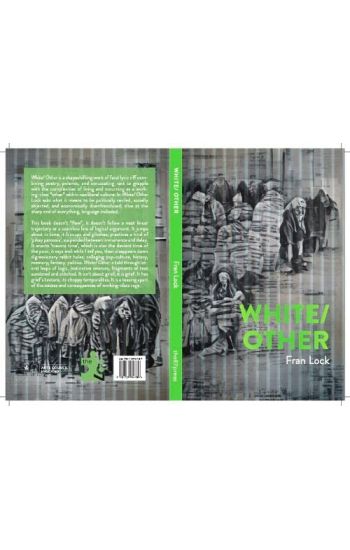
White/ Other is a strange hybrid beast - part poetry, part polemic, part sectarian graffiti - a long lyric essay that grapples with the complexities of writing and living from the position of the absent subject: that is the white working-class "other" within neo-liberal culture.
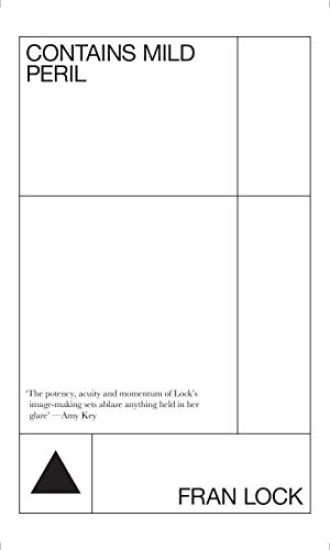
Contains Mild Peril is a book permeated by anxiety, not fatal threat, but the ambient manic hum of daily life. Precarity does something to us at the level of language; it shapes the ways we see and say. Our current climate – political, environmental, economic – engenders its own nervy music. These poems channel this collective apprehension in ways both deeply personal and instantly familiar. It is a collection that abounds in loss, in a sense of being lost, and in the gnawing fear of losing, yet its speakers address us with urgency. This is language in the throes of fighting back.

Dogtooth is a book about ghosts. Not in the undead sense, but more as in the spectres and echoes of absent friends. It looks at the discomforts, paranoias and phobias that haunt a very particular cultural moment.It’s a book about fear, about a background static of suspicion. It’s about the twin anxieties of identity and assimilation, the folklore we carry and are carried by. The stories we tell ourselves about ourselves, and the damage those stories do.
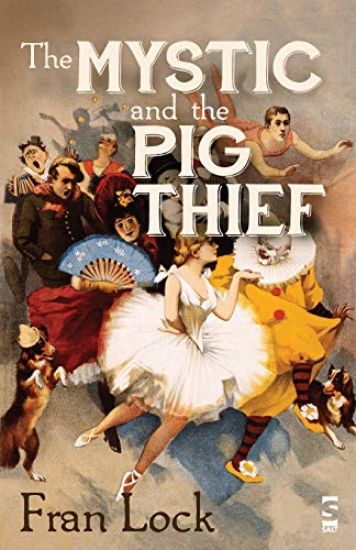
The Mystic and The Pig Thief is, in part, an elegy. It is also a book about the pain of being imperfectly assimilated, a book about being torn between the culture you come from and the society you’re obliged to live in; a book about being pulled both ways while belonging to neither camp. The poems cross back and forth between bleak rural isolation and claustrophobic urban squalor, in Ireland, in England and in Europe. Mystic and Pig Thief are travellers, but more than being literally itinerant, they are spiritually homeless, and this to a terrible cost. The central sequence charts their inevitable transition from nomadic life, to a scattered, so-called settled existence on working-class sink estates. They stumble and struggle, picking up scraps of tradition and folklore; flirting on the fringes of the new-age ‘crusty’ scene, but always marginal, peripheral, only ever truly real to each other. Although portions of the sequence take Ireland as their back-drop, The Mystic and The Pig Thief is not about Irishness, or even about “Travellerness” per se. It is about loss, about the fall-out from, and the strategies for, dealing with an identity in rapid dissolution.