Kirjojen hintavertailu. Mukana 12 390 323 kirjaa ja 12 kauppaa.

Kirjailija

Francis Pryor

Kirjat ja teokset yhdessä paikassa: 21 kirjaa, julkaisuja vuosilta 1998-2025, suosituimpien joukossa Seahenge. Vertaile teosten hintoja ja tarkista saatavuus suomalaisista kirjakaupoista.

21 kirjaa

Kirjojen julkaisuhaarukka 1998-2025.

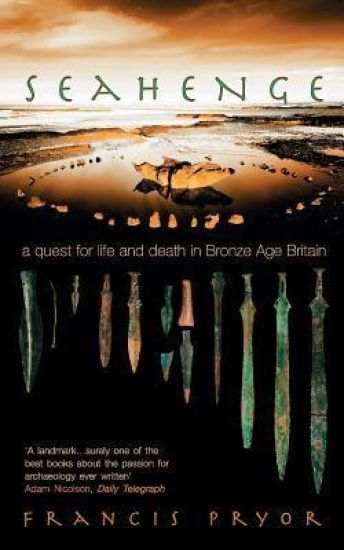
Seahenge

Seahenge

Francis Pryor

HarperPerennial
2002
nidottu
An investigation into the lives of our prehistoric ancestors, focusing on the revolution in Bronze Age archaeology which has been taking place since the 1980s, and in which the author has played a central role.
Stonehenge

Stonehenge

Francis Pryor

BLOOMSBURY PUBLISHING PLC
2025
nidottu
A beautifully illustrated account of the history and archaeology of an iconic feature of the English landscape, as part of the stunning Landmark Library series. Perched on the chalk uplands of Salisbury Plain, the megaliths of Stonehenge offer one of the most recognizable outlines of any ancient structure. Its purpose – place of worship, sacrificial arena, giant calendar – is unknown, but its story is one of the most extraordinary of any of the world's prehistoric monuments. Constructed in several phases over a period of some 1500 years, beginning c. 3000 BC, Stonehenge's key elements are its 'bluestones', transported from West Wales by unexplained means, and sarsen stones quarried from the nearby Marlborough Downs. Francis Pryor is one of Britain's most distinguished archaeologists. In Stonehenge, he delivers a rigorous account of the nature and history of the monument, while also placing the enigmatic stones in a wider cultural context, exploring how antiquarians, scholars, writers, artists, 'the heritage industry' – and even neopagans – have interpreted the site over the centuries.
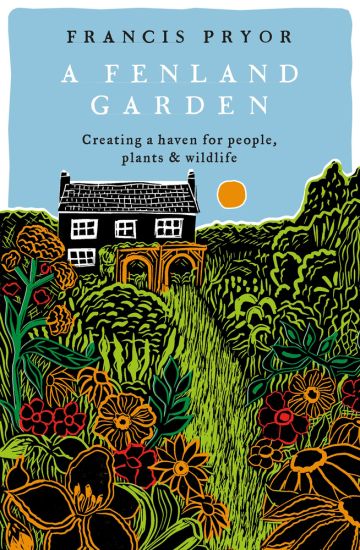
A Fenland Garden

A Fenland Garden

Francis Pryor

BLOOMSBURY PUBLISHING PLC
2024
nidottu
The story of how Francis Pryor created a haven for people, plants and wildlife in a remote corner of the fens.In 1992, the archaeologists Francis and Maisie Pryor acquired a large field in a remote corner of the Lincolnshire fens. The soil was exhausted by half a century of intensive cultivation; yet within a few years, Francis and Maisie would build a home here, and transform an arable desert into a haven for plants, people and wildlife. Taking their inspiration from different elements of the English gardening tradition, they set about creating a garden that was ambitious in scope but human in scale.A Fenland Garden is shot through with the empirical wisdom of a writer with a special relationship with landscape and the soil. Francis’s account of the garden at Inley Drove is counterpointed by nuggets of fenland lore, by walks in the woods with the dogs Pen and Baldwin, and by vignettes of the plantsman’s trials and tribulations. Above all, this is the story of bringing something beautiful into being, of embedding a garden in its local landscape, and reclaiming for nature a small patch of English ground.
A Fenland Garden

A Fenland Garden

Francis Pryor

BLOOMSBURY PUBLISHING PLC
2023
sidottu
The story of how Francis Pryor created a haven for people, plants and wildlife in a remote corner of the fens. A Fenland Garden is the story of the creation of a garden in a complex and fragile English landscape – the Fens of southern Lincolnshire – by a writer who has a very particular relationship with landscape and the soil, thanks to his distinguished career as an archaeologist and discoverer of some of England's earliest field systems. It describes the imagining, planning and building of a garden in an unfamiliar and sometimes hostile place, and the challenges, setbacks and joys these processes entail. This is a narrative of the making of a garden, but it is also about reclaiming a patch of ground for nature and wildlife – of repairing the damage done to a small slice of Fenland landscape by decades of intensive farming. A Fenland Garden is informed by the empirical wisdom of a practising gardener (and archaeologist) and by his deep understanding of the soil, landscape and weather of the region; Francis's account of the development of the garden is counterpointed by fascinating nuggets of Fenland lore and history, as well as by vignettes of the plantsman's trials and tribulations as he works an exceptionally demanding plot of land. Above all, this is the story of bringing something beautiful into being; of embedding a garden in the local landscape; and thereby of deepening and broadening the idea of home.
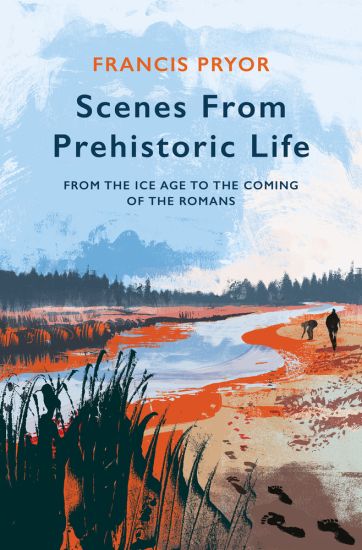
Scenes from Prehistoric Life

Scenes from Prehistoric Life

Francis Pryor

BLOOMSBURY PUBLISHING PLC
2022
nidottu
An invigorating journey through Britain's prehistoric landscape, and an insight into the lives of its inhabitants. 'Highly compelling' Spectator, Books of the Year 'An evocative foray into the prehistoric past' BBC Countryfile Magazine 'Vividly relating what life was like in pre-Roman Britain' Choice Magazine 'Makes life in Britain BC often sound rather more appealing than the frenetic and anxious 21st century!' Daily MailIn Scenes from Prehistoric Life, the distinguished archaeologist Francis Pryor paints a vivid picture of British and Irish prehistory, from the Old Stone Age (about one million years ago) to the arrival of the Romans in AD 43, in a sequence of fifteen profiles of ancient landscapes. Whether writing about the early human family who trod the estuarine muds of Happisburgh in Norfolk c.900,000 BC, the craftsmen who built a wooden trackway in the Somerset Levels early in the fourth millennium BC, or the Iron Age denizens of Britain's first towns, Pryor uses excavations and surveys to uncover the daily routines of our ancient ancestors. By revealing how our prehistoric forebears coped with both simple practical problems and more existential challenges, Francis Pryor offers remarkable insights into the long and unrecorded centuries of our early history, and a convincing, well-attested and movingly human portrait of prehistoric life as it was really lived.
Stonehenge

Stonehenge

Francis Pryor

Apollo
2021
nidottu
A beautifully illustrated account of the history and archaeology of an iconic feature of the English landscape, as part of the stunning Landmark Library series. Perched on the chalk uplands of Salisbury Plain, the megaliths of Stonehenge offer one of the most recognizable outlines of any ancient structure. Its purpose – place of worship, sacrificial arena, giant calendar – is unknown, but its story is one of the most extraordinary of any of the world's prehistoric monuments. Constructed in several phases over a period of some 1500 years, beginning c. 3000 BC, Stonehenge's key elements are its 'bluestones', transported from West Wales by unexplained means, and sarsen stones quarried from the nearby Marlborough Downs. Francis Pryor is one of Britain's most distinguished archaeologists. In Stonehenge, he delivers a rigorous account of the nature and history of the monument, while also placing the enigmatic stones in a wider cultural context, exploring how antiquarians, scholars, writers, artists, 'the heritage industry' – and even neopagans – have interpreted the site over the centuries.
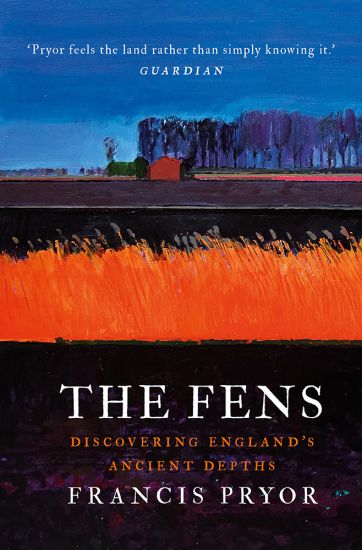
The Fens

The Fens

Francis Pryor

Apollo
2020
nidottu
A BBC Radio 4 Book of the Week. 'Francis Pryor brings the magic of the Fens to life in a deeply personal and utterly enthralling way' TONY ROBINSON. 'Pryor feels the land rather than simply knowing it' GUARDIAN. Inland from the Wash, on England's eastern cost, crisscrossed by substantial rivers and punctuated by soaring church spires, are the low-lying, marshy and mysterious Fens. Formed by marine and freshwater flooding, and historically wealthy owing to the fertility of their soils, the Fens of Lincolnshire and Cambridgeshire are one of the most distinctive, neglected and extraordinary regions of England. Francis Pryor has the most intimate of connections with this landscape. For some forty years he has dug its soils as a working archaeologist – making ground-breaking discoveries about the nature of prehistoric settlement in the area – and raising sheep in the flower-growing country between Spalding and Wisbech. In The Fens, he counterpoints the history of the Fenland landscape and its transformation – from Bronze age field systems to Iron Age hillforts; from the rise of prosperous towns such as King's Lynn, Ely and Cambridge to the ambitious drainage projects that created the Old and New Bedford Rivers – with the story of his own discovery of it as an archaeologist. Affectionate, richly informative and deftly executed, The Fens weaves together strands of archaeology, history and personal experience into a satisfying narrative portrait of a complex and threatened landscape.
Paths to the Past

Paths to the Past

Francis Pryor

Penguin Books Ltd
2019
pokkari
Discover the hidden corners and forgotten crevices of Britain's landscapes, from lost rural treasures to unseen urban gems.Landscapes reflect and shape our behaviour. They make us who we are and bear witness to the shifting patterns of human life over the generations. Bringing to bear a lifetime's digging, archaeologist Francis Pryor delves into Britain's hidden urban and rural landscapes, from Whitby Abbey to the navvy camp at Risehill in Cumbria, from Tintagel to Tottenham's Broadwater Farm. Through fields, woods, moors, roads, tracks and towns, he reveals the stories of our physical surroundings and what they meant to the people who formed them, used them and lived in them. These landscapes, he stresses, are our common physical inheritance. If we can understand how to make them yield up their secrets, it will help us, their guardians, to maintain and shape them for future generations.
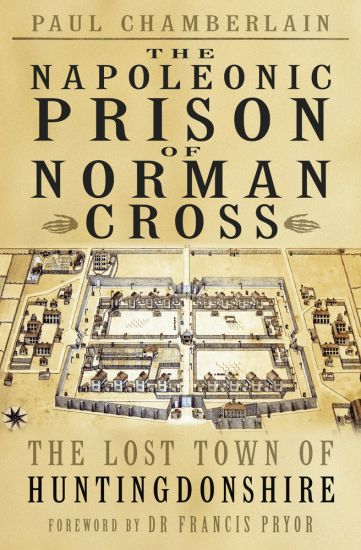
The Napoleonic Prison of Norman Cross

The Napoleonic Prison of Norman Cross

Paul Chamberlain; Francis Pryor

The History Press Ltd
2019
nidottu
Norman Cross was the site of the world’s first purpose-built prisoner-of- war camp constructed during the Napoleonic Wars. Opened in 1797, it was more than just a prison: it was a town in itself, with houses, offices, butchers, bakers, a hospital, a school, a market and a banking system. It was an important prison and military establishment in the east of England with a lively community of some 7,000 French inmates. Alongside a comprehensive examination of the prison itself, this detailed and informative book, compiled by a leading expert on the Napoleonic era, explores what life was like for inmates and turnkeys alike – the clothing, food, health, education, punishment and, ultimately, the closure of the depot in 1814.
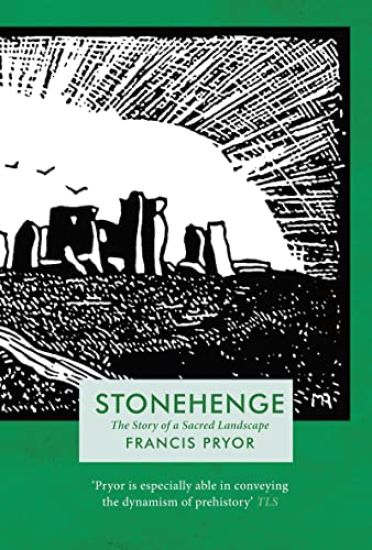
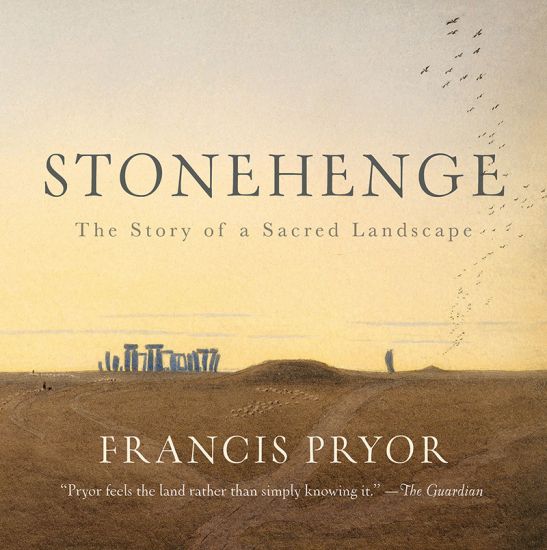
Stonehenge: The Story of a Sacred Landscape
An illustrated, evocative narrative of the nature and history of Stonehenge that places the enigmatic stone megaliths in a wider cultural context. Perched on the chalk uplands of Salisbury Plain, the megaliths of Stonehenge offer one of the most recognizable outlines of any ancient structure. Its purpose--place of worship, sacrificial arena, giant calendar--is unknown, but its story is one of the most extraordinary of any of the world's prehistoric monuments. Constructed in several phases over a period of some 1500 years, beginning in 3000 BC, Stonehenge's key elements are its "bluestones," transported from West Wales by unexplained means, and its sarsen stones quarried from the nearby Marlborough Downs. Francis Pryor delivers a rigorous account of the nature and history of Stonehenge, but also places the enigmatic monument in a wider cultural context, bringing acute insight into how antiquarians, scholars, writers, artists-and even neopagans--have interpreted the mystery over the centuries.
The Way, the Truth and the Dead

The Way, the Truth and the Dead

Francis Pryor

Unbound
2017
sidottu
Archaeologist and detective, Alan Cadbury, returns for his second adventure. In The Lifers' Club, he unravelled the background to a violent death on an archaeological dig in the Fens, a wild marshy region in the east of England. The Way, the Truth and the Dead takes us to the black peatlands of the south, around the glorious cathedral city of Ely. It's a watery landscape where the many ancient dykes, drains and rivers conceal dark secrets.Alan finds himself the Director of an important Roman and early Medieval excavation at the little hamlet of Fursby, not far from Littleport. But shortly before he starts work, he is contacted by his old friend, Detective Chief Inspector Richard Lane. Lane needs help - a body has been found in a river near the dig. And the dead person is an archaeologist, an old friend of Alan's.It soon becomes clear that this will be no ordinary excavation: the remains are of national importance and their preservation is outstanding. So it comes as no surprise when a major television series decides to adopt it as a flagship project, opening the dig up to the public at a time when the rural community would rather keep things quiet...
The Lifers' Club

The Lifers' Club

Francis Pryor

Unbound
2014
pokkari
Alan Cadbury is a professional archaeologist: a digger of ancient sites and a man who likes to unravel the mysteries and meaning of the past. For many years, Alan has worked with the 'Circuit Diggers', so called because they work the 'circuit', moving from one excavation to another, as new sites open across Britain. Most of the sites they dig are ahead of industrial development, new housing estates, gravel quarries, or roads. They are a down-to-earth bunch; but they all know what they want from life. Feared by respectable citizens, they are always covered in mud, deeply suntanned and drunk (or stoned) on their days off.Like others on the circuit, Alan Cadbury is obsessive: he won't let problems lie, even when he's slumped drunk in a lonely bedsit, somewhere in the Fens. But there's another side to him, too: in the late 90s he helped to give a forensic archaeology course and there met Richard Lane, now a senior detective in the Leicestershire force. DCI Lane helps him tackle new cases. But this is his first big one: an 'honour killing', perpetrated eight years ago in Leicester. It's a dark tale of past wrongdoing and modern criminality. And it's not without violence. Alan's life may be harsh and at times unpleasant, but it's not likely to be very long, either. Oh yes, archaeology can be a very dirty business…
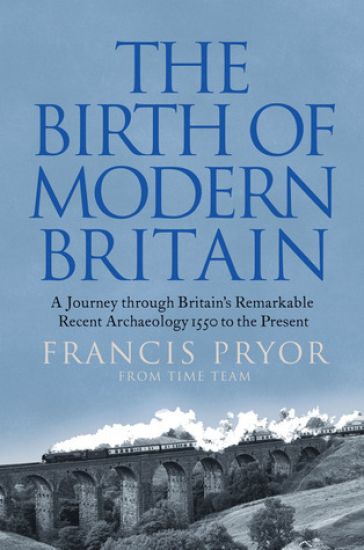
The Birth of Modern Britain

The Birth of Modern Britain

Francis Pryor

HarperPress
2012
nidottu
From the author of ‘Britain BC’, ‘Britain AD’ and ‘Britain in the Middle Ages’ comes the fourth and final part in a critically acclaimed series on Britain's hidden past The relevance of archaeology to the study of the ancient world is indisputable. But, when exploring our recent past, does it have any role to play? In ‘The Birth of Modern Britain’ Francis Pryor highlights archaeology’s continued importance to the world around us. The pioneers of the Industrial Revolution were too busy innovating to record what was happening around them but fortunately the buildings and machines they left behind bring the period to life. During the Second World War, the imminent threat of invasion meant that constructing strong defences was much more important than keeping precise records. As a result, when towns were flattened, archaeology provided the only real means of discovering what had been destroyed. Surveying the whole post-medieval period, from 1550 until the present day, Francis Pryor takes us on an exhilarating journey, bringing to a gripping conclusion his illuminating study of Britain’s hidden past.
The Making of the British Landscape

The Making of the British Landscape

Francis Pryor

Penguin Books Ltd
2011
pokkari
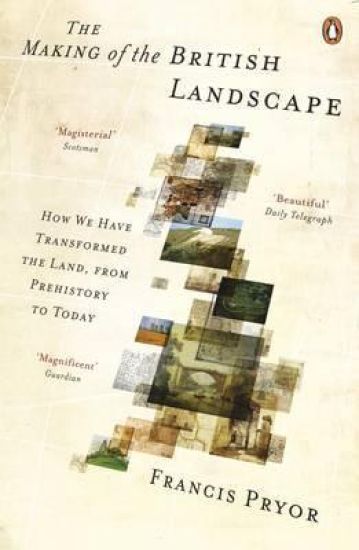
From our suburban streets which still trace the boundaries of long vanished farms to the Norfolk Broads, formed when medieval peat pits flooded - evidence of man's effect on Britain is everywhere. Packed with over 250 maps and photographs, compellingly written and argued, this highly acclaimed book will permanently change the way you see your surroundings.
Flag Fen

Flag Fen

Francis Pryor

The History Press Ltd
2011
nidottu
The Fens of eastern England form a very distinct environment which has produced particular patterns of prehistoric occupation. Dr Francis Pryor, the Director of the Flag Fen Archaeological Trust, gives his own personal account of his discovery and excavation of this now-famous Bronze Age site near Peterborough. In addition to the Bronze Age ditched field systems, the massive timber platform and the avenue of posts with votive deposits, Dr Pryor describes the Neolithic pit grave on the site and the later Iron Age village. This is an updated, expanded and re-illustrated edition of a book first published over 10 years ago.
Farmers in Prehistoric Britain

Farmers in Prehistoric Britain

Francis Pryor

The History Press Ltd
2011
nidottu
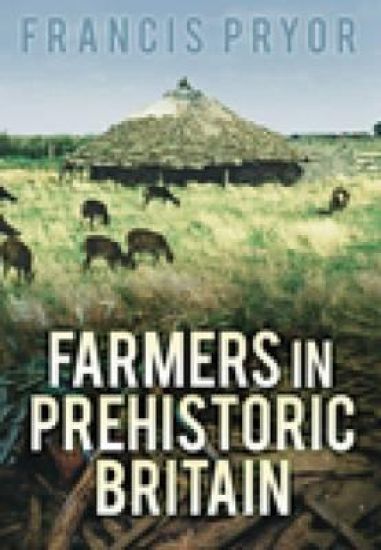
Francis Pryor – regular contributor on Channel 4’s Time Team and the man behind the Britain BC and Britain AD television series – maintains that early farming in Britain has been largely misunderstood, due to a loss of contact with the countryside and failure to understand prehistoric farming methods. To redress this problem, this book reconstructs the lives of prehistoric farmers, with the author drawing on his academic research and practical experience, as a professional farmer, to provide details on crop cultivation and flock management. Pryor also shows how, in the millennium leading up to about 700 BC, certain areas of lowland England developed an intensive style of livestock rearing. The success of these prehistoric ‘agri-businesses’ made many communities extremely prosperous – so prosperous that they were able to bequeath fabulously valuable objects of bronze, iron or even gold to the world of their ancestors. This they did by carefully placing their wealth within rivers, lakes and meres.
Britain in the Middle Ages

Britain in the Middle Ages

Francis Pryor

HarperPerennial
2007
nidottu
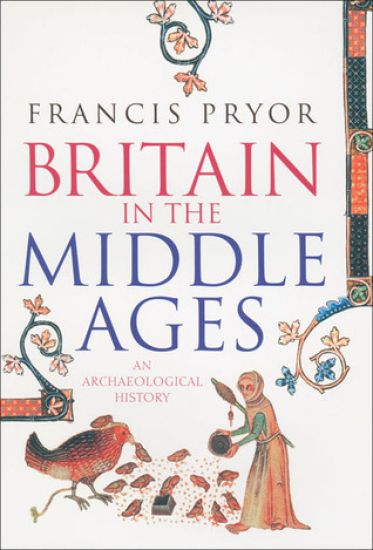
As in ‘Britain B.C.’ and ‘Britain A.D.’ (also accompanied by Channel 4 series), eminent archaeologist Francis Pryor challenges familiar historical views of the Middle Ages by examining fresh evidence from the ground. The term 'Middle Ages' suggests a time between two other ages: a period when nothing much happened. In his radical reassessment, Francis Pryor shows that this is very far from the truth, and that the Middle Ages (approximately 800-1550) were actually the time when the modern world was born. This was when Britain moved from Late Antiquity into a world we can recognize as more or less familiar: roads and parishes became fixed; familiar institutions, such as the church and local government, came into being; industry became truly industrial; and international trade was now a routine process. Archaeology shows that the Middle Ages were far from static. Based on everyday, often humdrum evidence, it demonstrates that the later agricultural and industrial revolutions were not that unexpected, given what we now know of the later medieval period. Similarly, the explosion of British maritime power in the late 1700s had roots in the 15th century. The book stresses continuous development at the expense of ‘revolution', though the Black Death (1348), which killed a third of the population, did have a profound effect in loosening the grip of the feudal system. Labour became scarce and workers gained power; land became more available and the move to modern farming began. The Middle Ages can now be seen in a fresh light as an era of great inventiveness, as the author examines such topics as 'upward mobility'; the power of the Church; the role of the Guilds as precursors of trade unions; the transport infrastructure of roads, bridges and shipbuilders; and the increase in iron production.
Britain AD

Britain AD

Francis Pryor

HarperPerennial
2005
nidottu
Leading archaeologist Francis Pryor retells the story of King Arthur, legendary king of the Britons, tracing it back to its Bronze Age origins. The legend of King Arthur and Camelot is one of the most enduring in Britain's history, spanning centuries and surviving invasions by Angles, Vikings and Normans. In his latest book Francis Pryor – one of Britain’s most celebrated archaeologists and author of the acclaimed ‘Britain B.C.’ and ‘Seahenge’ – traces the story of Arthur back to its ancient origins. Putting forth the compelling idea that most of the key elements of the Arthurian legends are deeply rooted in Bronze and Iron Ages (the sword Excalibur, the Lady of the Lake, the Sword in the Stone and so on), Pryor argues that the legends' survival mirrors a flourishing, indigenous culture that endured through the Roman occupation of Britain, and the subsequent invasions of the so-called Dark Ages. As in ‘Britain B.C.’, Pryor roots his story in the very landscape, from Arthur’s Seat in Edinburgh, to South Cadbury Castle in Somerset and Tintagel in Cornwall. He traces the story back to the 5th-century King Arthur and beyond, all the time testing his ideas with archaeological evidence, and showing how the story was manipulated through the ages for various historical and literary purposes, by Geoffrey of Monmouth and Malory, among others. Delving into history, literary sources – ancient, medieval and romantic – and archaeological research, Francis Pryor creates an original, lively and illuminating account of this most British of legends.
Britain BC

Britain BC

Francis Pryor

HarperPerennial
2004
nidottu
An authoritative and radical rethinking of the history of Ancient Britain and Ancient Ireland, based on remarkable new archaeological finds. British history is traditionally regarded as having started with the Roman Conquest. But this is to ignore half a million years of prehistory that still exert a profound influence. Here Francis Pryor examines the great ceremonial landscapes of Ancient Britain and Ireland – Stonehenge, Seahenge, Avebury and the Bend of the Boyne – as well as the discarded artefacts of day-to-day life, to create an astonishing portrait of our ancestors. This major re-revaluation of pre-Roman Britain, made possible in part by aerial photography and coastal erosion, reveals a much more sophisticated life in Ancient Britain and Ireland than has previously been supposed.
Farmers in Prehistoric Britain

Farmers in Prehistoric Britain

Francis Pryor

The History Press Ltd
1999
nidottu
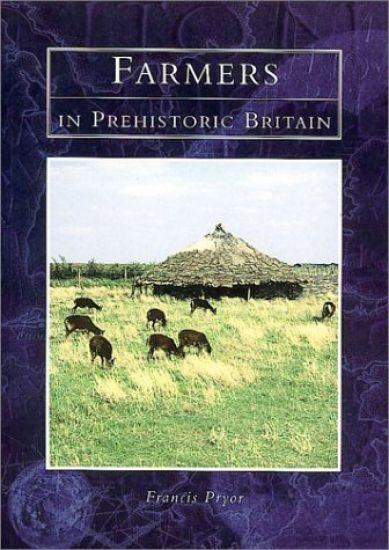
Francis Pryor – regular contributor on Channel 4’s Time Team and the man behind the Britain BC and Britain AD television series – maintains that early farming in Britain has been largely misunderstood, due to a loss of contact with the countryside and failure to understand prehistoric farming methods. To redress this problem, this book reconstructs the lives of prehistoric farmers, with the author drawing on his academic research and practical experience, as a professional farmer, to provide details on crop cultivation and flock management. Pryor also shows how, in the millennium leading up to about 700 BC, certain areas of lowland England developed an intensive style of livestock rearing. The success of these prehistoric ‘agri-businesses’ made many communities extremely prosperous – so prosperous that they were able to bequeath fabulously valuable objects of bronze, iron or even gold to the world of their ancestors. This they did by carefully placing their wealth within rivers, lakes and meres.