Kirjojen hintavertailu. Mukana 12 476 551 kirjaa ja 12 kauppaa.

Kirjailija

Francisco O. Ramirez

Kirjat ja teokset yhdessä paikassa: 2 kirjaa, julkaisuja vuodelta 2002, suosituimpien joukossa Science in the Modern World Polity. Vertaile teosten hintoja ja tarkista saatavuus suomalaisista kirjakaupoista.

2 kirjaa

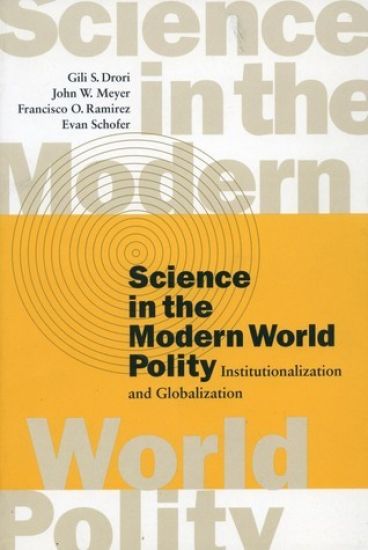
Science in the Modern World Polity

Science in the Modern World Polity

Gili S. Drori; John W. Meyer; Francisco O. Ramirez; Evan Schofer

Stanford University Press
2002
pokkari
This book presents empirical studies of the rise, expansion, and influence of scientific discourse and organization throughout the world, over the past century. Using quantitative cross-national data, it shows the impact of this scientized world polity on national societies. It examines how this world scientific system and national reflections of it have influenced a wide variety of institutional spheres—the economy, political systems, human rights, environmentalism, and organizational reforms. The authors argue that the triumph of science across social domains and around the world is due to its institutionalized cultural authority rather than to its instrumental utility for societies or for their dominant elites. Thus, following the Stanford approach to institutional theory in sociology, the book emphasizes the symbolic or religious role science plays in the modern world.
Science in the Modern World Polity

Science in the Modern World Polity

Gili S. Drori; John W. Meyer; Francisco O. Ramirez; Evan Schofer

Stanford University Press
2002
sidottu
This book presents empirical studies of the rise, expansion, and influence of scientific discourse and organization throughout the world, over the past century. Using quantitative cross-national data, it shows the impact of this scientized world polity on national societies. It examines how this world scientific system and national reflections of it have influenced a wide variety of institutional spheres—the economy, political systems, human rights, environmentalism, and organizational reforms. The authors argue that the triumph of science across social domains and around the world is due to its institutionalized cultural authority rather than to its instrumental utility for societies or for their dominant elites. Thus, following the Stanford approach to institutional theory in sociology, the book emphasizes the symbolic or religious role science plays in the modern world.