Kirjojen hintavertailu. Mukana 12 390 323 kirjaa ja 12 kauppaa.
Kirjailija
Françoise Vergès
Kirjat ja teokset yhdessä paikassa: 21 kirjaa, julkaisuja vuosilta 1999-2026, suosituimpien joukossa A Programme of Absolute Disorder. Vertaile teosten hintoja ja tarkista saatavuus suomalaisista kirjakaupoista.
Mukana myös kirjoitusasut: Francoise Verges, Francoise Vergés, Françoise Verges
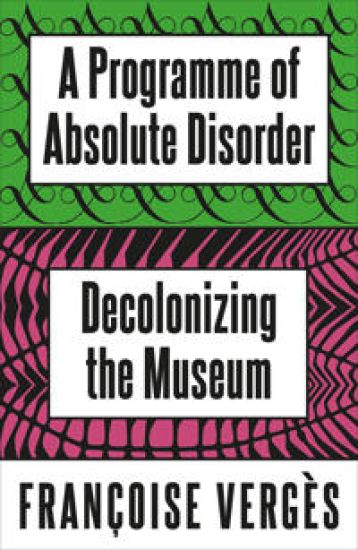
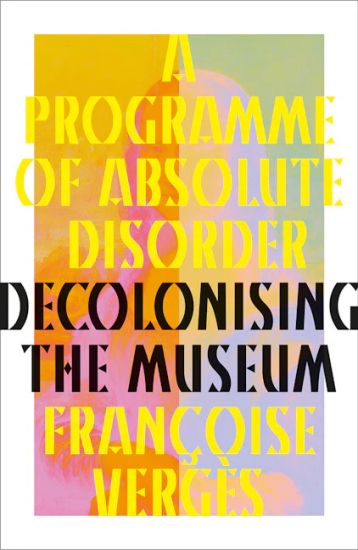
'A complete overhaul of the Western museum tradition' - Publishers Weekly In A Programme of Absolute Disorder, Françoise Vergès strips away the veneer of the universal Western museum to reveal its origins as the foundation of liberal ideology. By exploring the history of the Louvre, and following the radical tradition of Frantz Fanon, she argues that the modern institution cannot just be fixed with a more diverse board or by finding new ways to display the art. Instead, she demands a 'post-museum': a space that rejects the financialization of art, acknowledges the bloody history of its collections, and prioritises the labour and dignity of those who clean, guard and inhabit its halls.
In the years since #MeToo, misogyny, sexism and gender based violence have flooded the news and our social media timelines. Anti-privilege politics and intersectionality have entered the mainstream—systematically trolled on one end of the spectrum; embraced, to questionable ends, on the other. But what has this increased visibility entailed, other than the marketisation of the feminist struggle? Feminism for the World argues that we have been witnessing an erasure of feminism as a long-term tradition, with its many conflicting histories and geographies of struggle elided and forgotten. In this ground-breaking collection, eight leading international figures of contemporary feminism highlight feminist struggles and traditions from the Global South, presenting feminism as a project that is impossible without international solidarity from the West. In doing so they revive an authentic internationalism and propose paths for present and future generations.
An antiracist theory of cleaning. Every year, capitalism produces tons of goods that go right to waste. Mining, deforestation, social inequalities, racism, extractivism, and hyper-consumption add to this fantastic amount of waste. How is their disappearance and invisibility organized? Who cleans the world? Upon whose bodies rests bourgeois and white cleanliness? Making the World Clean looks at the masses who daily clean the world to make it livable and comfortable for a few. That comfort rests on the exhaustion of non-white bodies and their exposition to dangerous chemical and premature death. Who cleans the world is thus a political question, with an anti-patriarchal, antiracist, and anti-capitalist frame. To explore this, Francoise Verges looks at the notion of cleanliness of white bodies and the cleanliness of cities in which they live and of the planet they wish to inhabit, stressing the naturalization and invisibilization of cheap labor. Racial capitalism produces waste, waste is the measure of its potency, and greening waste hides the fact that colonizing the planet and thus transforming life into waste is essential. Against this politics of wasted lives and wasted lands, Verges opposes the politics of antiracist and anti-capitalist cleaning, looking at works and actions of activists throughout the world.
'A complete overhaul of the Western museum tradition' - Publishers Weekly The Western museum is a battleground - a terrain of ideological, political and economic contestation. Almost everyone today wants to rethink the museum, but how many have the audacity to question the idea of the universal museum itself? In A Programme of Absolute Disorder, Françoise Vergès puts the museum in its place. Exploring the Louvre’s history, she uncovers the context in which the universal museum emerged: as a product of colonialism, and of Europe’s self-appointed claim to be the guardian of global heritage. Vergès outlines a radical horizon: to truly decolonize the museum is to implement a 'programme of absolute disorder', inventing other ways of apprehending the human and non-human world that nourish collective creativity and bring justice and dignity to the dispossessed.
Kuinka feminismistä oikein on tullut hajuton ja mauton osa uusliberaalia yhteiskuntaa ja markkinataloutta? Kuinka rasistinen ja islamofobinen äärioikeisto on onnistunut kaappaamaan naisten oikeudet lyömäaseekseen? Kuinka ottaa feminismi takaisin ja herättää sen kumouksellinen voima jälleen eloon?Tutkija ja aktivisti Françoise Vergès paaluttaa pamfletissaan dekoloniaalisen feminismin suuntaviivat ammentaen rasismin, seksismin ja kolonialismin vastaisten kamppailujen historiasta. Teos näyttää, mikä kaikki valkoisessa ja keskiluokkaisessa feminismissä menee pieleen ja kuinka sen historia kietoutuu kolonialistiseen menneisyyteen. Samalla käy selväksi, kuinka tuon menneisyyden unohtaminen mahdollistaa feminismin käyttämisen myös koloniaalisen nykyisyytemme uusintamiseen.Dekoloniaalinen feminismi on ohittamatonta lukemista kaikille, jotka etsivät tapoja kamppailla sukupuolittuneeseen ja rodulliseen eriarvoisuuteen nojaavaa maailmanjärjestystä vastaan. Se kutsuu etsimään feminismin radikaalia muutosvoimaa utooppisesta kuvittelukyvystä ja todellisesta solidaarisuudesta.
De fleste af Europas kontorer og togstationer holdes rene af kvindelige og racegjorte rengøringsmedarbejdere – så hvorfor er feminismen, som ellers er blevet så populær, ikke for dem? I dette skarpe essay optrevler forfatteren den vestlige feminismes historie og undersøger, hvordan racegjorte og koloniserede kvinder historisk er blevet brugt og misbrugt til at fremme feminismens sag.I efterordet af Farhiya Khalid kontekstualiseres argumentet i den danske offentlighed, hvor spiralsagen og ghettopakken kun er det mest aktuelle eksempler. Kapitalismens løfte om diversitet og inklusion kritiseres også, for »frigørelse er ikke et slogan, der kan stå på en t-shirt eller en to go-kop. […] Vi har i den grad brug for denne bog, særligt i Danmark, der stadig formår at adskille sig mentalt fra sin egen kolonihistorie«.
War-torn Ecologies, An-archic Fragments identifies a conceptual intersection between war, affect, and ecology from the Middle East. It creates a counter archive of texts by ethnographers and artists, and enables divergent worlds to share a conversation through the crevices of mass violence across species. Delving into vital encounters with mulberry trees, wild medicinal plants, jinns, and goats, as well as bleaker experiences with toxic war materials like landmines, this volume expands an ecological sensorium that works through displacement, memory, endurance, and praxis.
Boris Groys; Madame Nielsen; Ida Marie Hede; Center for Militant Futurologi; Françoise Vergès; Mela Dávila Freire; Tobias Rahim; Petra Kleis; Ferdinand Ahm Krag; Helene Nymann; Studio ThinkingHand; Christian Lollike; Anders Thrue Djurslev
Museum for fremtiden er en umulig titel. Den fremlægger et paradoks, en selvmodsigelse. Et museum har sædvanligvis med fortiden at gøre. På et museum udlægges historien om fortiden. Museet har som regel kun med fremtiden at gøre i det omfang, at det anviser den som en logisk konsekvens af og brud med fortidens kultur, teknologi, design, videnskab og kunst. Museet skaber med andre ord en særlig fornemmelse af historisk tid som en samlet, kausal bevægelse. At udstille en genstand på et museum betyder i den forstand at præsentere den som et stykke overstået fortid, som død kultur. Hvad vil det så betyde at udstille fremtiden på museum? Museum for fremtiden er resultatet af et møde mellem scene- og billedkunst, mellem et teater og en samtidskunstinstitution. Kunsthal Aarhus og Sort/Hvid er gået sammen om at skabe et værk mellem kunstudstilling og teaterforestilling. Formålet er ikke at grundlægge et fremtidsmuseum eller at arkivere en samling genstande af historisk betydning for fremtiden. Det er snarere at konfrontere kunstarterne, kunstinstitutionerne, os selv og publikum med spørgsmålet om, hvad der betinger vores politiske forestillingsevne i dag – og hvad der skal til for at overkomme, udfordre eller komplicere samtidens vilkår. Bogen her fungerer som katalog for Museum for fremtiden, sådan som værket er udviklet på Sort/Hvid og i Kunsthal Aarhus. Her udfoldes og diskuteres de tidsundersøgelser, som de bidragende kunstnere bringer med sig ind i projektet. I den forbindelse fortæller Ferdinand Ahm Krag, Helene Nymann, Mikkel Dahlin Bojesen og Rhoda Ting fra Studio ThinkingHand, samt instruktør og dramatiker Christian Lollike fra Sort/Hvid, om, hvilken rolle tid spiller i deres kunst; om deres forskelligartede praksisser, om deres bidrag til Museum for fremtiden og om kompositionen af det samlede, sammenfiltrede værk. Fra hver deres position udfordrer kunstnerne de både kulturelle, psykologiske og biologiske mekanismer, som vi bruger til at forstå samtiden og forestille os fremtiden med. Hertil præsenteres skitser og eksempler, inspirationsmateriale, modeltegninger og endelig manuskriptet til forestillingen, i dets ufærdige form her en måned før premieren. For det andet har vi i udgivelsen inviteret andre til at tænke og digte med og imod og videre fra titlens umulige sammensætning af “museum” og “fremtid.” Originale tekster af Madame Nielsen, Ida Marie Hede og Center for Militant Futurologi, samt en kopi af en såkaldt NFT (et unikt kodet digitalt værk gennem blockchain-teknologi) af popsangeren Tobias Rahim, konfronterer sammen med tre oversatte teoretiske tekster, af kunstteoretiker Boris Groys, den postkoloniale tænker Françoise Vergès og kurator Mela Dávila Freire, det tidslige paradoks, der er indlejret i udstillingen af kunst. Det er igen ikke udvalgets formål at formulere en samlende eller udtømmende vision for, hvad et museum for fremtiden er, kan eller bør være. Snarere er det ønsket at udstikke nogle af de forskellige potentialer, positioner, faldgruber, eksempler, kritikker og mulige betydningsdannelser, som konstellationen giver anledning til. Udgivelsen bevæger sig derfor frem og tilbage mellem formater og genrer. Bidragene tæller skitser, fiktioner, manifestationer, kunstnersamtaler, museologiske analyser og filosofiske ekskurser. Med dens eklektiske sammensætning, forsøger vi med bogen at give form til det, vi kan kalde en samtidighed af forskellige tidsligheder og modsatrettede tidsopfattelser, som opstår i krydset mellem at udstille samtiden og forestille sig fremtider, og som måske betinger den tid, om og i hvilken vi laver samtidskunst. @font-face {font-family:"Cambria Math"; panose-1:2 4 5 3 5 4 6 3 2 4; mso-font-charset:0; mso-generic-font-family:roman; mso-font-pitch:variable; mso-font-signature:-536870145 1107305727 0 0 415 0;}@font-face {font-family:Calibri; panose-1:2 15 5 2 2 2 4 3 2 4; mso-font-charset:0; mso-generic-font-family:swiss; mso-font-pitch:variable; mso-font-signature:-536859905 -1073732485 9 0 511 0;}@font-face {font-family:Cambria; panose-1:2 4 5 3 5 4 6 3 2 4; mso-font-charset:0; mso-generic-font-family:roman; mso-font-pitch:variable; mso-font-signature:-536869121 1107305727 33554432 0 415 0;}@font-face {font-family:"Krabbesholm Serif"; panose-1:0 0 0 0 0 0 0 0 0 0; mso-font-charset:77; mso-generic-font-family:auto; mso-font-format:other; mso-font-pitch:variable; mso-font-signature:-2147483609 1073750090 0 0 147 0;}p.MsoNormal, li.MsoNormal, div.MsoNormal {mso-style-unhide:no; mso-style-qformat:yes; mso-style-parent:""; margin:0cm; mso-pagination:widow-orphan; font-size:12.0pt; font-family:"Calibri",sans-serif; mso-ascii-font-family:Calibri; mso-ascii-theme-font:minor-latin; mso-fareast-font-family:Calibri; mso-fareast-theme-font:minor-latin; mso-hansi-font-family:Calibri; mso-hansi-theme-font:minor-latin; mso-bidi-font-family:"Times New Roman"; mso-bidi-theme-font:minor-bidi; mso-fareast-language:EN-US;}.MsoChpDefault {mso-style-type:export-only; mso-default-props:yes; font-family:"Calibri",sans-serif; mso-ascii-font-family:Calibri; mso-ascii-theme-font:minor-latin; mso-fareast-font-family:Calibri; mso-fareast-theme-font:minor-latin; mso-hansi-font-family:Calibri; mso-hansi-theme-font:minor-latin; mso-bidi-font-family:"Times New Roman"; mso-bidi-theme-font:minor-bidi; mso-fareast-language:EN-US;}div.WordSection1 {page:WordSection1;}
'A robust, decolonial challenge to carceral feminism' - Angela Y. Davis ***Winner of an English PEN Award 2022*** The mainstream conversation surrounding gender equality is a repertoire of violence: harassment, rape, abuse, femicide. These words suggest a cruel reality. But they also hide another reality: that of gendered violence committed with the complicity of the State. In this book, Françoise Vergès denounces the carceral turn in the fight against sexism. By focusing on 'violent men', we fail to question the sources of their violence. There is no doubt as to the underlying causes: racial capitalism, ultra-conservative populism, the crushing of the Global South by wars and imperialist looting, the exile of millions and the proliferation of prisons – these all put masculinity in the service of a policy of death. Against the spirit of the times, Françoise Vergès refuses the punitive obsession of the State in favour of restorative justice.
'A robust, decolonial challenge to carceral feminism' - Angela Y. Davis ***Winner of an English PEN Award 2022*** The mainstream conversation surrounding gender equality is a repertoire of violence: harassment, rape, abuse, femicide. These words suggest a cruel reality. But they also hide another reality: that of gendered violence committed with the complicity of the State. In this book, Françoise Vergès denounces the carceral turn in the fight against sexism. By focusing on 'violent men', we fail to question the sources of their violence. There is no doubt as to the underlying causes: racial capitalism, ultra-conservative populism, the crushing of the Global South by wars and imperialist looting, the exile of millions and the proliferation of prisons – these all put masculinity in the service of a policy of death. Against the spirit of the times, Françoise Vergès refuses the punitive obsession of the State in favour of restorative justice.
Det kapitalocæne, affald, race & køn behandler forholdet mellem forurening, omsorg og racialiserede kroppe i et neoliberalistisk samfund. Essayet italesætter en global ulighed i det, der kan betegnes som omsorgsarbejde: hvordan Vestens renheds- og sundhedsidealer - og i øvrigt hvide, veluddannede kvinders økonomiske emancipation - i høj grad muliggøres og vedligeholdes af især farvede kvinders ubetalte eller underbetalte omsorgsarbejde (børnepasning, rengøring etc). Vergés knytter dette fundament af omsorgsarbejdets racialiserede ulighed sammen med ideen omkring renhed i bæredygtighedsdiskurser. Den Vestlige verdens relative ‘renhed’, siger hun, er et direkte produkt af en udlicitering af affald og forurenende produktioner til det Globale Syd. Med andre ord: de ‘rene’ og ‘ordentlige’ verdener, vi frekventerer og bebor (fra kontorer og indkøbscentre til naturområder) er alle produkt af et usynliggjort omsorgsarbejde, som i høj grad ligger på skuldrene af racialiserede menneskers kroppe.
***Winner of an English PEN Award 2021*** 'A vibrant and compelling framework for feminism in our times' - Judith Butler For too long feminism has been co-opted by the forces they seek to dismantle. In this powerful manifesto, Francoise Verges argues that feminists should no longer be accomplices of capitalism, racism, colonialism and imperialism: it is time to fight the system that created the boss, built the prisons and polices women’s bodies. A Decolonial Feminism grapples with the central issues in feminist debates today: from Eurocentrism and whiteness, to power, inclusion and exclusion. Delving into feminist and anti-racist histories, Verges also assesses contemporary activism, movements and struggles, including #MeToo and the Women's Strike. Centring anticolonialism and anti-racism within an intersectional Marxist feminism, the book puts forward an urgent demand to free ourselves from the capitalist, imperialist forces that oppress us.
For too long feminism has been co-opted by the forces they seek to dismantle. In this powerful manifesto, Francoise Verges argues that feminists should no longer be accomplices of capitalism, racism, colonialism and imperialism: it is time to fight the system that created the boss, built the prisons and polices women's bodies. A Decolonial Feminism grapples with the central issues in feminist debates today: from Eurocentrism and whiteness, to power, inclusion and exclusion. Delving into feminist and anti-racist histories, Verges also assesses contemporary activism, movements and struggles, including #MeToo and the Women's Strike. Centring anticolonialism and anti-racism within an intersectional Marxist feminism, the book puts forward an urgent demand to free ourselves from the capitalist, imperialist forces that oppress us.
In the 1960s thousands of poor women of color on the (post)colonial French island of Reunion had their pregnancies forcefully terminated by white doctors; the doctors operated under the pretext of performing benign surgeries, for which they sought government compensation. When the scandal broke in 1970, the doctors claimed to have been encouraged to perform these abortions by French politicians who sought to curtail reproduction on the island, even though abortion was illegal in France. In The Wombs of Women-first published in French and appearing here in English for the first time-FranÇoise VergÈs traces the long history of colonial state intervention in black women’s wombs during the slave trade and postslavery imperialism as well as in current birth control politics. She examines the women’s liberation movement in France in the 1960s and 1970s, showing that by choosing to ignore the history of the racialization of women’s wombs, French feminists inevitably ended up defending the rights of white women at the expense of women of color. Ultimately, VergÈs demonstrates how the forced abortions on Reunion were manifestations of the legacies of the racialized violence of slavery and colonialism.
In the 1960s thousands of poor women of color on the (post)colonial French island of Reunion had their pregnancies forcefully terminated by white doctors; the doctors operated under the pretext of performing benign surgeries, for which they sought government compensation. When the scandal broke in 1970, the doctors claimed to have been encouraged to perform these abortions by French politicians who sought to curtail reproduction on the island, even though abortion was illegal in France. In The Wombs of Women-first published in French and appearing here in English for the first time-FranÇoise VergÈs traces the long history of colonial state intervention in black women’s wombs during the slave trade and postslavery imperialism as well as in current birth control politics. She examines the women’s liberation movement in France in the 1960s and 1970s, showing that by choosing to ignore the history of the racialization of women’s wombs, French feminists inevitably ended up defending the rights of white women at the expense of women of color. Ultimately, VergÈs demonstrates how the forced abortions on Reunion were manifestations of the legacies of the racialized violence of slavery and colonialism.
In Monsters and Revolutionaries Françoise Vergès analyzes the complex relationship between the colonizer and colonized on the Indian Ocean island of Réunion. Through novels, iconography, and texts from various disciplines including law, medicine, and psychology, Vergès constructs a political and cultural history of the island’s relations with France. Woven throughout is Vergès’s own family history, which is intimately tied to the history of Réunion itself. Originally settled by sugar plantation owners and their Indian and African slaves following a seventeenth-century French colonial decree, Réunion abolished slavery in 1848. Because plantation owners continued to import workers from India, Africa, Asia, and Madagascar, the island was defined as a place based on mixed heritages, or métissage. Vergès reads the relationship between France and the residents of Réunion as a family romance: France is the seemingly protective mother, La Mère-Patrie, while the people of Réunion are seen and see themselves as France’s children. Arguing that the central dynamic in the colonial family romance is that of debt and dependence, Verges explains how the republican ideals of the French Revolution and the Enlightenment are seen as gifts to Réunion that can never be repaid. This dynamic is complicated by the presence of métissage, a source of anxiety to the colonizer in its refutation of the “purity” of racial bloodlines. For Vergès, the island’s history of slavery is the key to understanding métissage, the politics of assimilation, constructions of masculinity, and emancipatory discourses on Réunion.