
Kirjailija
Frank Smoot
Kirjat ja teokset yhdessä paikassa: 3 kirjaa, julkaisuja vuosilta 2001-2005, suosituimpien joukossa Eau Claire County. Vertaile teosten hintoja ja tarkista saatavuus suomalaisista kirjakaupoista.
3 kirjaa
Kirjojen julkaisuhaarukka 2001-2005.
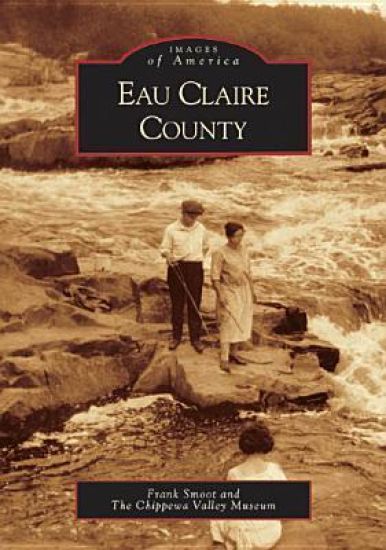
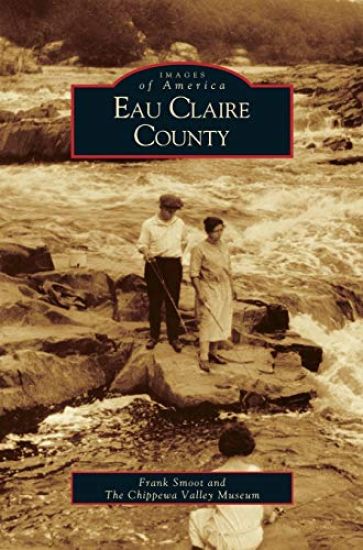
In 1855, Wisconsin's Chippewa County set the wheels in motion to divide itself into three parts. The southernmost section became Eau Claire County. With good forest, good farmland, and the confluence of two scenic rivers, it quickly established its own identity. Eau Claire County followed a classic American path. The county harvested its native natural resources (timber in this case) and started a strong agricultural tradition. In later decades, as its sesquicentennial approached, the county had developed a diversified economy, anchored by health care, retail, higher education, and high-tech manufacturing. But it is the interesting and ever-changing mix of people who built the county, and who have sustained it for 150 years. In 1890, seven of every ten people living in Wisconsin's Chippewa Valley, with Eau Claire County at its heart, were born outside the U.S. or had foreign-born parents. The area still welcomes new arrivals. Through scores of historic photographs, this book captures the hardworking, fun-loving people who have given the county its distinctive place in the American heartland.

The Frankenstein Film Sourcebook
Caroline Picart; Frank Smoot; Jayne Blodgett
Greenwood Press
2001
sidottu
The endurance of the Frankenstein narrative as a modern cinematic myth is undeniable. Its flexibility has produced classic and contemporary horror film-most notably the Universal films of the thirties-but it has also resulted in unusual hybrids, such as musical horror-comedy (The Rocky Horror Picture Show), hyperbolic parody (Flesh for Frankenstein), and science fiction (the Alien and Terminator series). This sourcebook provides a complete guide to all of the story's filmic incarnations-including essential information such as cast, creative personnel, and plot summaries-and also guides the reader to relevant primary texts such as scripts, posters, production histories, and newspaper clippings. Utilizing an approach that is both popular and scholarly, and including spotlight essays that deal with contemporary academic approaches to the subject, The Frankenstein Film Sourcebook reveals the depth of the cinematic range of interpretations of a classic modern myth.Comprehensive in its scope, The Frankenstein Film Sourcebook provides an alphabetical guide to two hundred films that incorporate the Frankenstein narrative. It also delves into both primary and secondary perspectives and includes discussions of aspects of the films, such as their depiction of women, which is relevant to current scholarly critiques.