

Kirjailija
Frederic C Thomas
Kirjat ja teokset yhdessä paikassa: 4 kirjaa, julkaisuja vuosilta 1996-2009, suosituimpien joukossa To the Mouths of the Ganges. Vertaile teosten hintoja ja tarkista saatavuus suomalaisista kirjakaupoista.
Mukana myös kirjoitusasut: Frederic C. Thomas
4 kirjaa
Kirjojen julkaisuhaarukka 1996-2009.
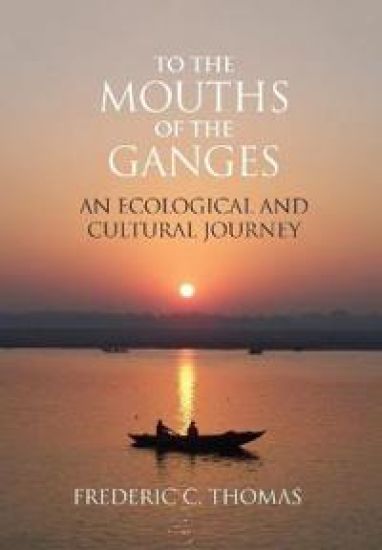
West Bengal and Bangladesh -- nowhere else on earth is so much poverty concentrated and nature so demanding. To the Mouths of the Ganges deals with the ecology and culture of the lower Ganges delta, home to 150 million people whose land is traversed by thousands of miles of rivers and canals; where rivers change course and devour whole villages overnight; where floods submerge millions of acres of cropland at a time; where cyclones create mayhem on a grand scale; and where the human impact of global warming is so visible.Frederic Thomas describes how crop irrigation and flood control have degraded the natural environment; how commercial shrimp production has destroyed wetlands and livelihoods; how landless peasants settle on shifting islands of sediment only to be washed away in hours; how swelling populations have pushed ever deeper into the mangrove forests to face man-eating tigers, crocodiles, and venomous snakes; how peasants contend with landlords whose callousness is truly unbelievable.Despite this, the overall picture is not entirely bleak. Bengalis are extraordinarily resilient and ingenious in adapting to the environment. They love their land and its broad rivers, its culture and its age-old traditions. Hindus and Muslims live side-by-side, sharing shrines and respecting each other's beliefs and customs, although religious offenses can unleash violent fanaticism and atrocities.The author cites historical materials and updates the vivid accounts of early travelers while his observations reveal the practical futility of many of man's efforts to manage river systems and wetlands. Traveling the region by bus, boat, and rickshaw, Dr. Thomas' impressions and anecdotes add an immediacy and a human dimension to a fascinating part of the world that is rarely seen by Western tourists.
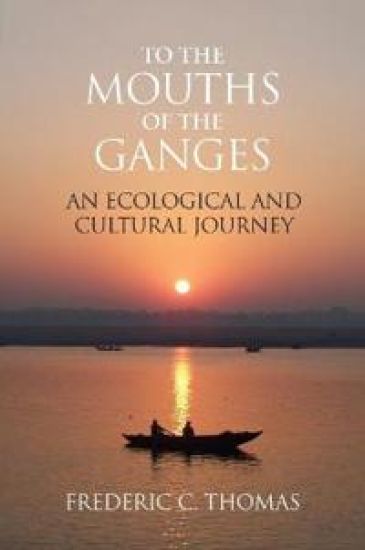
West Bengal and Bangladesh -- nowhere else on earth is so much poverty concentrated and nature so demanding. To the Mouths of the Ganges deals with the ecology and culture of the lower Ganges delta, home to 150 million people whose land is traversed by thousands of miles of rivers and canals; where rivers change course and devour whole villages overnight; where floods submerge millions of acres of cropland at a time; where cyclones create mayhem on a grand scale; and where the human impact of global warming is so visible.Frederic Thomas describes how crop irrigation and flood control have degraded the natural environment; how commercial shrimp production has destroyed wetlands and livelihoods; how landless peasants settle on shifting islands of sediment only to be washed away in hours; how swelling populations have pushed ever deeper into the mangrove forests to face man-eating tigers, crocodiles, and venomous snakes; how peasants contend with landlords whose callousness is truly unbelievable.Despite this, the overall picture is not entirely bleak. Bengalis are extraordinarily resilient and ingenious in adapting to the environment. They love their land and its broad rivers, its culture and its age-old traditions. Hindus and Muslims live side-by-side, sharing shrines and respecting each other's beliefs and customs, although religious offenses can unleash violent fanaticism and atrocities.The author cites historical materials and updates the vivid accounts of early travelers while his observations reveal the practical futility of many of man's efforts to manage river systems and wetlands. Traveling the region by bus, boat, and rickshaw, Dr. Thomas' impressions and anecdotes add an immediacy and a human dimension to a fascinating part of the world that is rarely seen by Western tourists.
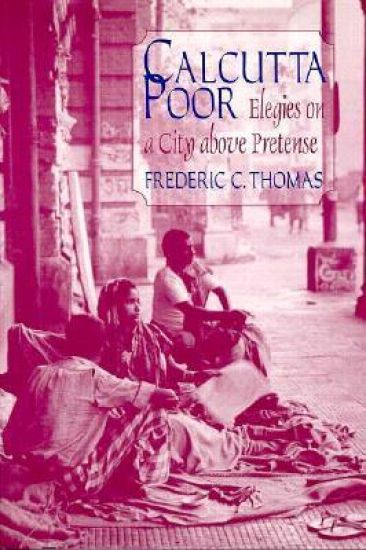
Calcutta is notorious for its pavement dwellers, street children, and scavengers that have become a portrait of the worst sort of human degradation. In this illuminating critique, Thomas investigates the standard solutions - improved housing, increased job creation, and intervention of social services agencies - only to come to the conclusion that such initiatives have little effect on the inherent nature of the problem of poverty. Based on historical and anthropological findings, and the author's visits to the slums of Calcutta, what becomes clear is that even in the midst of great poverty, there is a nobility of character, a vitality of ethnic and cultural ties, and an energy that bring out inventiveness and ingenuity in the lives of the poor. If Calcutta's poverty is not to be an intractable problem, these internal forces must be awakened to generate solutions. Illustrated with stunning photographs, Thomas's reflections provide new insight into an age-old problem.