Kirjojen hintavertailu. Mukana 12 595 353 kirjaa ja 12 kauppaa.

Kirjailija

Friederike Kind-Kovács

Kirjat ja teokset yhdessä paikassa: 3 kirjaa, julkaisuja vuodelta 2022, suosituimpien joukossa The Wireless World. Vertaile teosten hintoja ja tarkista saatavuus suomalaisista kirjakaupoista.

Mukana myös kirjoitusasut: Friederike Kind-Kovacs

3 kirjaa

The Wireless World

The Wireless World

Simon J. Potter; David Clayton; Friederike Kind-Kovacs; Vincent Kuitenbrouwer; Nelson Ribeiro; Rebecca Scales; Andrea Stanton

Oxford University Press
2022
sidottu
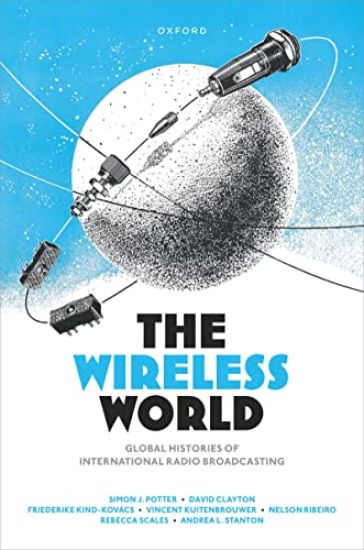
The Wireless World sets out a new research agenda for the history of international broadcasting, and for radio history more generally. It examines global and transnational histories of long-distance wireless broadcasting, combining perspectives from international history, media and cultural history, the history of technology, and sound studies. It is a co-written book, the result of more than five years of collaboration. Bringing together their knowledge of a wide range of different countries, languages, and archives, the co-authors show how broadcasters and states deployed international broadcasting as a tool of international communication and persuasion. They also demonstrate that by paying more attention to audiences, programmes, and soundscapes, historians of international broadcasting can make important contributions to wider debates in social and cultural history. Exploring the idea of a 'wireless world', a globe connected, both in imagination and reality, by radio, The Wireless World sheds new light on the transnational connections created by international broadcasting. Bringing together all periods of international broadcasting within a single analytical frame, including the pioneering days of wireless, the Second World War, the Cold War, and the decades since the fall of the Berlin Wall, the study reveals key continuities and transformations. It looks at how wireless was shaped by internationalist ideas about the use of broadcasting to promote world peace and understanding, at how empires used broadcasting to perpetuate colonialism, and at how anti-colonial movements harnessed radio as a weapon of decolonization.
Budapest's Children

Budapest's Children

Friederike Kind-Kovács

INDIANA UNIVERSITY PRESS
2022
pokkari
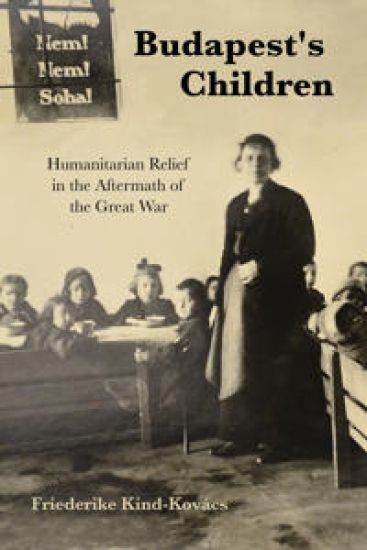
In the aftermath of World War I, international organizations descended upon the destitute children living in the rubble of Budapest and the city became a testing ground for how the West would handle the most vulnerable residents of a former enemy state. Budapest's Children reconstructs how Budapest turned into a laboratory of transnational humanitarian intervention. Friederike Kind-Kovács explores the ways in which migration, hunger, and destitution affected children's lives, casting light on children's particular vulnerability in times of distress. Drawing on extensive archival research, Kind-Kovács reveals how Budapest's children, as iconic victims of the war's aftermath, were used to mobilize humanitarian sentiments and practices throughout Europe and the United States. With this research, Budapest's Children investigates the dynamic interplay between local Hungarian organizations, international humanitarian donors, and the child relief recipients. In tracing transnational relief encounters, Budapest's Children reveals how intertwined postwar internationalism and nationalism were and how child relief reinforced revisionist claims and global inequalities that still reverberate today.
Budapest's Children

Budapest's Children

Friederike Kind-Kovács

INDIANA UNIVERSITY PRESS
2022
sidottu
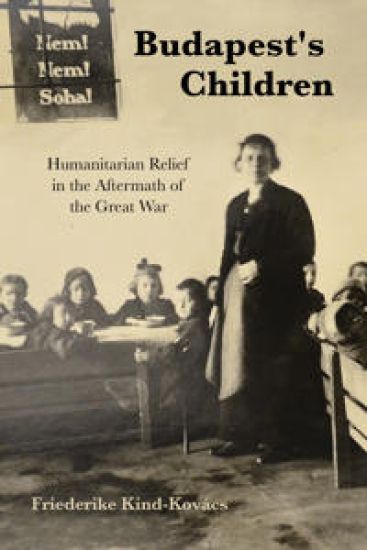
In the aftermath of World War I, international organizations descended upon the destitute children living in the rubble of Budapest and the city became a testing ground for how the West would handle the most vulnerable residents of a former enemy state. Budapest's Children reconstructs how Budapest turned into a laboratory of transnational humanitarian intervention. Friederike Kind-Kovács explores the ways in which migration, hunger, and destitution affected children's lives, casting light on children's particular vulnerability in times of distress. Drawing on extensive archival research, Kind-Kovács reveals how Budapest's children, as iconic victims of the war's aftermath, were used to mobilize humanitarian sentiments and practices throughout Europe and the United States. With this research, Budapest's Children investigates the dynamic interplay between local Hungarian organizations, international humanitarian donors, and the child relief recipients. In tracing transnational relief encounters, Budapest's Children reveals how intertwined postwar internationalism and nationalism were and how child relief reinforced revisionist claims and global inequalities that still reverberate today.