Kirjojen hintavertailu. Mukana 12 378 538 kirjaa ja 12 kauppaa.

Kirjailija

Gabriel N. Rosenberg

Kirjat ja teokset yhdessä paikassa: 2 kirjaa, julkaisuja vuosilta 2015-2026, suosituimpien joukossa Feed the People!: Why Industrial Food Is Good and How to Make It Even Better. Vertaile teosten hintoja ja tarkista saatavuus suomalaisista kirjakaupoista.

2 kirjaa

Kirjojen julkaisuhaarukka 2015-2026.

Feed the People!: Why Industrial Food Is Good and How to Make It Even Better
Why Wendell Berry, Michael Pollan, and other slow-food-loving locavores are wrong about food in America--and why Waffle House can save us all The food industry is a major driver of climate change, pollution, obesity, animal suffering, and workplace exploitation. Many food writers blame the industrial food system and tell individual eaters to fix these problems by buying local, artisanal food from small farmers--a solution most Americans can't afford. But, as food policy experts Gabriel Rosenberg and Jan Dutkiewicz remind us, modern technology has made food more affordable, abundant, varied, and tastier than at any other time in history. In Feed the People , they argue that modern food pleasures like Waffle House waffles, and the industrial systems that make them possible, are actually good. With smart technology and commonsense policies, we can make them even better. Rosenberg and Dutkiewicz have traveled around the United States to find the people changing the way we make and eat food, from the innovators behind plant-based burgers to the cooks serving free school lunches to the labor organizers unionizing fast food joints. They show that building a food system that works for everyone will take more than just eating your vegetables. Feed the People invites you to sit at the table and join this delicious movement.
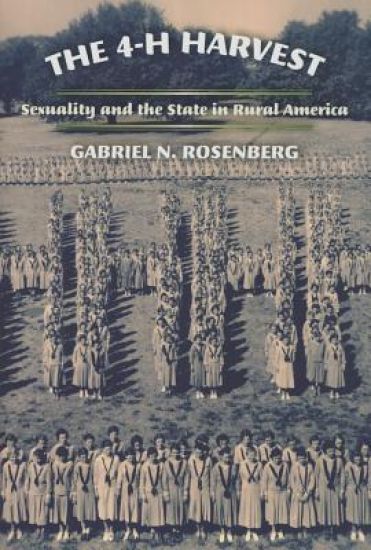
The 4-H Harvest

The 4-H Harvest

Gabriel N. Rosenberg

University of Pennsylvania Press
2015
sidottu
4-H, the iconic rural youth program run by the U.S. Department of Agriculture, has enrolled more than 70 million Americans over the last century. As the first comprehensive history of the organization, The 4-H Harvest tracks 4-H from its origins in turn-of-the-century agricultural modernization efforts, through its role in the administration of federal programs during the New Deal and World War II, to its status as an instrument of international development in Cold War battlegrounds like Vietnam and Latin America. In domestic and global settings, 4-H's advocates dreamed of transforming rural economies, communities, and families. Organizers believed the clubs would bypass backward patriarchs reluctant to embrace modern farming techniques. In their place, 4-H would cultivate efficient, capital-intensive farms and convince rural people to trust federal expertise. The modern 4-H farm also featured gender-appropriate divisions of labor and produced healthy, robust children. To retain the economic potential of the "best" youth, clubs insinuated state agents at the heart of rural family life. By midcentury, the vision of healthy 4-H'ers on family farms advertised the attractiveness of the emerging agribusiness economy. With rigorous archival research, Gabriel N. Rosenberg provocatively argues that public acceptance of the political economy of agribusiness hinged on federal efforts to establish a modern rural society through effective farming technology and techniques as well as through carefully managed gender roles, procreation, and sexuality. The 4-H Harvest shows how 4-H, like the countryside it often symbolizes, is the product of the modernist ambition to efficiently govern rural economies, landscapes, and populations.