Kirjojen hintavertailu. Mukana 12 533 747 kirjaa ja 12 kauppaa.

Kirjailija

Gabrielle Lynch

Kirjat ja teokset yhdessä paikassa: 6 kirjaa, julkaisuja vuosilta 2011-2021, suosituimpien joukossa Performances of Injustice. Vertaile teosten hintoja ja tarkista saatavuus suomalaisista kirjakaupoista.

6 kirjaa

Kirjojen julkaisuhaarukka 2011-2021.

The Moral Economy of Elections in Africa

The Moral Economy of Elections in Africa

Nic Cheeseman; Gabrielle Lynch; Justin Willis

Cambridge University Press
2021
sidottu
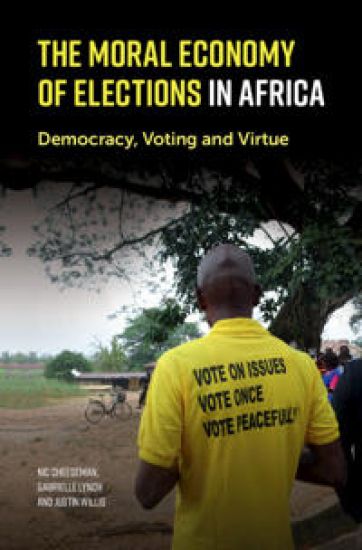
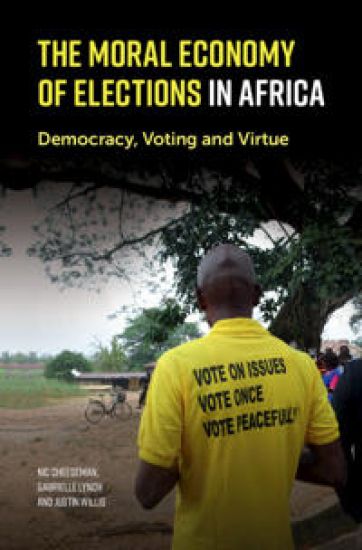
Do elections turn people into democratic citizens? Elections have long been seen as a way to foster democracy, development and security in Africa, with many hoping that the secret ballot would transform states. Adopting a new approach that focusses on the moral economy of elections, Nic Cheeseman, Gabrielle Lynch and Justin Willis show how elections are shaped by competing visions of what it means to be a good leader, bureaucrat or citizen. Using a mixed-methods study of elections in Ghana, Kenya and Uganda, they explore moral claims made by officials, politicians, civil society, international observers and voters themselves. This radical new lens reveals that elections are the site of intense moral contestation, which helps to explain why there is such vigourous participation in processes that often seem flawed. Demonstrating the impact of these debates on six decades of electoral practice, they explain why the behaviour of those involved so frequently transgresses national law and international norms, as well as the ways in which such transgressions are evaluated and critiqued – so that despite the purported significance of 'vote-buying', the candidates that spend the most do not always win.
The Moral Economy of Elections in Africa

The Moral Economy of Elections in Africa

Nic Cheeseman; Gabrielle Lynch; Justin Willis

Cambridge University Press
2021
pokkari
Do elections turn people into democratic citizens? Elections have long been seen as a way to foster democracy, development and security in Africa, with many hoping that the secret ballot would transform states. Adopting a new approach that focusses on the moral economy of elections, Nic Cheeseman, Gabrielle Lynch and Justin Willis show how elections are shaped by competing visions of what it means to be a good leader, bureaucrat or citizen. Using a mixed-methods study of elections in Ghana, Kenya and Uganda, they explore moral claims made by officials, politicians, civil society, international observers and voters themselves. This radical new lens reveals that elections are the site of intense moral contestation, which helps to explain why there is such vigourous participation in processes that often seem flawed. Demonstrating the impact of these debates on six decades of electoral practice, they explain why the behaviour of those involved so frequently transgresses national law and international norms, as well as the ways in which such transgressions are evaluated and critiqued – so that despite the purported significance of 'vote-buying', the candidates that spend the most do not always win.
Performances of Injustice

Performances of Injustice

Gabrielle Lynch

Cambridge University Press
2018
pokkari
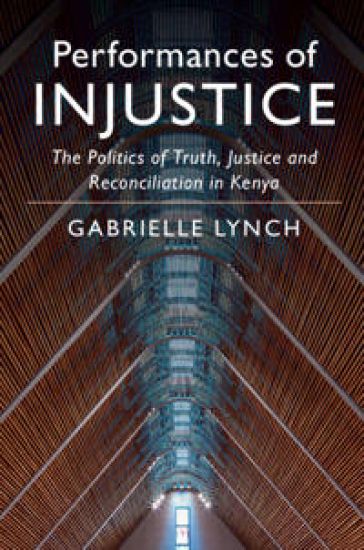
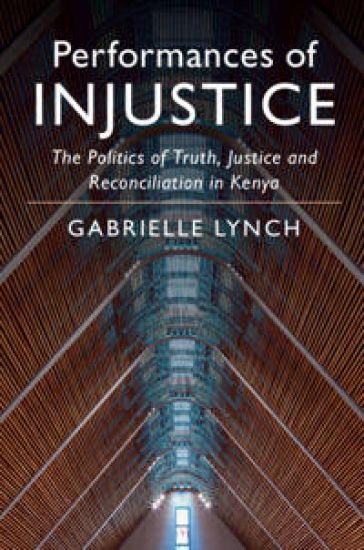
Following unprecedented violence in 2007/8, Kenya introduced two classic transitional justice mechanisms: a truth commission and international criminal proceedings. Both are widely believed to have failed, but why? And what do their performances say about contemporary Kenya; the ways in which violent pasts persist; and the shortcomings of transitional justice? Using the lens of performance, this book analyses how transitional justice efforts are incapable of dealing with how unjust and violent pasts actually persist. Gabrielle Lynch reveals the story of an ongoing political struggle requiring substantive socio-economic and political change that transitional justice mechanisms can theoretically recommend, and which they can sometimes help to initiate and inform, but which they cannot implement or create, and can sometimes unintentionally help to reinforce.
Performances of Injustice

Performances of Injustice

Gabrielle Lynch

Cambridge University Press
2018
sidottu
Following unprecedented violence in 2007/8, Kenya introduced two classic transitional justice mechanisms: a truth commission and international criminal proceedings. Both are widely believed to have failed, but why? And what do their performances say about contemporary Kenya; the ways in which violent pasts persist; and the shortcomings of transitional justice? Using the lens of performance, this book analyses how transitional justice efforts are incapable of dealing with how unjust and violent pasts actually persist. Gabrielle Lynch reveals the story of an ongoing political struggle requiring substantive socio-economic and political change that transitional justice mechanisms can theoretically recommend, and which they can sometimes help to initiate and inform, but which they cannot implement or create, and can sometimes unintentionally help to reinforce.
I Say to You

I Say to You

Gabrielle Lynch

University of Chicago Press
2011
nidottu
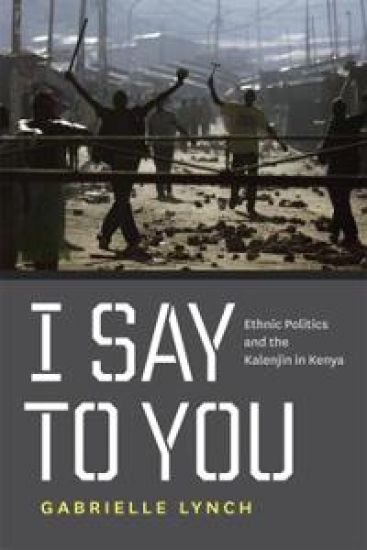
In 2007 a disputed election in Kenya erupted into a two-month political crisis that led to the deaths of more than a thousand people and the displacement of almost seven hundred thousand. Much of the violence fell along ethnic lines, the principal perpetrators of which were the Kalenjin, who lashed out at other communities in the Rift Valley. What makes this episode remarkable compared to many other instances of ethnic violence is that the Kalenjin community is a recent construct: the group has only existed since the mid-twentieth century. Drawing on rich archival research and vivid oral testimony, "I Say to You" is a timely analysis of the creation, development, political relevance, and popular appeal of the Kalenjin identity as well as its violent potential. Uncovering the Kalenjin's roots, Gabrielle Lynch examines the ways in which ethnic groups are socially constructed and renegotiated over time. She demonstrates how historical narratives of collective achievement, migration, injustice, and persecution constantly evolve. As a consequence, ethnic identities help politicians mobilize support and help ordinary people lay claim to space, power, and wealth. This kind of ethnic politics, Lynch reveals, encourages a sense of ethnic difference and competition, which can spiral into violent confrontation and retribution.
I Say to You

I Say to You

Gabrielle Lynch

University of Chicago Press
2011
sidottu
In 2007 a disputed election in Kenya erupted into a two-month political crisis that led to the deaths of more than a thousand people and the displacement of almost seven hundred thousand. Much of the violence fell along ethnic lines, the principal perpetrators of which were the Kalenjin, who lashed out at other communities in the Rift Valley. What makes this episode remarkable compared to many other instances of ethnic violence is that the Kalenjin community is a recent construct: the group has only existed since the mid-twentieth century. Drawing on rich archival research and vivid oral testimony, "I Say to You" is a timely analysis of the creation, development, political relevance, and popular appeal of the Kalenjin identity as well as its violent potential. Uncovering the Kalenjin's roots, Gabrielle Lynch examines the ways in which ethnic groups are socially constructed and renegotiated over time. She demonstrates how historical narratives of collective achievement, migration, injustice, and persecution constantly evolve. As a consequence, ethnic identities help politicians mobilize support and help ordinary people lay claim to space, power, and wealth. This kind of ethnic politics, Lynch reveals, encourages a sense of ethnic difference and competition, which can spiral into violent confrontation and retribution.